Melbourne homeowners are increasingly looking for heating solutions that provide reliable warmth without relying entirely on traditional gas or electric resistance heating. Heat pumps are one option gaining attention because they can transfer heat rather than generate it directly, potentially delivering efficient heating and cooling from the same system.
For homeowners researching Daikin heat pumps Melbourne, understanding how the technology works, what installation involves, and whether it suits your property can help you make a more informed decision.
What Is a Daikin Heat Pump?
A heat pump uses refrigeration technology to transfer heat between the air inside and outside a property.
In heating mode, the system extracts available heat from outdoor air and transfers it indoors. In cooling mode, the process is reversed, allowing the system to remove heat from the home.
Daikin offers several types of heat pump technology, including air-source systems and reverse-cycle heating and cooling solutions. The right option depends on your home's size, insulation, existing heating system, hot-water requirements and energy goals.
For Melbourne properties, heat pumps can be particularly useful because they can provide heating during winter while also offering cooling during warmer periods.
How Do Heat Pumps Work in Melbourne's Climate?
A common question is whether heat pumps can work effectively during Melbourne winters.
The answer is generally yes. Hydronic heat pumps are designed to extract heat from outdoor air even when temperatures are relatively low. However, performance and efficiency can vary according to outdoor temperature, system capacity, installation quality and the home's thermal efficiency.
Melbourne's climate has relatively mild winters compared with some colder regions, although temperatures can fall significantly overnight. Choosing a correctly sized system is therefore important.
A professional installer should assess factors such as:
- Home size and layout
- Insulation levels
- Window performance
- Ceiling height
- Number of occupants
- Existing heating infrastructure
- Desired indoor temperature
- Local climate conditions
Types of Daikin Heat Pump Systems
The term "heat pump" covers several different technologies.
Air-to-Air Heat Pumps
Air-to-air heat pumps transfer heat directly between outdoor and indoor air. Reverse-cycle air conditioners are a familiar example.
These systems can provide both heating and cooling and are available in split, multi-split and ducted configurations.
Air-to-Water Heat Pumps
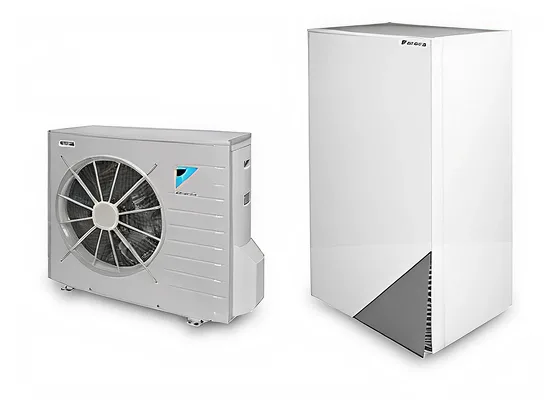
Air-to-water heat pumps transfer heat from outdoor air into water. The heated water can then be circulated through a hydronic heating system.
This can make air-to-water technology particularly relevant to homeowners researching hydronic heating and heat pumps Melbourne solutions.
Heat Pump Hot Water Systems
Heat pump technology can also be used for domestic hot water. Instead of directly heating water using a conventional electric element, the system uses refrigeration technology to transfer heat into the water.
The appropriate Daikin solution will depend on whether your priority is space heating, cooling, hot water or a combination of these requirements.
Why Consider Daikin Heat Pumps in Melbourne?
There are several reasons homeowners consider heat pump technology.
Heating and Cooling in One System
Many heat pump systems can provide both heating and cooling. This can reduce the need for separate systems for different seasons.
Potential Energy Efficiency
Heat pumps transfer heat rather than creating all of the heat through electrical resistance. This can allow them to deliver more heating energy than the electrical energy they consume, although actual efficiency varies depending on operating conditions and equipment.
Lower Reliance on Gas
For households looking to reduce their dependence on gas appliances, an electric heat pump can be part of a broader transition toward electrification.
Integration With Solar
A heat pump operates using electricity, which means homeowners with solar photovoltaic panels may be able to use some of their generated electricity to operate the system.
The financial benefit depends on factors including solar generation, electricity tariffs, household consumption and when the heat pump operates.
Are Daikin Heat Pumps Suitable for Older Melbourne Homes?
Heat pumps can be installed in many existing properties, but older homes may require additional consideration.
Older Melbourne houses can have less insulation, draughty windows or inefficient building envelopes. Installing a high-performance heating system without addressing these issues may not deliver the expected level of comfort or efficiency.
Before choosing a system, consider improving:
- Roof and ceiling insulation
- Wall insulation where practical
- Window sealing
- Draught reduction
- Door seals
- Zoning and thermostat controls
Improving the building envelope can reduce heat loss and may allow the heating system to operate more efficiently.
Daikin Heat Pumps and Hydronic Heating
If your home already has hydronic heating, you may be interested in whether a heat pump can replace or supplement an existing boiler or heat source.
Air-to-water heat pump technology can potentially work with hydronic systems because both rely on heated water being circulated through radiators, underfloor heating or other emitters.
However, compatibility depends on the existing system's design and operating temperature requirements.
A professional assessment should consider:
- Existing pipework
- Radiator size
- Required water temperature
- Heat loss from the building
- Existing boiler configuration
- System controls
- Heat pump capacity
This is especially important because some older hydronic systems were designed around higher water temperatures than some modern heat pumps typically provide.
How Much Do Daikin Heat Pumps Cost in Melbourne?
The total cost of a heat pump installation varies considerably.
Factors affecting the price can include:
- System capacity
- Type of heat pump
- Property size
- Installation complexity
- Existing ductwork or hydronic infrastructure
- Electrical requirements
- Number of indoor units
- Hot-water requirements
- Required modifications
Rather than comparing systems based solely on purchase price, homeowners should consider the total cost of ownership.
This includes installation, electricity consumption, maintenance, expected operating life and potential energy savings.
Government rebates or incentives may also be available depending on the system, property and current Victorian or Australian programs. Eligibility and incentive amounts can change, so homeowners should verify current requirements before making a purchasing decision.
What Size Heat Pump Do You Need?
Choosing the correct capacity is one of the most important parts of a heat pump installation.
An undersized system may struggle to maintain comfortable temperatures during colder weather. An oversized system may cost more than necessary and may not operate as efficiently as expected under all conditions.
A professional installer can perform a heating and cooling load assessment to determine the appropriate capacity.
Avoid choosing a system based solely on floor area. Two homes with identical floor areas can have very different heating requirements because of insulation, orientation, glazing, ceiling height and construction.
How Often Do Daikin Heat Pumps Need Maintenance?
Regular maintenance helps maintain reliable performance.
Maintenance requirements depend on the type of system, usage and manufacturer recommendations. For air-conditioning-style heat pumps, homeowners should keep filters clean and ensure outdoor units remain free from excessive debris.
A professional service can check components such as:
- Filters and airflow
- Refrigerant system
- Electrical connections
- Outdoor coil
- Indoor coil
- Drainage
- Controls
- General operating performance
For larger or more complex systems, professional servicing should follow the manufacturer's recommended schedule.
What Should You Consider Before Installation?
Before investing in Daikin heat pumps Melbourne, consider the following questions:
What is your primary goal?
Are you replacing gas heating, adding cooling, upgrading an existing hydronic system or improving overall energy efficiency?
How well insulated is your home?
Improving insulation may reduce heating demand.
What type of system suits your property?
Split, multi-split, ducted and air-to-water systems have different applications.
What is the available electrical capacity?
Some installations may require electrical upgrades.
What are your running costs likely to be?
Consider electricity tariffs, solar generation and expected usage.
Who will install the system?
Professional installation is essential for safe, reliable operation and optimal performance.
Frequently Asked Questions
Are Daikin heat pumps good for Melbourne?
Heat pumps can be well suited to Melbourne's climate because they can provide heating during winter and, depending on the system, cooling during summer. System selection and installation quality are important.
Can a heat pump replace gas heating?
In some homes, yes. The suitability depends on the property's heating requirements, existing infrastructure and the type and capacity of the proposed heat pump.
Can heat pumps work with hydronic heating?
Some air-to-water heat pumps can be integrated with hydronic heating systems. Compatibility should be assessed by a qualified professional before installation.
Are heat pumps expensive to run?
Running costs depend on system efficiency, outdoor conditions, electricity prices, home insulation, thermostat settings and usage. A properly selected and installed system can be highly efficient compared with direct electric resistance heating.
Is a Daikin Heat Pump Right for Your Melbourne Home?
For homeowners considering a modern alternative to conventional heating, heat pump technology offers an option that can combine heating and cooling while supporting household electrification.
However, there is no single solution that is ideal for every Melbourne property. The best system depends on your home's construction, insulation, existing heating infrastructure, energy use and comfort requirements.
If you are researching Daikin heat pumps Melbourne, start with a professional assessment rather than selecting equipment based only on price or advertised capacity. A correctly sized and installed system can provide comfortable heating, efficient operation and reliable year-round performance for many Melbourne homes.