Cardiac arrest is a medical emergency where every second matters. Without CPR, survival chances can drop very quickly within just a few minutes. This is why many workplaces are now focusing more on safety training and emergency readiness.
A question that often comes up is whether all companies in Texas need CPR-certified employees. The answer is not the same for every workplace. It depends on job roles, industry rules, and the level of risk in the workplace.
In many cases, CPR certification is not mandatory, but companies still choose training to improve response during emergencies. To stay prepared, many businesses opt for corporate CPR training Fort Worth sessions to help employees learn simple and practical life-saving skills.
Is CPR Certification Mandatory for Companies in Texas?
In Texas, CPR certification is not required for all companies. There is no single rule that applies to every workplace. However, this does not mean it is never required. Some industries do require CPR-certified staff based on state rules, licensing standards, or workplace safety policies. These include:
- Lifeguards
- Childcare centers (state-licensed facilities)
- Healthcare and medical jobs
- Certain emergency response roles
- High-risk construction or industrial jobs
In these cases, CPR training is not optional. It is part of job safety requirements.
Even in offices, shops, and retail spaces where CPR is not required, many employers still choose to train staff. The reason is simple. Medical emergencies like cardiac arrest or choking can happen anywhere, at any time.
Why CPR Training Matters at Work
CPR helps keep blood and oxygen moving when a person’s heart stops. This simple action can help maintain life until emergency responders arrive.
In many situations, emergency teams may take several minutes to reach the scene. Those first few minutes are very important.
Trained employees can:
- Act quickly during medical emergencies
- Use an AED if one is available
- Help reduce panic in the workplace
- Support coworkers until medical help arrives
Because of this, many companies now include CPR training as part of workplace safety planning.
Corporate CPR Training Fort Worth for Workplace Safety
Many businesses use corporate CPR training Fort Worth programs to train employees together in a structured way. These sessions are designed for groups, which makes training easier for companies of all sizes.
Corporate CPR training usually includes:
- Adult, child, and infant CPR
- Choking response steps
- AED training (when included in the course)
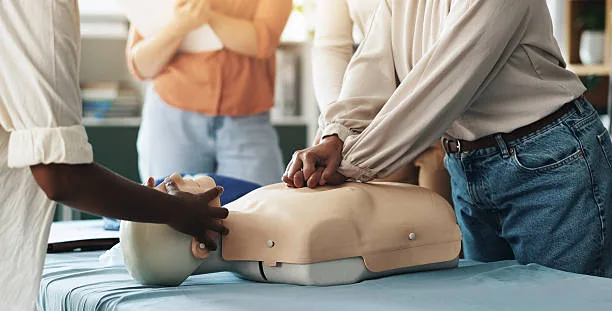
- Hands-on practice using training manikins
- Real-life emergency response practice
Employees do not just watch or listen. They practice each step. This helps them feel more confident during real emergencies. Some providers also offer on-site training at workplaces. This allows employees to learn in a familiar environment and reduces disruption to daily work.
Reasons Companies Go for Nearby CPR Training
Many employers search for “corporate CPR training near me” when planning safety programs. Local training options are often preferred because they are easy to schedule and more flexible.
When choosing a CPR training program, companies usually look for:
- Certification from trusted bodies
- Hands-on training sessions
- Group training options
- On-site or classroom flexibility
- Clear renewal requirements
It is important to choose training that includes practical skill practice. CPR is not just theory. It is a physical skill that must be learned through practice.
What Happens During Corporate CPR Training?
Corporate CPR training is simple and focused on real-life action. The goal is to prepare employees for emergency situations.
Employees learn how to:
- Check if a person is responsive
- Call emergency services the right way
- Perform chest compressions correctly
- Give rescue breaths if required
- Use an AED if included in the course
- Respond to choking emergencies
Instructors guide each step clearly. Employees repeat the actions multiple times so they can remember them under pressure. This practice helps build muscle memory and improves response speed during real emergencies.
AED Training and CPR Certification Details
AED training is often included in CPR courses, but not every course includes it automatically. Some basic classes focus only on chest compressions and rescue breathing, while others include AED use and more practical exercises.
Many workplaces prefer training that includes both CPR and AED skills. This helps employees respond more effectively in cardiac emergencies.
Most CPR certifications remain valid for about two years. After that, renewal is needed to keep skills updated. Employers usually prefer employees who have recent training and hands-on practice. This ensures better readiness during emergencies.
Benefits for Companies in Texas
CPR training offers many benefits for workplaces of all sizes. It helps create a safer and more prepared work environment.
- Faster emergency response: Employees can act immediately during cardiac arrest or choking before help arrives.
- Better employee confidence: Training helps staff stay calm and avoid confusion during stressful moments.
- Safer work environment: Regular CPR awareness reduces panic and improves overall workplace safety.
- Improved team coordination: Employees learn how to work together during urgent situations, which improves response time.
- Stronger safety compliance in regulated industries: Trained staff help companies meet safety expectations and internal policies.
Even in low-risk workplaces, CPR training can make a real difference during unexpected emergencies.
Ending Note
Companies in Texas are not always required to have CPR certified staff. However, some industries do require it based on job roles and safety rules. Even when it is not mandatory, many workplaces still choose CPR training to improve safety and response during emergencies.
Programs like corporate CPR training Fort Worth and other local options help employees learn simple, hands-on life-saving skills. These sessions focus on real actions, so staff can respond quickly and confidently when a medical emergency happens at work or in public spaces.