
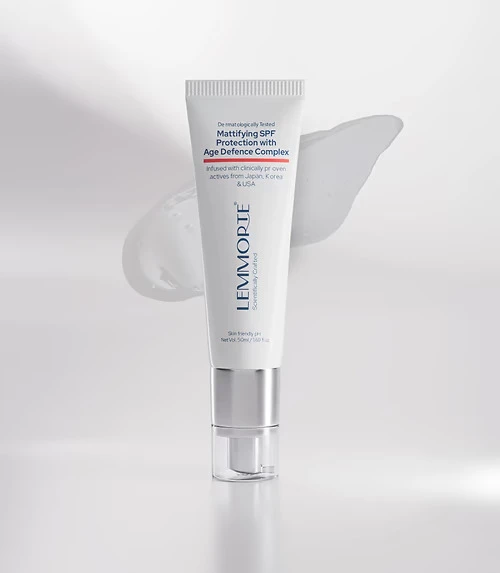
Protecting your skin from sun damage is not optional, especially if you struggle with breakouts or sensitivity. Using the right acne sunscreen can prevent flare-ups, control excess oil, and protect your skin barrier without clogging pores. However, many people with acne-prone or sensitive skin avoid sunscreen due to fear of breakouts, irritation, or greasiness. The truth is that choosing the correct formulation can actually improve your skin’s health while shielding it from harmful UV rays.
How Does Sun Exposure Affect Acne-Prone Skin?
Sun exposure may seem helpful at first because it temporarily dries out pimples, but over time it causes inflammation, dehydration, and increased oil production. This can lead to more breakouts, darker acne marks, and premature ageing. UV rays also worsen redness and sensitivity, making existing acne look more prominent.
A well-formulated sunscreen helps prevent:
- Post-acne pigmentation and dark spots
- Increased oil secretion caused by dehydration
- Skin barrier damage that leads to frequent breakouts
- Premature fine lines and uneven skin texture
What Should You Look for in a Sunscreen for Oily Acne-Prone Skin?
Choosing the right sunscreen for oily acne-prone skin requires attention to texture and ingredients. Not all sunscreens are designed to work with excess oil or active breakouts.
Which Texture Works Best for Acne-Prone Skin?
Lightweight gel, fluid, or matte-finish sunscreens are ideal. These absorb quickly, feel comfortable, and do not leave a greasy layer that can trap dirt and bacteria.
Which Ingredients Help Prevent Breakouts?
Look for formulas that include:
- Oil-regulating and pore-clearing actives
- Soothing agents that reduce redness and irritation
- Antioxidants that protect against environmental stress
- Hydrating ingredients that strengthen the skin barrier without heaviness
Avoid heavy oils, thick waxes, and pore-clogging ingredients that can worsen acne.
Why Is Sunscreen Important for Sensitive Skin?
Sensitive skin reacts easily to heat, sun exposure, and harsh ingredients. Without proper sun protection, sensitivity increases, leading to redness, itching, and compromised skin health. The best sunscreen for sensitive skin should provide protection while calming the skin rather than triggering reactions.
A good sunscreen for sensitive skin should:
- Be free from harsh irritants
- Offer broad-spectrum protection
- Support the skin barrier
- Feel lightweight and breathable
Consistent sunscreen use helps reduce long-term sensitivity and prevents inflammation that can worsen acne.
How Does Breakout Control Sunscreen Support Acne-Prone Skin?
Breakout-focused sunscreens are designed to do more than protect against UV rays. They help manage oil, reduce clogged pores, and soothe active acne while preventing sun-induced pigmentation.
A breakout control sunscreen typically:
- Helps regulate excess sebum
- Minimizes pore congestion
- Calms redness and irritation
- Protects against UVA and UVB damage
- Supports skin recovery and clarity
This makes it an excellent daily option for those dealing with frequent breakouts or post-acne marks.
Can Mattifying Sunscreen Help with Shine and Age Defence?
For those concerned about both oiliness and early signs of ageing, mattifying sunscreens offer a balanced solution. These formulas control shine while delivering sun protection and skin-defending benefits.
Mattifying sunscreens are beneficial because they:
- Reduce midday greasiness
- Create a smooth base for makeup
- Help protect against premature ageing
- Keep the skin looking fresh and balanced
This type of sunscreen works especially well for combination and oily skin types.
How Should Sunscreen Be Used in an Acne-Care Routine?
To get the best results from your sunscreen:
- Apply it every morning as the final step of skincare
- Use a generous amount for full coverage
- Reapply every two to three hours if exposed to sunlight
- Choose formulas that layer well under makeup
Daily and consistent use ensures protection against sun damage while supporting healthier-looking skin.
What Makes the Best Sunscreen for Sensitive and Acne-Prone Skin?
The ideal sunscreen for acne-prone and sensitive skin combines protection with care. It should shield the skin from harmful UV rays while maintaining balance, preventing breakouts, and reducing irritation.
The best choice will:
- Feel lightweight and non-greasy
- Be non-comedogenic
- Calm and protect sensitive skin
- Support long-term skin health
Final Thoughts: Is the Right Sunscreen the Key to Clearer Skin?
Yes, the best sunscreen for face can make a noticeable difference in your skincare journey. By choosing a formula designed for acne-prone, oily, and sensitive skin, you protect your skin from sun damage while actively supporting clarity, comfort, and resilience. Daily sunscreen use is not just about preventing sunburn it is a crucial step toward healthier, clearer, and more balanced skin.