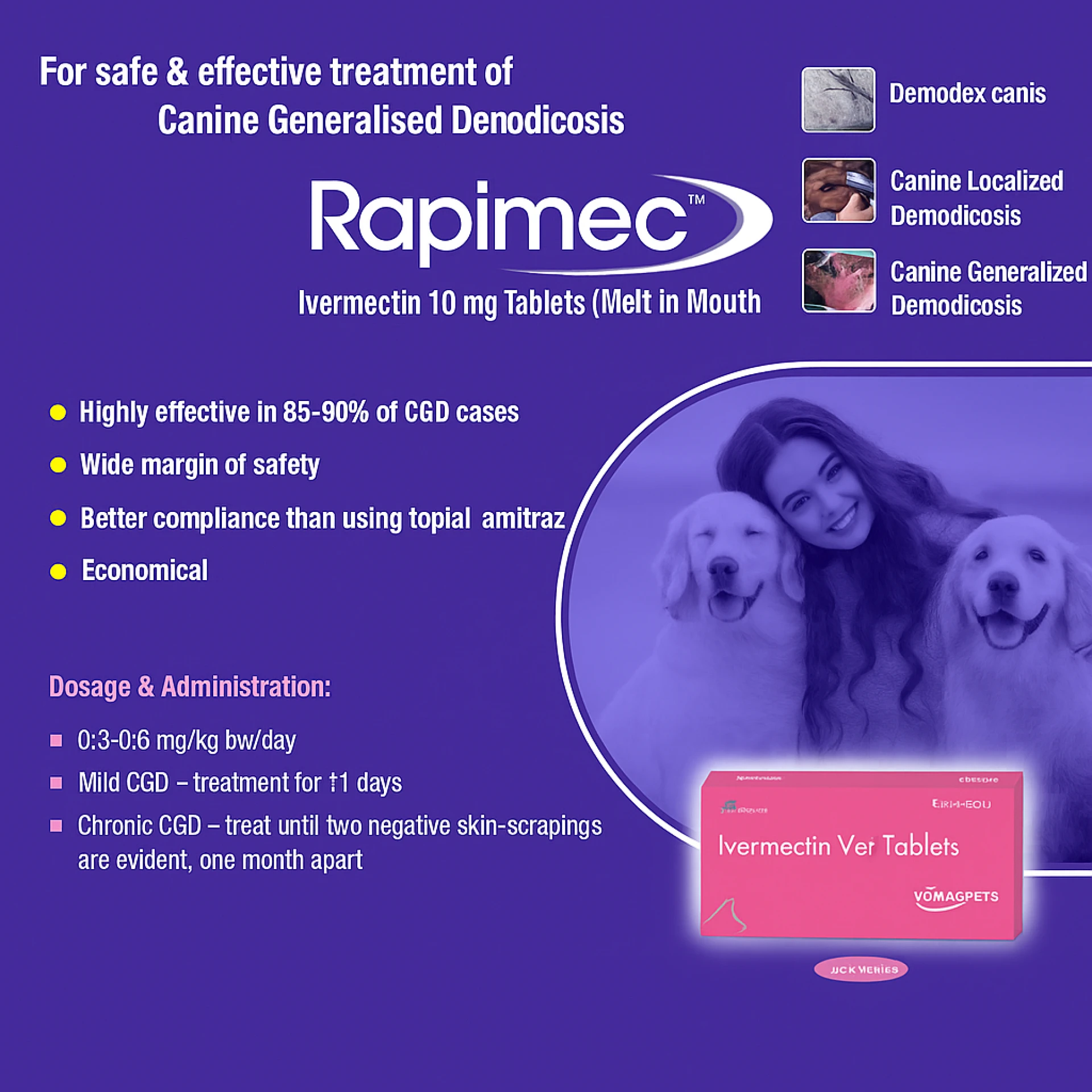
Among the arsenal of antiparasitic drugs available today, Ivermectin 10 mg tablets for dogs remain one of the most trusted solutions for controlling a wide range of parasites. Ivermectin, derived from the avermectin family, has been a game changer in veterinary medicine since its discovery in the 1980s. This macrocyclic lactone has potent antiparasitic properties and is used across multiple species, including humans, cattle, and companion animals like dogs.
What Is Ivermectin?
Ivermectin is a broad-spectrum antiparasitic agent primarily used to treat internal and external parasites. It works by binding to glutamate-gated chloride channels in the nerve and muscle cells of invertebrates, leading to increased permeability to chloride ions. Ivermectin 10 mg tablets for dogs are formulated specifically for oral administration and are especially useful in medium to large breeds where higher doses are required.
Indications of Ivermectin 10 mg Tablets in Dogs
Ivermectin is indicated for the prevention, treatment, and control of the following parasitic infestations in dogs:
1. Heartworm Disease (Dirofilaria immitis)
- Primary Indication: Monthly use of Ivermectin is approved for heartworm prevention.
- It kills the larval stages (L3 and L4) of Dirofilaria immitis before they mature into adult worms.
- Important: Ivermectin does NOT kill adult heartworms. In heartworm-positive dogs, alternative treatment is required.
2. Gastrointestinal Nematodes
- Roundworms (Toxocara canis, Toxascaris leonina)
- Hookworms (Ancylostoma caninum, Uncinaria stenocephala)
- Whipworms (off-label)
- Ivermectin is effective in clearing larval and adult stages of many nematodes in the intestines.
3. External Parasites
- Mites (e.g., Sarcoptes scabiei, Demodex canis)
- – Highly effective in treating sarcoptic mange and demodicosis, especially when administered as part of a longer course.
- Ear Mites (Otodectes cynotis)
- – Often used off-label in ear mite infestations.
- Lice (Trichodectes canis, Linognathus setosus)
- – Kills adult lice and helps prevent reinfestation.
4. Off-label Uses
Ivermectin is sometimes used off-label (under veterinary supervision) for:
- Flea control (less common due to newer, targeted agents)
- Cutaneous larva migrans
- Microfilarial clearing post-adulticide therapy
Mechanism of Action
- Increased chloride ion permeability
- Hyperpolarization of the cell membrane
- Paralysis and death of parasites
Precautions: Ivermectin 10 mg Tablets for Dogs
When used correctly under veterinary supervision, Ivermectin 10 mg tablets are generally effective for dogs. However, due to the medication’s powerful mechanism of action, it’s essential to observe strict measures to minimize the risk of adverse effects and toxicity.
1. Breed-Specific Sensitivity (MDR1 Gene Mutation)
Some dog breeds have a genetic mutation in the MDR1 (Multidrug Resistance 1) gene, which can make them highly sensitive to Ivermectin. In these dogs, the drug can cross the blood-brain barrier and lead to neurotoxicity, even at low doses.
At-risk breeds include:
- Collies
- Shetland Sheepdogs (Shelties)
- Australian Shepherds
- Old English Sheepdogs
- Border Collies
- Long-haired Whippets
- Silken Windhounds
Precaution:
- Genetic testing for MDR1 mutation is highly recommended before administering Ivermectin to these breeds.
- If positive, lower doses or alternative medications should be used.
2. Avoid Use in Dogs with Active Heartworm Infections
While Ivermectin is used for heartworm prevention, it does not kill adult heartworms. In dogs with an existing heartworm infection, administering Ivermectin can lead to a severe allergic reaction due to the rapid death of microfilariae.
Precaution:
- Perform a heartworm test before starting Ivermectin, especially if the dog has missed a dose or never been on prevention.
3. Drug Interactions
Ivermectin may interact with other medications, potentially leading to increased toxicity or reduced effectiveness.
Drugs to avoid or use with caution:
- Spinosad (commonly used in flea preventatives like Comfortis)
- Ketoconazole
- Cyclosporine
- Macrolide antibiotics (e.g., erythromycin)
- Other macrocyclic lactones (e.g., moxidectin)
Precaution:
- Always inform your vet about all medications and supplements your dog is taking before starting Ivermectin.
4. Age, Weight, and Health Considerations
- Avoid use in dogs under 2 kg unless prescribed.
- Dogs with liver, kidney, or neurological disorders may have reduced tolerance to Ivermectin.
Precaution:
- Use with extreme caution in elderly dogs or those with underlying health conditions.
- Conduct baseline bloodwork before beginning long-term treatment.
5. Correct Dosage is Critical
Overdosing can lead to severe neurotoxicity.
Precaution:
- Never estimate or guess the dosage.
- Use accurate body weight measurements to calculate the dose.
- Do not split tablets without guidance — consider using appropriately dosed formulations.
6. Observe After Administration
Monitor your dog for several hours after giving Ivermectin, especially during the first few doses or after dose increases.
Watch for signs of:
- Weakness
- Tremors
- Dilated pupils
- Vomiting
- Disorientation
- Unsteady gait
- Seizures
7. Avoid Use in Cats
Though Ivermectin is used in cats under veterinary prescription, dog-formulated 10 mg tablets are not appropriate for feline use and could result in overdose due to their small size and different metabolism.
8. Veterinary Monitoring is Essential
Routine follow-ups and periodic evaluations should be part of long-term Ivermectin use — especially if used off-label for mange, demodicosis, or intestinal worms.
Veterinary Monitoring Includes:
- Fecal tests (for internal parasites)
- Heartworm antigen tests
- Neurological exams
- Drug level monitoring (in chronic treatment)
Emergency Tip: Suspected Ivermectin Toxicity?
There is no specific antidote, but supportive care (e.g., IV fluids, anticonvulsants, hospitalization) can be life-saving.
Adverse Effects and Signs of Toxicity
Common Side Effects (Rare at Normal Doses)
- Vomiting
- Diarrhea
- Lethargy
- Decreased appetite
Signs of Toxicity (Usually from Overdose)
- Dilated pupils
- Disorientation
- Drooling
- Blindness
- Seizures
- Coma
Immediate veterinary intervention is essential in case of overdose.
Advantages of Ivermectin 10 mg Tablets
Broad spectrum activity
Effective against internal & external parasites
Long history of veterinary use
Inexpensive and widely available
Suitable for large breed dogs (with proper dosage)
Limitations of Ivermectin
Not effective against tapeworms
Doesn’t kill adult heartworms
Risk of toxicity if overdosed or used with incompatible drugs
Alternatives to Ivermectin Tablets
- Selamectin – Used topically
- Moxidectin – Longer-lasting heartworm prevention
- Doramectin, Eprinomectin – Used in some specialized cases
Veterinary Supervision is Essential
Never use Ivermectin tablets without veterinary consultation. Dosage varies depending on:
- Age
- Breed
- Health status
- Co-existing diseases
- Medications being taken
Conclusion
Ivermectin 10 mg tablets for dogs are an indispensable tool in the battle against parasitic infections. From preventing fatal heartworm disease to treating mange and intestinal worms, Ivermectin’s broad-spectrum efficacy makes it a valuable asset in canine healthcare.However, like all medications, it should be used with care, precision, and under veterinary supervision. Overdosing, MDR1 gene sensitivity, and drug interactions are real concerns, and responsible use is key to effectiveness. Whether used monthly for heartworm prevention or in therapeutic regimens for mange or GI parasites, Ivermectin offers a cost-effective, reliable solution to many parasitic problems when used correctly.