Search Engine Optimisation (SEO) is one of the most essential components of digital marketing. It is the process of improving a website’s visibility on search engines like Google so that it appears higher in search results when users look for relevant products or services. In today’s competitive online landscape, SEO plays a crucial role in helping businesses attract organic (non-paid) traffic and grow sustainably.
What is SEO?
SEO involves optimizing various elements of a website, including content, keywords, technical structure, and backlinks, to make it more search engine-friendly. The goal is to ensure that when potential customers search for something related to your business, your website appears among the top results.
Key Components of SEO
1. On-Page SEO
On-page SEO focuses on optimizing the content and structure of your website. This includes using relevant keywords, writing high-quality content, optimizing meta titles and descriptions, and improving internal linking. Proper on-page SEO helps search engines understand what your website is about.
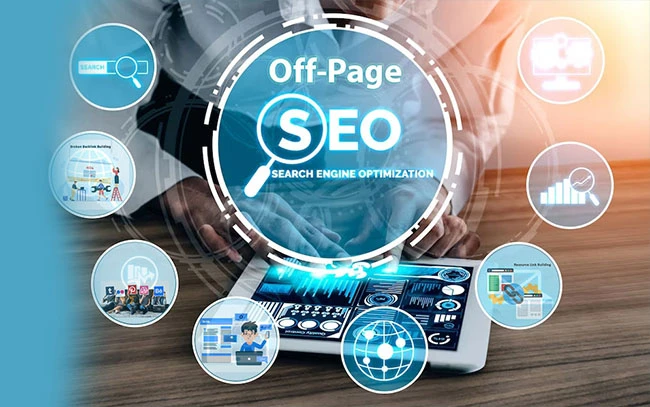
2. Off-Page SEO
Off-page SEO involves activities outside your website that impact your rankings. The most important factor here is backlinks—links from other websites to yours. High-quality backlinks signal to search engines that your website is trustworthy and authoritative.
3. Technical SEO
Technical SEO ensures that your website is easy for search engines to crawl and index. This includes improving website speed, mobile-friendliness, secure connections (HTTPS), and fixing broken links. A well-optimized technical structure enhances user experience and search rankings.
Benefits of SEO in Digital Marketing
1. Increased Organic Traffic
SEO helps your website rank higher in search results, leading to more visibility and increased organic traffic. Unlike paid ads, this traffic is free and long-lasting.
2. Builds Credibility and Trust
Websites that appear on the first page of search results are often perceived as more trustworthy. Good SEO practices help establish your brand as reliable and authoritative.
3. Cost-Effective Strategy
Compared to paid advertising, SEO is a cost-effective long-term strategy. While it requires time and effort, the results are sustainable and continue to deliver value over time.
4. Better User Experience
SEO is not just about search engines—it also focuses on improving user experience. Fast-loading pages, mobile-friendly designs, and relevant content keep visitors engaged and satisfied.
5. Higher Conversion Rates
SEO targets users who are actively searching for specific information, products, or services. This increases the chances of converting visitors into customers.
SEO vs. Paid Advertising
While paid ads can bring immediate traffic, SEO provides long-term benefits. A well-optimized website can continue to attract visitors for months or even years without additional cost. Combining both strategies can deliver the best results in a digital marketing campaign.
Future of SEO
SEO continues to evolve with advancements in technology. Factors like voice search, artificial intelligence, and user intent are becoming more important. Businesses must stay updated with the latest trends to maintain their rankings and stay ahead of competitors.
Conclusion
SEO is a powerful and indispensable part of digital marketing. It helps businesses improve visibility, attract quality traffic, and build long-term success online. By investing in effective SEO strategies, businesses can create a strong digital presence and achieve sustainable growth in an ever-changing digital world.