Interior design trends often evolve in response to changing lifestyles and priorities. In recent years, homeowners have increasingly sought spaces that feel calm, comfortable, and connected to nature. As a result, earthy color palettes and natural materials have made a strong comeback in residential design. These elements bring warmth, texture, and a timeless quality to interiors while creating environments that promote relaxation and well-being.
From soft greens and warm browns to natural wood and stone finishes, nature-inspired design is helping homeowners create inviting spaces that feel both modern and enduring.
Why Nature-Inspired Design Is Growing in Popularity
As people spend more time at home, there has been a greater focus on creating spaces that support comfort and balance. Earthy tones and organic materials help establish a soothing atmosphere that feels grounded and welcoming.
Unlike bold trends that may quickly go out of style, natural design elements tend to have lasting appeal. Their versatility allows them to complement a variety of design styles, from contemporary and minimalist interiors to traditional and rustic settings.
This timeless quality makes natural materials an attractive choice for homeowners looking for long-term value.
The Appeal of Earthy Color Palettes
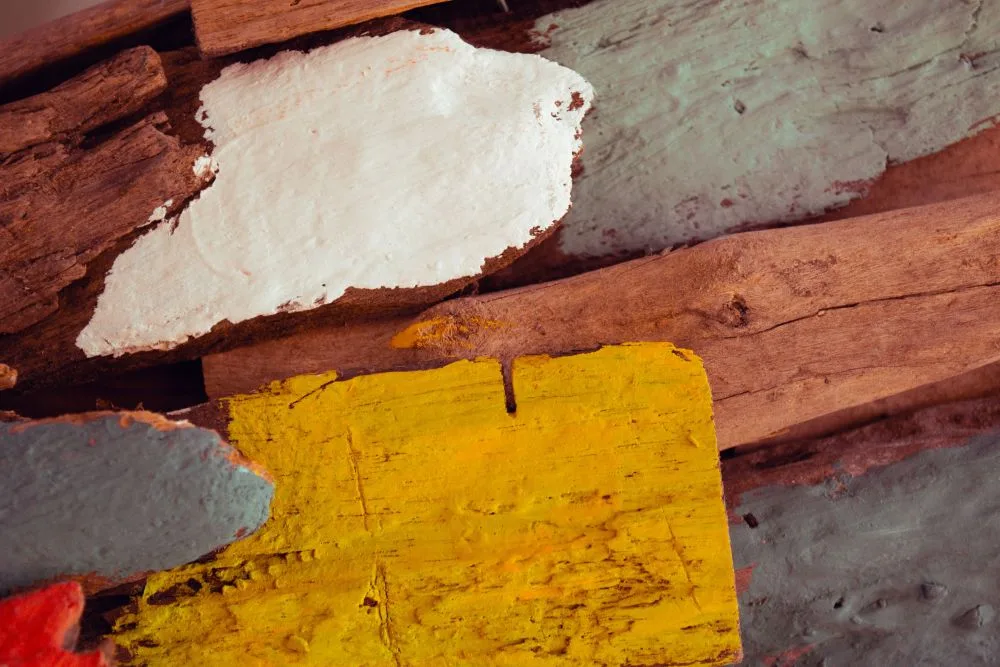
Earthy colors draw inspiration from nature and include shades such as terracotta, olive green, warm beige, clay, taupe, soft browns, and muted blues. These colors create a sense of warmth and comfort while adding depth to a space.
Neutral earth tones also serve as excellent foundations for layering furniture, textiles, and decorative accessories. They work well in living rooms, bedrooms, kitchens, and even home offices because they create a calm backdrop without feeling plain or boring.
By incorporating these colors into walls, upholstery, or accent pieces, homeowners can create spaces that feel both sophisticated and inviting.
Natural Wood Adds Warmth and Character
Wood remains one of the most popular materials in interior design because of its ability to bring warmth and authenticity into a home. Whether used for flooring, cabinetry, furniture, or decorative accents, natural wood introduces texture and visual interest.
Lighter wood tones, such as oak and ash, have become especially popular for creating bright and airy interiors. Richer woods can add depth and elegance while maintaining the organic feel that many homeowners desire.
The natural variations in grain and color make each wood element unique, contributing to a more personalized design.
Stone and Organic Textures Create Depth
Natural stone features are also experiencing renewed popularity. Materials such as marble, limestone, slate, and travertine add texture and durability while enhancing a home's connection to nature.
Beyond stone surfaces, homeowners are embracing organic textures through woven baskets, linen fabrics, wool rugs, rattan furniture, and handcrafted décor. These layered materials make rooms feel more dynamic and visually appealing.
Combining different textures creates depth and prevents neutral spaces from appearing flat or overly simple.
Incorporating Sustainable Design Elements
Many homeowners are becoming more conscious of sustainability when making design choices. Natural materials often align with this goal because they can be durable, renewable, and long-lasting.
Choosing quality materials that age gracefully reduces the need for frequent replacements and supports a more sustainable approach to home design. Reclaimed wood, natural fibers, and responsibly sourced materials are increasingly being used to create stylish interiors with a reduced environmental impact.
This focus on sustainability complements the broader movement toward nature-inspired living.
Balancing Modern and Natural Elements
One reason earthy design has remained popular is its flexibility. Natural materials pair well with modern furnishings, clean lines, and contemporary architecture. Homeowners do not need to choose between modern style and organic comfort.
For example, sleek furniture can be softened with wood accents, textured fabrics, and earthy colors. Similarly, minimalist spaces can gain warmth through natural materials without sacrificing their clean aesthetic.
Many San Francisco interior designers are incorporating this balance into their projects, blending modern design principles with organic elements to create stylish and functional living environments.
Creating a Timeless Home
Trends come and go, but nature-inspired design has proven to be remarkably enduring. Earthy colors and natural materials create spaces that feel comfortable, elegant, and connected to the surrounding environment.
Rather than relying on bold statements or short-lived trends, homeowners can use these elements to build interiors that remain appealing for years. The combination of warm tones, organic textures, and quality materials creates a welcoming atmosphere that supports both beauty and functionality.
Conclusion
Earthy colors and natural materials are making a comeback because they offer a timeless way to create comfortable and inviting homes. From warm color palettes and wood finishes to stone surfaces and textured fabrics, these design elements bring a sense of balance and authenticity to interior spaces.
By thoughtfully incorporating nature-inspired features, homeowners can create environments that feel relaxing, sophisticated, and enduring while reflecting today's growing appreciation for comfort, sustainability, and timeless design.