
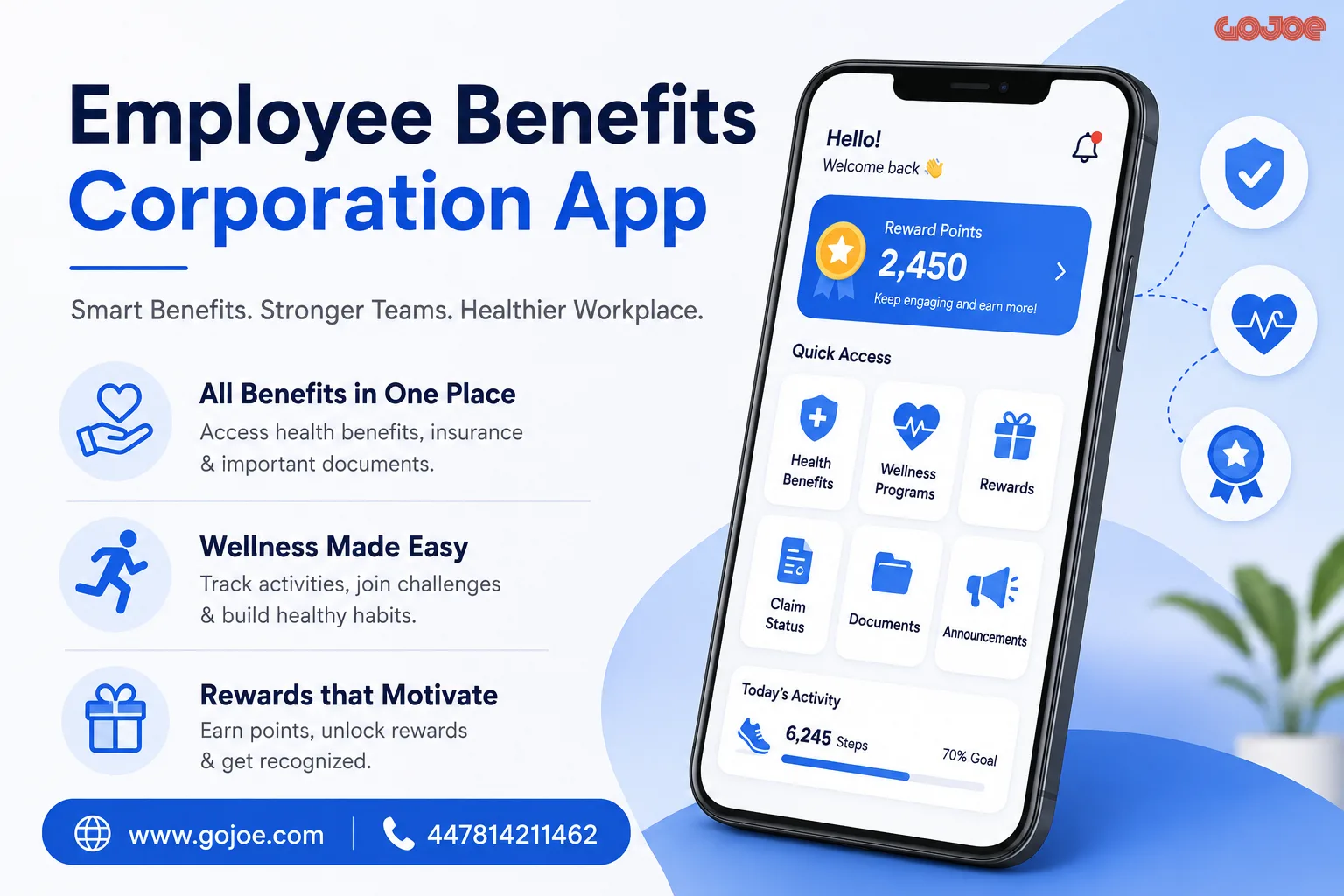
Employee wellness and digital workplace solutions are becoming essential for companies that want to improve productivity, employee satisfaction, and team engagement. Businesses are now investing in smarter technologies that help workers manage health benefits, incentives, rewards, communication, and wellness activities from one centralized platform. An employee benefits corporation app can simplify HR operations while also creating a better experience for employees across organizations of every size.
Why Businesses Need Employee Benefit Apps
Modern employees expect convenience in every aspect of their professional lives. From accessing insurance details to tracking wellness rewards, workers prefer mobile-friendly tools that are easy to use and accessible anytime. Traditional paperwork and disconnected systems often create confusion, delays, and unnecessary stress.
An employee benefit application helps organizations streamline multiple HR and wellness functions, including:
- Health benefit management
- Employee reward programs
- Wellness tracking
- Internal communication
- Incentive distribution
- Leave and attendance management
- Fitness challenges and engagement activities
Companies that adopt digital benefit systems often experience improved employee retention and stronger workplace morale.
Key Features of an Employee Benefits App
A successful employee benefits platform combines convenience, personalization, and engagement. Businesses should evaluate features carefully before choosing a solution.
1. Health Benefits Access
Employees should be able to view their insurance plans, reimbursement details, and healthcare options directly through the app. Easy access reduces HR workload and improves transparency.
2. Wellness Program Integration
Many organizations now include wellness campaigns such as fitness tracking, mental health support, meditation programs, and healthy habit challenges within their employee app ecosystem.
3. Rewards and Recognition
Recognition systems help employees feel appreciated. Apps that offer point-based rewards, achievement badges, and peer appreciation can increase motivation across teams.
4. Mobile Accessibility
Remote and hybrid work environments require employees to access services from any location. Mobile-first functionality improves usability and engagement.
5. Real-Time Notifications
Push notifications help employees stay updated about company announcements, wellness activities, policy updates, and reward opportunities.
Benefits of Using an Employee Benefits Platform
Organizations implementing digital benefits solutions gain advantages beyond administrative efficiency.
Improved Employee Engagement
Employees who actively participate in wellness and reward programs tend to feel more connected with their organization. Higher engagement often leads to improved productivity and stronger collaboration.
Reduced Administrative Burden
Automation reduces repetitive HR tasks such as paperwork processing, benefits enrollment, and approval workflows. HR teams can focus on strategic initiatives instead of manual administration.
Better Employee Health
Wellness tracking and health-focused initiatives encourage healthier habits among workers. Businesses may also see reduced absenteeism and lower healthcare costs over time.
Stronger Company Culture
Digital engagement platforms create opportunities for communication, recognition, and participation. Employees feel valued when organizations invest in their wellbeing.
How Employee Wellness Impacts Productivity
Employee wellness is directly connected to workplace performance. Stress, burnout, and poor health can negatively affect concentration, teamwork, and overall output. Wellness-driven organizations often see stronger performance and improved retention.
Companies are increasingly adopting initiatives such as:
- Step challenges
- Mental wellness sessions
- Nutrition guidance
- Meditation programs
- Fitness competitions
- Team wellness activities
These programs become easier to manage when integrated within a single employee benefits app.
Choosing the Right Employee Benefits Solution
Selecting the right platform requires careful evaluation of company goals and workforce needs.
Understand Workforce Requirements
Every organization has unique priorities. Some businesses focus on healthcare management, while others prioritize employee engagement or wellness campaigns.
Prioritize User Experience
A complicated app can reduce adoption rates. Choose platforms with intuitive navigation and simple interfaces.
Look for Integration Capabilities
The app should integrate smoothly with payroll systems, HR software, communication tools, and wellness trackers.
Evaluate Data Security
Employee data protection is critical. Ensure the platform follows modern security standards and privacy compliance requirements.
Scalability Matters
As organizations grow, the app should support expanding teams and additional features without performance issues.
The Rise of Wellness-Centered Corporate Culture
The global workplace has shifted significantly over the past few years. Companies now understand that employee wellbeing is not just an optional perk but a business necessity.
Organizations promoting wellness-focused environments often experience:
- Lower turnover rates
- Higher employee satisfaction
- Increased workplace morale
- Improved collaboration
- Better productivity levels
Employees appreciate companies that genuinely care about their physical and mental health.
Digital Transformation in HR Management
Technology continues to reshape HR operations worldwide. Employee apps now act as centralized ecosystems where workers can access everything from benefits and rewards to communication tools and wellness programs.
Advanced platforms may include features such as:
- AI-powered recommendations
- Personalized wellness journeys
- Analytics dashboards
- Gamified fitness challenges
- Social engagement tools
These innovations help businesses create more interactive and supportive workplace experiences.
Employee Retention Through Better Benefits
One of the biggest challenges organizations face today is retaining skilled employees. Competitive salaries alone are no longer enough. Workers now evaluate employers based on overall experience, flexibility, wellness support, and workplace culture.
Providing a strong digital benefits platform demonstrates commitment to employee wellbeing. This can improve loyalty and attract top talent in competitive industries.
Encouraging Participation in Wellness Programs
Simply offering wellness initiatives is not enough. Organizations should actively encourage participation through engagement strategies.
Some effective methods include:
- Reward-based challenges
- Team competitions
- Personalized health goals
- Social sharing features
- Achievement tracking
- Incentive programs
Gamification elements can make wellness activities more enjoyable and encourage consistent participation.
Future Trends in Employee Benefits Technology
The future of employee benefits platforms will likely focus on personalization and AI-driven experiences. Businesses are expected to adopt smarter tools that adapt to employee behavior and preferences.
Emerging trends include:
- AI wellness coaching
- Predictive health insights
- Wearable device integration
- Virtual mental health support
- Personalized reward systems
- Advanced workforce analytics
These technologies will continue improving employee experiences while helping organizations make data-driven decisions.
Why Companies Are Investing More in Wellness Platforms
Organizations increasingly understand the financial and cultural benefits of employee wellness investments. Healthier employees are often more productive, motivated, and engaged.
Many businesses now consider best corporate wellness software as a critical component of modern HR strategy because it supports employee satisfaction while also improving operational performance.
Companies that invest in employee wellbeing today are better positioned to build sustainable and high-performing workplace cultures in the future.
Creating a Positive Employee Experience
A strong employee experience begins with accessibility, communication, and support. Workers want solutions that simplify daily tasks while helping them maintain work-life balance.
An employee benefits app can become a central hub where employees feel connected, informed, and appreciated. From wellness tracking to rewards management, digital platforms create opportunities for stronger engagement and healthier workplace environments.
Organizations that prioritize employee wellbeing through technology are more likely to achieve long-term business success while building a happier and more productive workforce.
FAQs
What is an employee benefits corporation app?
An employee benefits corporation app is a digital platform that helps organizations manage employee benefits, wellness programs, rewards, communication, and HR-related services in one place.
How does an employee benefits app improve employee engagement?
These apps improve engagement by offering wellness challenges, rewards systems, recognition features, and easy access to company resources that encourage employee participation.
Why are wellness programs important for companies?
Wellness programs help employees maintain healthier lifestyles, reduce stress, improve morale, and increase productivity within the workplace.
Can small businesses use employee benefits apps?
Yes, many employee benefits platforms are designed for businesses of all sizes and offer scalable solutions suitable for startups, small businesses, and large enterprises.
What features should companies look for in a benefits app?
Important features include mobile access, wellness integration, rewards management, secure data handling, communication tools, analytics, and easy system integration.
How do employee wellness platforms support remote teams?
Wellness platforms help remote teams stay connected through virtual challenges, communication features, wellness tracking, and recognition programs that encourage collaboration and engagement.