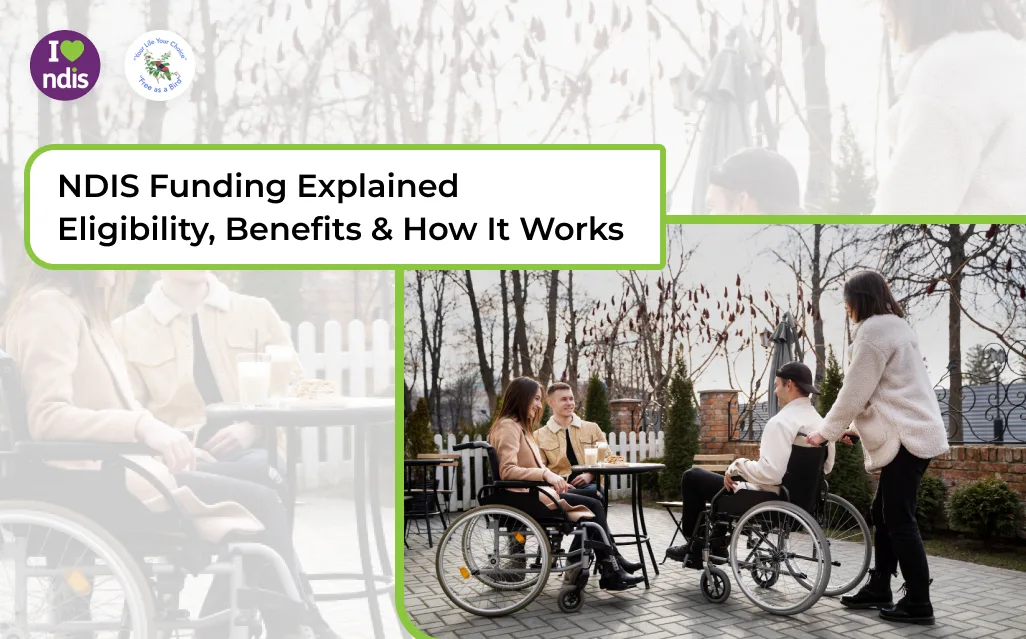
Access to quality disability support services is essential for improving independence, well-being, and daily living for people with disabilities across Australia. Understanding how the National Disability Insurance Scheme works can help participants and families make informed decisions about the support services available to them.
The scheme was introduced to provide flexible and personalised assistance for eligible individuals living with permanent and significant disabilities. Through structured planning and individualised support, participants can access services that improve mobility, communication, community participation, and overall quality of life.
For many families, understanding NDIS Funding is the first and most important step toward accessing long-term support services. From daily care assistance to accommodation and therapy supports, the scheme offers a wide range of options tailored to individual needs and goals.
What Is NDIS Funding?
The National Disability Insurance Scheme provides financial assistance to eligible participants so they can access supports that improve independence and daily living. Unlike traditional support systems, the scheme focuses on personalised care and goal-based planning.
NDIS Funding is allocated based on the participant’s unique circumstances, personal goals, support requirements, and long-term needs. The aim is to help individuals build skills, increase independence, and participate more actively in their communities.
Funding may be used for:
- Personal care assistance
- Therapy and rehabilitation services
- Community participation
- Transport assistance
- Assistive technology
- Accommodation-related support
The flexibility of the scheme allows participants to choose services and providers that align with their personal preferences and support goals.
Who Is Eligible for Support?
Eligibility is determined through several important criteria. Participants generally need to meet age, residency, and disability-related requirements.
To qualify, individuals usually must:
- Be under 65 years of age at the time of application
- Be an Australian citizen, permanent resident, or eligible visa holder
- Have a permanent or significant disability that impacts daily activities
The disability must substantially affect the person’s ability to perform everyday tasks independently and require ongoing support.
Some individuals may also receive early intervention support if early assistance can improve long-term outcomes and reduce future support needs.
Understanding the Planning Process
Once eligibility is approved, participants move into the planning stage. This process helps identify individual goals, daily challenges, and the types of supports required.
During planning discussions, participants may talk about:
- Daily living requirements
- Personal development goals
- Therapy and support needs
- Community participation interests
- Accommodation preferences
The information gathered during these discussions helps create a personalised support plan.
A well-prepared plan plays an important role in ensuring participants receive suitable services and achieve better long-term outcomes.
Main Categories of Support
The scheme divides support into several categories that focus on different areas of participant care and development.
Core Supports
Core supports assist participants with routine daily activities and essential living needs.
These supports may include:
- Personal care assistance
- Household tasks
- Transport services
- Community participation support
Core supports help individuals maintain independence and improve day-to-day living.
Capacity Building Supports
Capacity building supports focus on developing skills and increasing long-term independence.
Examples include:
- Occupational therapy
- Physiotherapy
- Speech therapy
- Employment assistance
- Social and communication skill development
These services help participants improve confidence and build important life skills.
Capital Supports
Capital supports involve larger investments that improve mobility, accessibility, and safety.
This category may include:
- Assistive technology
- Wheelchairs and mobility aids
- Home modifications
- Accessible accommodation solutions
Capital supports help create safer and more comfortable living environments.
Importance of Choosing the Right NDIS Service Provider
Selecting the right NDIS Service Provider is essential for receiving high-quality support and personalised care. Providers help participants access therapies, daily assistance, accommodation services, and community programs that align with their goals.
When choosing a provider, participants should consider:
- Experience and qualifications
- Service flexibility
- Communication and reliability
- Understanding of participant needs
Reliable providers focus on long-term participant well-being and goal-oriented support planning.
Organisations like Admire Care help participants and families navigate support systems more effectively while delivering personalised and compassionate care services.
Understanding NDIS Plan Management
Managing budgets, invoices, and service payments can sometimes become overwhelming for participants and families. This is where NDIS Plan Management becomes valuable.
Plan management services help participants:
- Track support budgets
- Process invoices and payments
- Understand spending categories
- Reduce administrative stress
Participants using plan management services often experience greater flexibility and improved financial organisation while maintaining better control over their support plans.
This support allows individuals to focus more on achieving personal goals rather than handling complex financial tasks.
Accommodation and Independent Living Support
Accommodation support is an important part of disability care for individuals who require specialised living arrangements or daily support assistance.
Understanding SDA Homes
SDA Homes are specially designed accommodation solutions for individuals with high support needs or significant functional impairments.
These homes may include:
- Accessible layouts
- Mobility-friendly features
- Assistive technology integration
- Improved safety and accessibility
Specialist accommodation supports participants in living more independently while maintaining comfort and security.
Benefits of SIL Home Support
A SIL Home provides Supported Independent Living assistance for participants who require daily support while maintaining independent living arrangements.
Support services may include:
- Meal preparation assistance
- Household support
- Personal care
- Daily routine assistance
- Social participation support
This type of support encourages greater independence while ensuring participants receive the care they need.
Benefits of Accessing Disability Support Services
Access to structured support services provides long-term benefits for participants and their families.
Key advantages include:
- Improved independence
- Better daily living skills
- Increased social participation
- Enhanced emotional well-being
- Greater confidence and self-development
Families and caregivers also benefit because organised support systems help reduce stress and improve long-term planning opportunities.
Common Challenges Participants Face
Although the scheme provides valuable support, some participants may face challenges when managing services and navigating the system.
Common difficulties include:
- Understanding funding categories
- Managing budgets effectively
- Finding suitable providers
- Coordinating multiple services
Seeking support from experienced professionals and reliable providers can help simplify the process and improve participant experiences.
Tips for Maximizing Support Plans
Participants can make better use of their plans by staying proactive and organised throughout their support journey.
Helpful strategies include:
- Reviewing goals regularly
- Tracking support usage and budgets
- Maintaining communication with providers
- Updating support needs when circumstances change
Proper planning ensures participants receive the most suitable and effective services available.
Role of Families and Caregivers
Families and caregivers often play an important role in helping participants manage supports and achieve personal goals.
They may assist with:
- Scheduling appointments
- Coordinating services
- Supporting daily routines
- Encouraging social participation
Strong family involvement can contribute to better emotional well-being and improved participant outcomes.
Future of Disability Support Services in Australia
Disability support services continue evolving to better meet participant needs. Greater focus is being placed on accessibility, personalised care, and independent living solutions.
Future developments may include:
- Increased technology integration
- More flexible support models
- Improved community inclusion programs
- Enhanced accessibility solutions
These improvements aim to provide better long-term outcomes and quality of life for participants across Australia.
Conclusion
Understanding disability support services is essential for participants and families seeking long-term assistance and improved independence. From therapy and daily care to accommodation and community participation, the scheme provides flexible and personalised support options that help individuals achieve meaningful goals.
Learning how NDIS Funding works allows participants to make informed decisions, access suitable services, and maximize available support opportunities. By choosing experienced providers, understanding support categories, and planning effectively, individuals can build a stronger foundation for independence and long-term well-being.
With reliable guidance and personalised care from organisations like Admire Care, participants and families can navigate the support system with greater confidence while improving quality of life and future opportunities.