When it comes to skincare, sunscreen is often hailed as the holy grail of protection against harmful UV rays. However, with the rise of face creams that incorporate SPF, many wonder: Can face creams with SPF replace sunscreen in your daily routine?
At Bolvia, we understand how crucial sun protection is for healthy skin, and we know that the lines between sunscreen and other skincare products can sometimes get blurred. In this blog, we’ll explore face creams with SPF, how they work, and whether they can replace traditional sunscreen.
What is SPF and Why Do You Need It?
SPF, or Sun Protection Factor, measures how well a product protects your skin from UVB rays—those responsible for causing sunburn and contributing to skin cancer. The higher the SPF, the greater the protection. For instance, SPF 30 and SPF 50 block roughly 97% and 98% of UVB radiation, respectively.
In addition to UVB rays, it’s important to protect your skin from UVA rays, which cause premature aging and wrinkles. The best way to protect your skin from both is by using products that offer broad-spectrum protection, which shields against both UVA and UVB radiation.
Face Creams With SPF: A Convenient Option
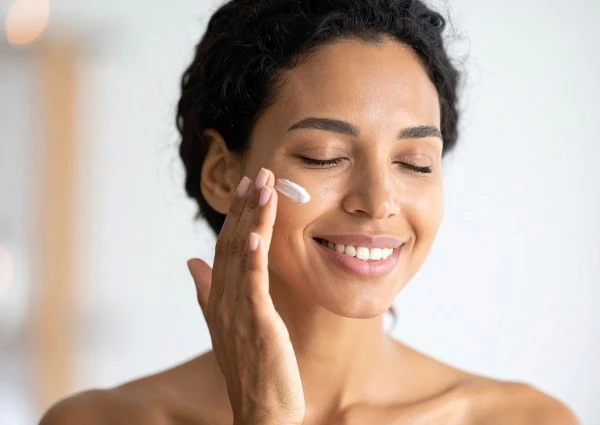
Face creams with SPF combine the benefits of hydration and sun protection in one step. These multi-purpose products are especially attractive for people with busy schedules who want to streamline their skincare routine without sacrificing skin safety.
At Bolvia, we’ve designed our face creams with SPF to provide the ideal balance of moisture and sun protection. Our hydrating formulas are perfect for daily use, ensuring that your skin stays moisturized while being protected from the sun’s harmful rays. But, can they fully replace sunscreen?
Can Face Creams With SPF Replace Sunscreen?
1. SPF in Face Creams May Not Be Enough
While face creams with SPF can provide a level of sun protection, it’s important to understand that they often don’t offer the same level of coverage as traditional sunscreens. The main issue lies in the amount of product needed to achieve the SPF protection listed on the label.
- Sunscreen: Dermatologists recommend applying at least a nickel-sized amount of sunscreen to your face and neck. This ensures that you’re getting the full SPF protection.
- Face Cream with SPF: Most people don’t apply enough face cream to get the advertised SPF level. A thin layer of face cream may not provide the same amount of protection as a generous layer of sunscreen.
2. Reapplication is Key
Sunscreen needs to be reapplied every two hours, especially if you're exposed to the sun for prolonged periods. Face creams with SPF are often not formulated for frequent reapplication. You might not want to layer more face cream over your makeup during the day. Therefore, while face creams with SPF offer initial protection, reapplication with a dedicated sunscreen is still necessary for optimal results.
How Face Creams With SPF Benefit Your Skin
Despite not fully replacing sunscreen, face creams with SPF offer several significant benefits:
1. Convenience
Using a face cream with SPF simplifies your morning routine. You can moisturize and protect your skin from the sun in one step, which is perfect for those short on time. If you’re someone who struggles to remember to apply sunscreen, a daily face cream with SPF serves as a practical, effective alternative.
2. Added Hydration
Face creams with SPF often come with moisturizing ingredients such as hyaluronic acid, glycerin, and vitamins that help keep your skin hydrated throughout the day. This is especially important during colder months when skin tends to dry out.
3. Suitable for All Skin Types
If you have sensitive or oily skin, you may find sunscreens with heavy, greasy formulas too thick for everyday use. Bolvia’s face creams with SPF are lightweight and non-comedogenic, making them perfect for all skin types, including oily and acne-prone skin. They’re designed to provide sun protection without clogging pores or causing breakouts.
When Should You Use Face Creams With SPF?
Face creams with SPF are ideal for light daily sun exposure. They’re perfect for days when you’re staying indoors, running errands, or only spending a limited amount of time outside. For example, if you’re going to the office or meeting friends for coffee, face cream with SPF will suffice for protection.
However, for prolonged sun exposure (e.g., outdoor activities, vacations to sunny destinations), it’s best to use a dedicated sunscreen that provides a higher level of protection and can be reapplied throughout the day.
Bolvia’s Face Creams With SPF: A Perfect Blend of Hydration and Protection
At Bolvia, our face creams with SPF are designed to protect your skin without compromising on hydration. Our formulas are crafted to provide:
- SPF 30–50 for effective sun protection.
- Hydrating ingredients that nourish your skin all day.
- Non-greasy, lightweight textures that don’t leave a heavy, oily residue.
- Broad-spectrum protection against both UVA and UVB rays.
Whether you’re looking for a product to wear daily or a light moisturizer for your morning routine, Bolvia’s face creams with SPF provide the perfect solution.
Final Thoughts: Face Creams With SPF vs. Sunscreen
While face creams with SPF are a fantastic addition to your skincare routine, they cannot fully replace sunscreen—especially for those long hours spent outdoors. For complete protection, use face cream with SPF as a base and apply a sunscreen as needed, particularly for extended sun exposure.
At Bolvia, we believe in offering a comprehensive skincare solution that includes both hydration and sun protection. Our SPF-infused face creams are ideal for daily use, providing the protection your skin needs while keeping it soft, smooth, and radiant.