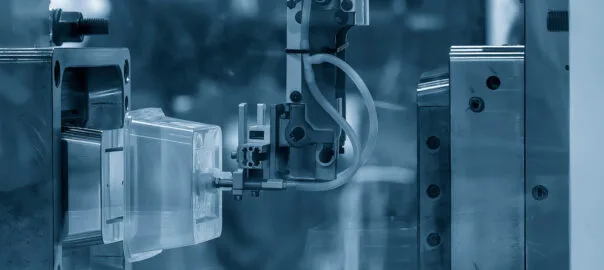
Foam injection molding is an advanced plastic manufacturing process used to produce lightweight components with a solid outer surface and a cellular foam core. This method helps manufacturers reduce material consumption while maintaining the strength, rigidity, and dimensional stability required for different industrial applications.
Unlike conventional plastic injection molding, which produces solid components, foam injection molding introduces a chemical or physical blowing agent into the molten polymer. This creates small gas bubbles inside the material, forming a lightweight internal structure as the plastic cools inside the mold.
Industries such as automotive, electronics, packaging, construction, and consumer goods use this process to manufacture components that require reduced weight without sacrificing essential performance.
For businesses evaluating injection molding manufacturers, understanding the foam injection molding process can help identify the right manufacturing approach for their product requirements. Companies looking for reliable Injection Molding Solutions should consider material selection, mold design, production volume, and part performance before choosing a process.
What Is Foam Injection Molding?
Foam injection molding is a manufacturing technique that combines thermoplastic materials with a blowing agent to create plastic components containing a foam-filled interior and a relatively dense outer layer.
During production, plastic resin is heated until it reaches a molten state. A chemical or physical blowing agent is introduced into the polymer, producing gas as the material enters the mold cavity. The expanding gas creates a cellular structure within the plastic.
As the component cools, its outer surface solidifies while the internal foam structure provides support and reduces the overall weight.
This process is particularly useful for manufacturers producing large components that require strength, insulation, and material efficiency.
Businesses comparing custom plastic parts manufacturers may consider foam injection molding when their applications require:
- Lightweight plastic components.
- Reduced raw material consumption.
- Improved impact absorption.
- Thermal and sound insulation.
- Consistent dimensional stability.
- Cost-efficient production for suitable applications.
Foam injection molding can also complement conventional injection molding services when manufacturers need to evaluate different production methods for specific plastic components.
How Does the Foam Injection Molding Process Work?
The foam injection molding process involves several controlled manufacturing stages. Each stage influences the final component's weight, surface quality, foam density, and structural performance.
1. Material Preparation
The process begins with selecting a suitable thermoplastic resin, such as polypropylene, ABS, or polycarbonate. The material is prepared according to the required processing conditions.
A chemical or physical blowing agent is then introduced into the polymer. Proper material preparation helps maintain consistent foam formation during production.
2. Melting and Mixing
Plastic pellets are heated inside the injection molding machine until they reach the required melting temperature.
The blowing agent mixes with the molten polymer and prepares it for injection. Temperature, pressure, and material flow must remain controlled to achieve consistent results.
3. Injection Into the Mold
The molten polymer mixture is injected into a specially designed mold cavity. As the material enters the mold, the blowing agent releases gas and creates bubbles within the polymer.
These bubbles expand to form the internal cellular structure.
4. Foam Expansion
The gas bubbles expand within the mold cavity, reducing the density of the molded component.
The expansion behavior depends on material properties, injection conditions, blowing agent concentration, and mold design.
5. Cooling and Solidification
The component begins cooling inside the mold. The outer surface solidifies and forms a relatively dense skin, while the internal structure retains its cellular foam composition.
Proper cooling helps control shrinkage, warping, and dimensional inconsistencies.
6. Part Removal and Inspection
Once the component reaches sufficient rigidity, it is removed from the mold.
Manufacturers inspect the finished part for dimensional accuracy, surface appearance, structural consistency, and other application-specific requirements.
What Are the Key Benefits of Foam Injection Molding?
Foam injection molding provides several manufacturing advantages, particularly for applications where reducing component weight and material usage is important.
1. Reduced Component Weight
One of the main advantages is the ability to manufacture lightweight plastic components. The cellular interior reduces the amount of solid polymer required to produce a part.
This is particularly beneficial in automotive and transportation applications, where reducing component weight can support overall vehicle efficiency.
2. Lower Material Consumption
The blowing agent expands the polymer inside the mold, allowing manufacturers to produce larger components using less raw material.
Reduced material consumption can help lower production costs, depending on the material, tooling, and manufacturing requirements.
3. Improved Impact Absorption
The foam-filled core can help absorb mechanical energy during impact. This makes the process useful for protective packaging, automotive interior components, and other applications where cushioning is important.
4. Thermal Insulation
The cellular structure contains gas-filled spaces that can reduce heat transfer.
This property makes foam-molded components suitable for selected insulation-related applications in construction, packaging, and consumer products.
5. Noise and Vibration Reduction
Foam structures can help absorb sound and mechanical vibrations. Manufacturers may use this property when designing automotive interior panels, equipment housings, and industrial components.
6. Greater Design Flexibility
Foam injection molding supports different component shapes, wall thicknesses, and internal structures.
With appropriate mold design and process control, manufacturers can produce complex parts while managing overall component weight.
7. Production Cost Efficiency
Lower material consumption and reduced component weight can contribute to manufacturing and transportation savings.
For businesses evaluating plastic injection molding manufacturers, foam injection molding may offer an alternative when lightweight construction and material efficiency are important project priorities.
What Materials Are Used in Foam Injection Molding?
Material selection directly affects foam expansion, mechanical strength, surface finish, and manufacturing efficiency.
The following thermoplastics are commonly considered for foam-related molding applications.
Polypropylene (PP)
Polypropylene is a lightweight thermoplastic known for its chemical resistance, flexibility, and cost efficiency.
Its relatively low density makes it useful for components where reducing weight and material consumption is important.
Common applications include:
- Automotive interior components.
- Consumer product housings.
- Industrial enclosures.
- Packaging components.
Acrylonitrile Butadiene Styrene (ABS)
ABS offers a combination of impact resistance, rigidity, and processability.
It is commonly selected for components requiring durability and a consistent appearance.
Common applications include:
- Appliance housings.
- Automotive interior parts.
- Electronic enclosures.
- Consumer product components.
Polycarbonate (PC)
Polycarbonate is known for its impact resistance, strength, and dimensional stability.
It can be considered for applications requiring stronger plastic components, although its processing temperature and material cost must be evaluated.
Common applications include:
- Electrical housings.
- Industrial components.
- Protective enclosures.
- Automotive assemblies.
Polyethylene (PE)
Polyethylene provides flexibility, moisture resistance, and chemical resistance.
It can be useful for selected lightweight packaging and industrial applications.
Polystyrene (PS)
Polystyrene is valued for its rigidity, low processing cost, and insulation-related applications. Its relatively limited impact resistance should be considered when selecting it for structural components.
Choosing the correct material depends on the component's mechanical requirements, operating environment, production volume, and budget.
What Are the Common Applications of Foam Injection Molding?
Foam injection molding supports manufacturing across several industries because it combines lightweight construction with functional performance.
Automotive Industry
Automotive manufacturers use lightweight plastic components to reduce overall vehicle weight. Foam injection molding can support the production of:
- Dashboard cores.
- Interior door panels.
- Structural inserts.
- Protective interior components.
- Lightweight housings.
Packaging Industry
Protective packaging requires materials that can absorb impact and protect products during transportation.
Foam-based molded components can be used for custom protective inserts, cushioning structures, and packaging supports.
Electronics Industry
Electronic equipment often requires lightweight housings and protective enclosures.
Foam injection molding can support the production of selected electronic components where reduced weight and vibration absorption are beneficial.
Construction Industry
The insulation properties of cellular materials make foam-based components useful in selected construction-related applications.
Manufacturers may use foam structures for lightweight panels and insulation components.
Consumer Products
Household products, appliance housings, and ergonomic components can benefit from lightweight construction and improved material efficiency.
What Are the Limitations of Foam Injection Molding?
Although foam injection molding offers several benefits, it also presents manufacturing challenges that should be considered before selecting the process.
1. Surface Finish: Internal foam expansion can create surface imperfections, making it challenging to achieve a premium cosmetic finish.
2. Process Control: Maintaining uniform foam density requires careful control of material temperature, injection pressure, and blowing agent concentration.
3. Mold Design Requirements: Specialized mold designs and appropriate venting are important for achieving consistent foam distribution.
4. Dimensional Accuracy: Uneven expansion can affect final part dimensions, shrinkage, and overall dimensional stability.
5. Material Compatibility: Not every thermoplastic performs equally well during foam formation. Material selection must account for melt strength and compatibility with the blowing agent.
Understanding these limitations helps manufacturers determine whether foam injection molding is appropriate for their specific production requirements.
Foam Injection Molding vs. Traditional Plastic Injection Molding
Both manufacturing processes use injection molding equipment and specially designed molds, but they produce different internal structures.
| Comparison Factor | Foam Injection Molding | Traditional Injection Molding |
| Part Structure | Cellular foam core | Solid plastic structure |
| Component Weight | Generally lighter | Depends on solid part design |
| Material Usage | Reduced in suitable designs | Higher for equivalent solid volume |
| Surface Finish | May require additional control | Generally more consistent |
| Impact Performance | Can provide energy absorption | Depends on material and design |
| Applications | Lightweight components | Solid plastic components |
| Manufacturing Focus | Weight and material efficiency | Strength, accuracy, and finish |
The right choice depends on the intended application, required mechanical properties, production volume, and design specifications.
Businesses exploring plastic injection molding can compare conventional molding with foam-based alternatives to determine which process best supports their product requirements.
How to Choose the Right Injection Molding Manufacturer in Michigan?
Selecting the right manufacturing partner is an important step in developing reliable plastic components. Businesses researching Michigan injection molding services should evaluate manufacturing capabilities rather than making decisions based only on pricing.
When comparing Michigan injection molding companies, consider the following factors:
1. Manufacturing Capabilities
Evaluate the manufacturer's available molding processes, equipment, tooling capabilities, and experience with different thermoplastic materials.
2. Material Selection Support
An experienced manufacturing partner should help evaluate suitable materials based on strength, flexibility, temperature resistance, and application requirements.
3. Product Design and Engineering
Mold design and part geometry influence manufacturing efficiency and finished product quality. Look for manufacturers that understand design requirements and can identify potential production challenges.
4. Production Volume
Not every project requires large-scale manufacturing. A low volume injection molding supplier may be suitable for prototypes, product testing, and smaller production runs.
For larger projects, evaluate production capacity, repeatability, and quality management.
5. Quality Control
Manufacturers should have suitable inspection procedures to check component dimensions, material consistency, surface quality, and performance.
Businesses searching for the largest injection molding companies in Michigan should also compare their technical capabilities, project suitability, customer support, and manufacturing experience.
Search results may also include companies such as Jimdi Plastics Inc. However, buyers should independently evaluate each provider's services, capabilities, and suitability for their specific requirements.
When comparing injection molding Michigan providers, focus on finding a manufacturing partner that understands your product specifications and production goals.
Why Choose the Right Injection Molding Solutions for Your Project?
Choosing suitable molding technology can influence product quality, manufacturing costs, and long-term component performance.
At Om Raj Tech, businesses can explore different plastic manufacturing processes to understand the options available for their product requirements.
Whether you are evaluating conventional molding, insert molding, or overmolding, selecting the right process starts with understanding the application, material, and component design.
Explore Om Raj Tech's Injection Molding Solutions to learn more about plastic component manufacturing.
For projects involving metal inserts or multiple materials, explore Insert Molding and Overmolding Solutions.
Working with the right manufacturing approach helps businesses develop functional, durable, and cost-effective plastic components.
Frequently Asked Questions About Foam Injection Molding
1. What is the main purpose of foam injection molding?
The main purpose is to manufacture lightweight plastic components with a cellular internal structure and a relatively solid outer surface. It helps reduce material consumption while maintaining suitable strength and dimensional stability.
2. Which materials are commonly used in foam injection molding?
Polypropylene, ABS, polycarbonate, polyethylene, and polystyrene are among the thermoplastics considered for foam-related molding applications. Material selection depends on the required mechanical properties and manufacturing conditions.
3. Is foam injection molding suitable for large-scale manufacturing?
Yes. Foam injection molding can support high-volume manufacturing when the mold design, material selection, and processing conditions are properly optimized.
4. Can foam injection molding reduce manufacturing costs?
Yes. The process can reduce raw material consumption and component weight. However, overall savings depend on tooling expenses, equipment requirements, cycle time, and production volume.
5. How do I select the right injection molding manufacturer in Michigan?
Compare manufacturers based on their molding capabilities, material expertise, tooling support, quality control, production capacity, and experience with similar components. Choose a provider that can meet your technical and production requirements.
6. Is foam injection molding suitable for low-volume production?
It can be suitable for low-volume projects, but tooling and setup expenses should be evaluated. A low-volume injection molding supplier can help determine the most practical manufacturing approach for smaller production requirements.
7. What is the difference between insert molding and foam injection molding?
Foam injection molding creates a cellular structure inside a plastic component to reduce weight and material consumption. Insert molding places a preformed component, such as a metal insert, inside a mold before plastic is injected around it. Learn more about insert molding and overmolding.
Final Thoughts
Foam injection molding is a useful manufacturing process for producing lightweight plastic components with reduced material consumption and functional structural properties. Its applications across automotive, packaging, electronics, construction, and consumer products make it an important option for businesses developing weight-sensitive components.
However, successful production depends on selecting suitable materials, designing effective molds, and maintaining consistent process conditions.
Businesses comparing injection molding manufacturers should evaluate their technical expertise, manufacturing capabilities, and ability to meet specific product requirements. Understanding the available Injection Molding Solutions can help companies make informed decisions and develop plastic components that meet their performance and production goals.