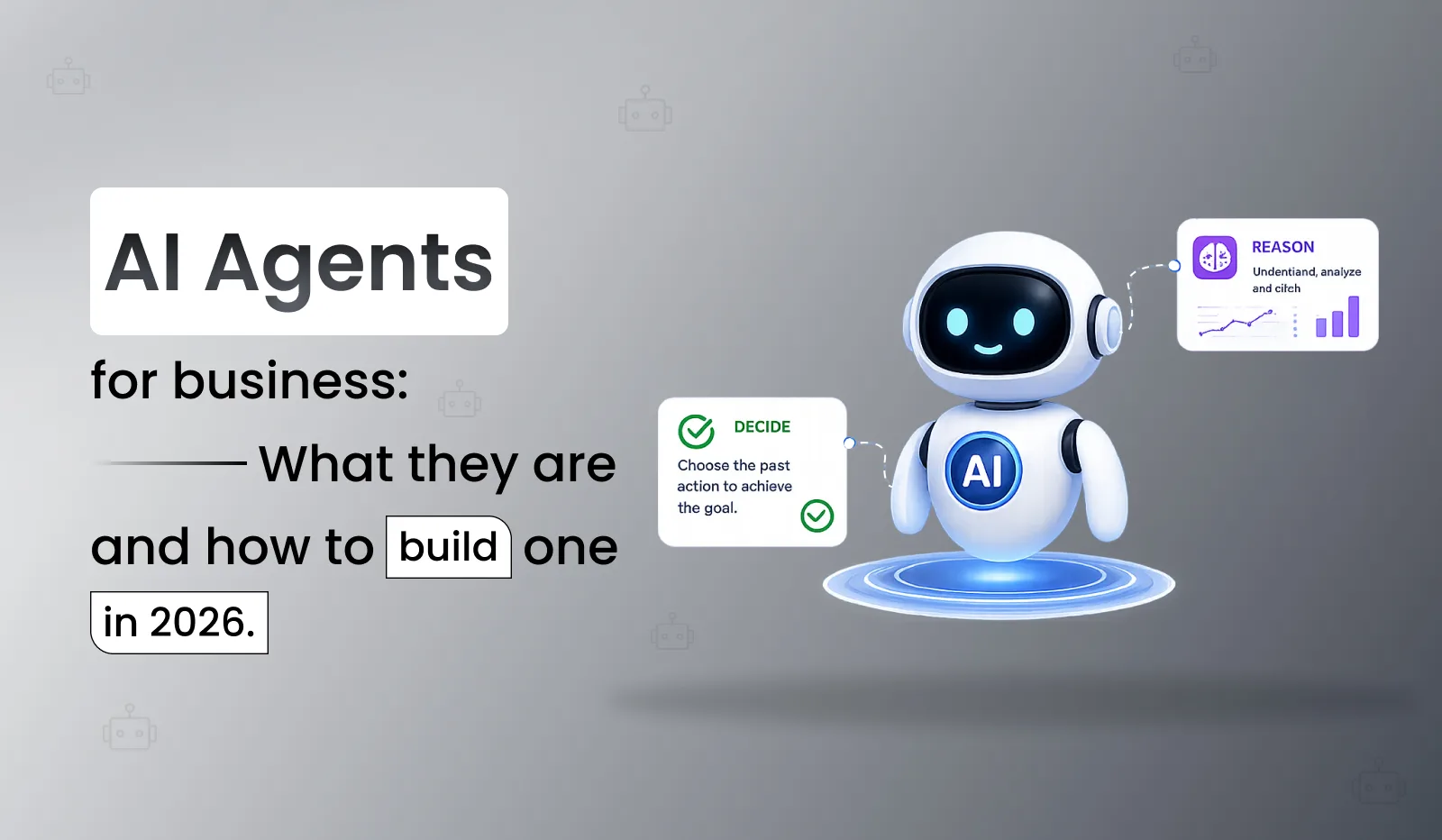


The Rise of Conversational AI
Free AI chat has quickly moved from a niche experiment to a mainstream digital tool used by students, founders, marketers, developers, and everyday internet users. At its core, it allows people to communicate with artificial intelligence in natural language, receiving instant responses that feel increasingly human. As AI models become more advanced and accessible, conversational tools are reshaping how we search for information, brainstorm ideas, and interact with software. This shift matters for anyone working in AI, tech, SaaS, or digital business because conversational interfaces are becoming a default layer across products, platforms, and services.
What Is Free AI Chat?
Free AI chat refers to AI-powered conversational systems that users can access without an upfront cost. These systems rely on large language models trained on vast amounts of text data to understand questions, generate answers, and maintain context over a conversation. Unlike traditional chatbots that follow rigid scripts, modern AI chat tools can reason, summarize, translate, and even assist with creative tasks. For digital businesses, this evolution signals a move toward more intuitive user experiences where typing a question replaces navigating complex menus.
How Free AI Chat Works Behind the Scenes
Under the hood, AI chat systems are built on neural networks designed to predict the most relevant next word in a sentence. These models are trained using machine learning techniques on diverse datasets, allowing them to recognize patterns in language. When a user submits a prompt, the system analyzes intent, context, and tone before generating a response. Continuous fine-tuning and feedback loops help improve accuracy and safety over time. For SaaS companies, this architecture enables rapid deployment of conversational features without building everything from scratch.
Why Businesses and Users Are Adopting It So Fast
The rapid adoption of AI chat is driven by speed, convenience, and scalability. Users get immediate answers instead of searching through multiple web pages. Businesses can offer round-the-clock support without expanding human teams. Entrepreneurs use AI chat to draft emails, validate ideas, and explore market research faster than ever. In a competitive digital economy, tools that reduce friction and save time naturally gain traction.
Key Use Cases Across AI, Tech, and SaaS
AI chat tools are now embedded across industries. In SaaS platforms, they assist with onboarding and troubleshooting. In tech teams, they help explain code snippets and documentation. In digital marketing, they support content ideation and campaign planning. Educational platforms use conversational AI to personalize learning experiences. Even customer success teams rely on chat-based insights to understand user needs better. This versatility explains why conversational AI is no longer optional but strategic.
Voice, Openness, and User Control
Beyond text, features like ai voice chat are expanding how people interact with AI, enabling hands-free conversations and more natural workflows. At the same time, interest in unfiltered ai chat reflects a desire for more transparent, less restrictive interactions, especially for brainstorming or creative exploration. These trends highlight a broader shift toward user-controlled experiences, where people choose how structured or open their AI interactions should be.
Learning From Trusted Industry Resources
To better understand the impact of AI chat, it helps to explore established research and educational sources. OpenAI’s public research papers explain how large language models evolve. MIT Technology Review frequently covers real-world AI adoption trends. Stanford’s AI Index Report provides data-driven insights into global AI growth. Google’s AI blog offers practical perspectives on conversational systems. The World Economic Forum also discusses how AI-driven communication tools affect the future of work. Together, these resources provide context beyond day-to-day usage.
Practical Considerations for Digital Businesses
While AI chat tools are powerful, businesses must think carefully about data privacy, accuracy, and user trust. Clear disclosures, responsible model usage, and human oversight remain essential. Integrating AI chat should enhance, not replace, thoughtful design and ethical decision-making. Many teams explore conversational tools through neutral platforms like claila to understand how AI chat fits into broader workflows without overcommitting too early.
The Middle Ground: Augmentation, Not Replacement
One common misconception is that AI chat replaces human expertise. In reality, it augments it. Professionals still make final decisions, but AI accelerates research, drafting, and analysis. This collaboration model is especially valuable in SaaS and digital businesses, where speed and iteration matter. Used wisely, AI chat becomes a productivity partner rather than an autonomous authority.
The Future of Free AI Chat
As models improve, AI chat will become more context-aware, multilingual, and personalized. Voice-based interactions will feel more conversational, and integrations across tools will deepen. Regulatory frameworks and best practices will also mature, creating clearer standards for responsible use. For tech-forward organizations, staying informed and adaptable will be critical as conversational AI continues to evolve.
FAQs About Free AI Chat
Is free AI chat reliable for professional use?
It can be reliable for brainstorming, drafting, and research support, but outputs should always be reviewed by humans.
How does AI chat differ from traditional chatbots?
Modern AI chat understands context and nuance, while traditional chatbots follow predefined rules.
Can AI chat be customized for businesses?
Yes, many platforms allow customization using company data, tone, and workflows.
What skills are needed to use AI chat effectively?
Clear prompting, critical thinking, and domain knowledge help users get better results.
Conclusion: Why Everyone Is Using It
Free AI chat has become a foundational tool in the digital landscape because it lowers barriers to information, creativity, and productivity. From text-based assistance to advanced features like ai voice chat, conversational AI adapts to how people naturally communicate. As interest grows in more open interactions, including unfiltered ai chat, users and businesses alike are redefining their relationship with technology. Exploring neutral platforms such as claila can help teams understand these tools in context, experiment responsibly, and prepare for a future where conversation is the primary interface between humans and software.