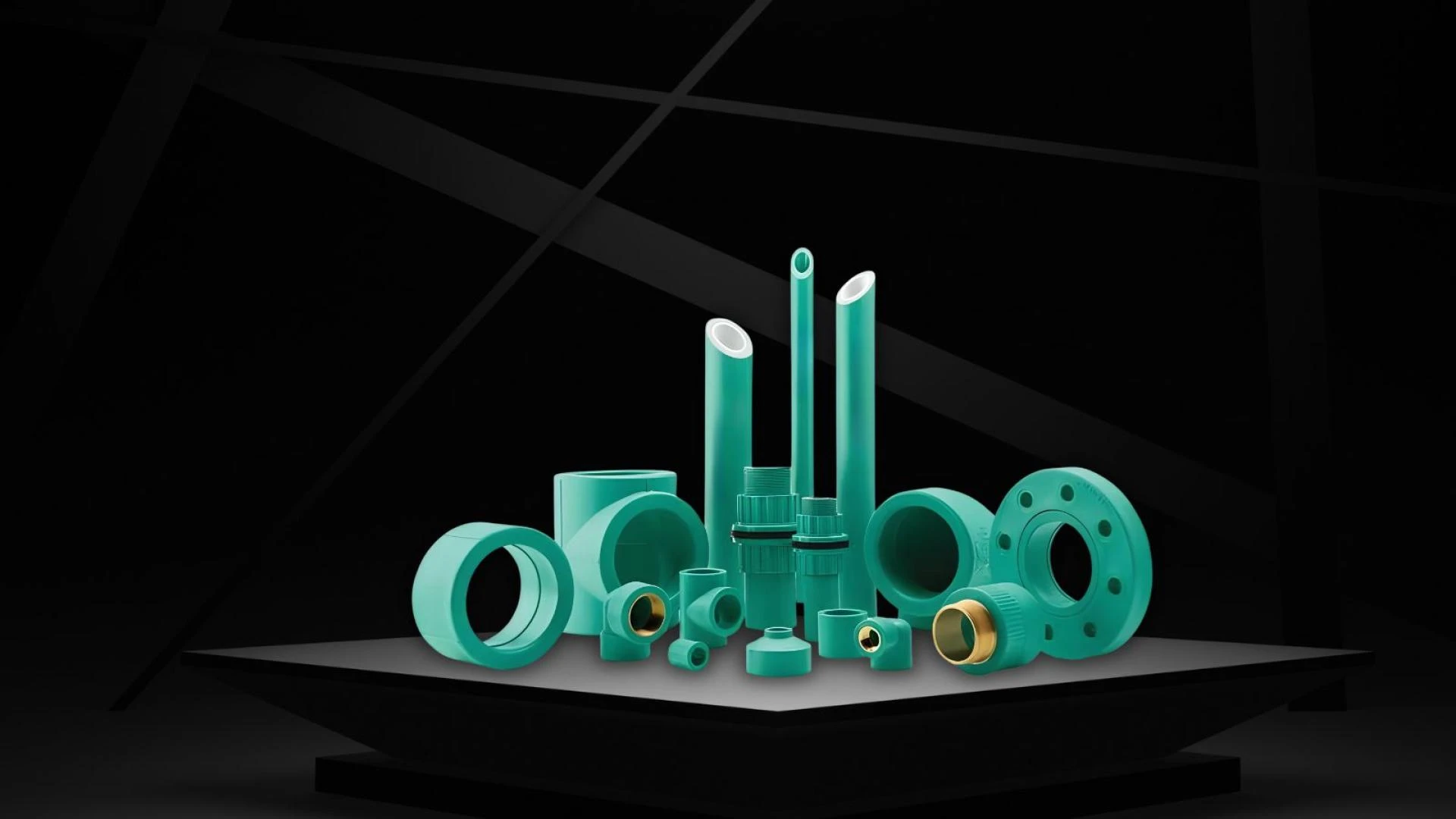
In today’s fast-evolving construction and infrastructure sector, high-quality piping solutions are at the core of long-term efficiency and sustainability. Among the many available options, PPR Pipe has emerged as one of the most reliable, cost-effective, and durable choices for residential, commercial, and industrial applications. Manufactured from polypropylene random copolymer, PPR pipes are designed to provide leak-proof performance, corrosion resistance, and a long operational life. For developers, engineers, and architects aiming for modern, hygienic, and robust water distribution systems, PPR pipes have become a preferred solution.
The Origin and Composition of PPR Pipes
PPR pipes are made from a special-grade polypropylene random copolymer, a type of plastic known for its exceptional thermal and chemical stability. Their unique molecular structure allows them to handle hot and cold water applications without corroding, scaling, or reacting to most chemicals. This molecular integrity ensures longevity and reduces maintenance costs—two major factors driving widespread adoption in both domestic and industrial projects.
In essence, the molecular makeup of PPR pipes gives them a stronger bond at joints, making fusion connections virtually seamless. These heat-fused joints are leak-free and preserve the integrity of the piping system even under high pressure or fluctuating temperature conditions.
Why Choose PPR Pipe Over Traditional Alternatives
Traditional materials like PVC and galvanized iron pipes often face issues like rusting, chemical leaching, or joint failure over time. PPR pipes overcome these challenges in several ways.
PPR pipes are non-reactive and non-toxic, ensuring the purity and safety of drinking water. Their smooth inner surface minimizes frictional loss, maximizing flow rates and energy efficiency. Moreover, the ability to withstand extreme temperatures—from -20°C to 95°C—makes them suitable for a wide range of applications including hot water supply systems, air distribution lines, and even chemical transport systems.
Furthermore, their noise-resistant and hydrated surfaces reduce water hammer effects, providing a quieter and smoother flow experience. PPR’s insulation properties also minimize thermal losses, improving efficiency in applications where heated water is transported over long distances.
Sustainability and Environmental Advantages
Sustainability is no longer a choice—it’s a necessity. PPR Pipe stands out as an eco-friendly piping option due to its recyclable material and energy-efficient production process. Unlike metal pipes, it doesn’t require mining or galvanizing, which drastically reduces the environmental footprint.
Since PPR pipes have a longer service life—often exceeding 50 years—they significantly reduce replacement frequency and waste generation. Additionally, the low thermal conductivity of PPR material helps in conserving heat energy, reducing the power consumption of connected systems like water heaters or industrial boilers.
As environmental regulations tighten globally, sustainable alternatives like PPR pipes are becoming the first choice for green building projects, government initiatives, and industrial facilities committed to eco-conscious development.
Applications Across Sectors
PPR pipes are versatile and suitable for a wide variety of uses. Their ability to manage high-pressure and high-temperature fluids makes them ideal for both domestic and industrial installations. In residential buildings, they are commonly used for potable water supply, radiator connections, and underfloor heating systems.
In the industrial domain, PPR pipes are preferred for chemical fluid transportation, compressed air systems, and chilled water applications. Owing to their resistance to aggressive substances, they find extensive use in pharmaceutical, food processing, and manufacturing industries.
In agriculture, PPR piping helps deliver irrigation water efficiently without scaling or corrosion, even under outdoor conditions. The adaptability and performance consistency across environments make them a truly versatile choice.
The Role of Advanced Manufacturing
The performance of a PPR pipe system largely depends on the quality standards followed during manufacturing. This is where KPT Pipes leads the way as a trusted pipes manufacturing company in India. With state-of-the-art facilities, advanced extrusion technology, and rigorous quality checks, KPT ensures every PPR pipe meets global durability and safety standards.
The entire production process is optimized to deliver pipes that withstand high thermal and pressure loads without deformation. Each product undergoes stringent testing for flexibility, integrity, and chemical resistance before being released to the market. This uncompromising focus on quality enables KPT Pipes to deliver consistency and excellence in every project—whether it’s a high-rise building, a manufacturing plant, or a government water-supply scheme.
Installation and Maintenance Benefits
One of the main advantages of PPR pipes lies in their installation process. They are joined through heat fusion rather than mechanical fittings, resulting in strong, monolithic joints with zero leakage potential. This ensures superior reliability and eliminates common problems like joint fatigue or disassembly under stress.
The lightweight structure simplifies handling and installation, reducing labor costs and time. Since no extra adhesives or metals are required for connection, the risk of contamination or corrosion is eliminated. Maintenance is minimal once installed, and their longevity translates to fewer repairs or replacements over the pipe’s lifetime, ensuring long-term cost savings.
How PPR Pipe Ensures Hygienic Water Supply
Hygiene is a critical factor in any water distribution system, particularly in domestic and healthcare environments. The non-toxic, odorless, and taste-neutral composition of PPR Pipe ensures a contamination-free flow. Unlike metal pipes that may release ions or deteriorate over time, PPR pipes maintain the chemical purity of the water, protecting human health.
Their smooth internal surfaces inhibit bacterial growth, which is essential for facilities like hospitals, schools, and food industries. This hygienic property has made PPR pipes the preferred choice for clean water projects in regions prioritizing public health.
Economic Efficiency and Long-Term Value
Although the initial investment in PPR piping may seem higher compared to conventional materials, the long-term returns far outweigh the costs. With fewer maintenance requirements, superior energy retention, and reduced leakage losses, the total cost of ownership is significantly lower.
Furthermore, the longevity and reliability of PPR pipes prevent frequent breakdowns or system replacements, ensuring uninterrupted operations. Builders, architects, and industries looking for cost-effective yet high-performance piping systems often turn to KPT Pipes for proven reliability and technical excellence.
Choosing the Right PPR Pipe Partner
Selecting the right manufacturer is vital for achieving maximum performance from your piping system. KPT Pipes has established itself as a pioneer and trusted pipes manufacturing company in India, renowned for delivering innovation-driven solutions that meet global benchmarks.
By combining research-backed design, premium-grade materials, and sustainable manufacturing practices, KPT ensures every PPR product contributes to building a better, more efficient future. When you partner with KPT, you’re not just choosing a product—you’re investing in a legacy of quality and trust that supports India’s infrastructure growth.
Conclusion
As modern infrastructure continues to evolve, the demand for reliable and sustainable piping systems will only grow. PPR Pipe offers the perfect balance of durability, efficiency, and eco-friendliness—making it the ideal choice for modern plumbing, industrial, and water management needs.
With a reputed manufacturer like KPT Pipes leading innovation in this domain, industries and individuals can expect unparalleled performance, sustainability, and peace of mind for decades to come.