
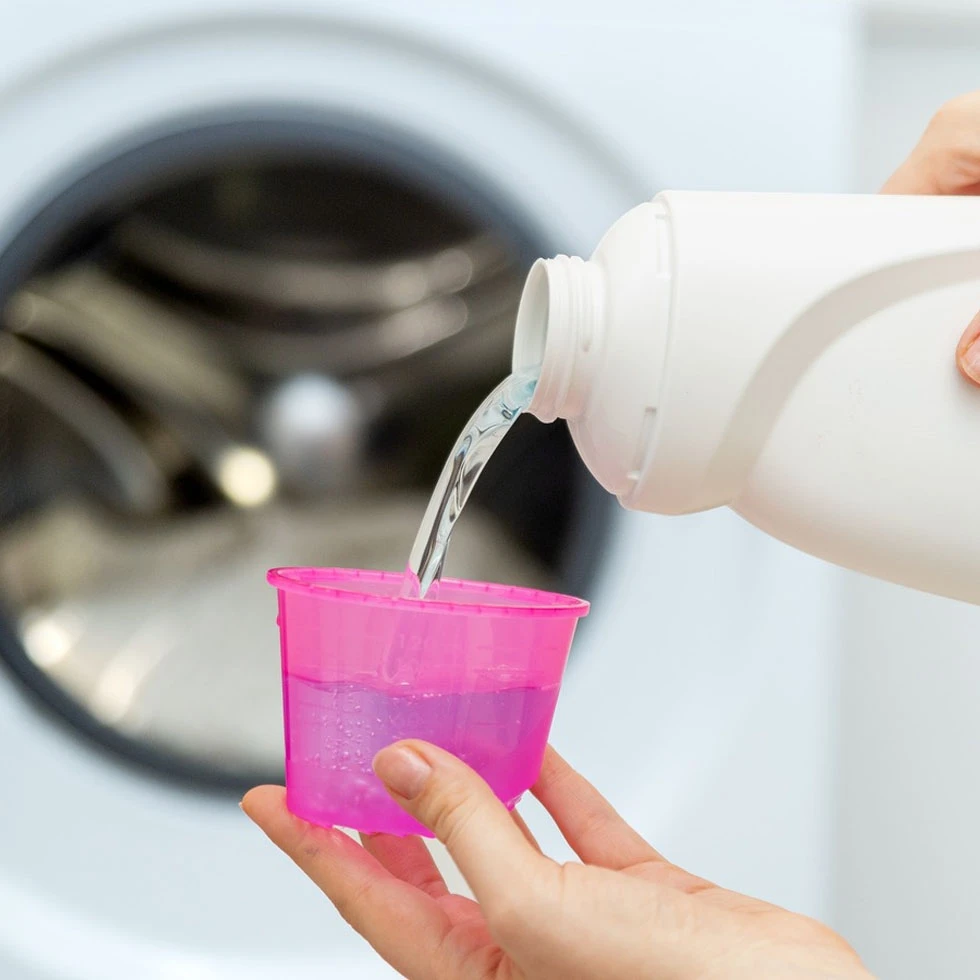
In today's fast-paced consumer market, the demand for specialized cleaning solutions continues to grow, particularly in the laundry care segment. Among the most in-demand products is front load liquid detergent, designed specifically for high-efficiency front-loading washing machines. For manufacturers, suppliers, exporters, and wholesale buyers, understanding the nuances of this niche market can open up significant growth opportunities. This blog explores the market dynamics, supplier selection criteria, and commercial potential of front load liquid detergent—providing insights tailored for B2B stakeholders.
Market Demand for Front Load Liquid Detergent
Front load washing machines are gaining traction globally due to their water and energy efficiency. As a result, the need for compatible detergents has risen significantly. Traditional powders often fail to dissolve completely in low-water settings, leaving residue and potentially damaging appliances. This is where front load liquid detergent becomes essential.
Growth Drivers
1. Rising Sales of Front Load Washing Machines: With increasing adoption in urban and semi-urban areas, the market for front load machines—and by extension, specialized detergents—is expanding rapidly.
2. Consumer Awareness: End users are becoming more educated about the importance of using the correct detergent type, further driving demand.
3. Sustainability Trends: Many liquid detergents now include eco-friendly formulations, aligning with growing environmental concerns.
4. Export Potential: Emerging markets in Asia-Pacific, Africa, and Latin America offer fertile ground for exporters of liquid laundry solutions tailored to front-loading machines.
For B2B players, understanding these trends is critical to aligning product portfolios and supply chain strategies effectively.
Supplier / Manufacturer Selection Tips
Choosing the right manufacturing or supply for Front Load Liquid Detergent can directly impact product quality, brand reputation, and profitability. Here are key factors to consider:
1. Product Formulation Expertise
Not all liquid detergents are created equal. Front load variants must be low-sudsing, biodegradable, and compatible with high-efficiency machines. Ensure the supplier has R&D capabilities to formulate detergents meeting international quality standards.
2. Regulatory Compliance
Manufacturers must comply with local and international regulations, including ingredient disclosure, safety standards, and environmental certifications (such as ISO, REACH, or GHS labeling).
3. Customization and Private Labeling
For wholesalers and exporters, the ability to offer white-label or customized formulations can be a significant competitive advantage. Choose partners who provide flexibility in packaging, fragrance, viscosity, and branding.
4. Supply Chain Capabilities
Assess the supplier’s ability to handle large-scale production, warehousing, and timely delivery. For international buyers, the availability of export documentation and logistics support is essential.
5. Pricing Transparency and MOQ Flexibility
Transparent pricing and reasonable minimum order quantities (MOQs) are critical, especially for new entrants or businesses expanding into new markets.
6. Quality Assurance and Testing
Look for partners who conduct thorough quality control, including batch testing and performance benchmarking. A high-quality front load liquid detergent should perform consistently across different water types and fabric conditions.
Bulk Buying and Export Considerations
For wholesalers and exporters, sourcing front load liquid detergent in bulk can reduce costs and enhance margins. However, attention must be given to:
· Shelf Life and Storage Requirements
· Temperature Sensitivity in Transit
· Local Consumer Preferences (fragrance, packaging sizes)
· Import Duties and Regulatory Clearances
Engaging with experienced suppliers who understand these nuances can significantly streamline operations and improve customer satisfaction.
Why Front Load Liquid Detergent is a Smart B2B Investment
Bulk buyers and distributors are increasingly adding specialized detergents to their portfolios due to:
· Higher profit margins compared to generic detergents
· Increasing demand from laundromats, hotels, and institutional buyers
· Rising consumer shift towards premium cleaning solutions
By investing in front load liquid detergent, B2B players can diversify product offerings and capture a growing segment of the laundry care market.
Frequently Asked Questions
1. What is the difference between front load and top load liquid detergent?
Front load detergents are low-sudsing and formulated for high-efficiency machines, while top load variants are designed for traditional washers and produce more suds.
2. Can I use top load detergent in a front load machine?
It’s not recommended. Top load detergents may create excess suds, leading to residue buildup and potential machine damage.
3. How can I find a reliable front load liquid detergent supplier?
Look for manufacturers with quality certifications, customization options, and proven track records in B2B distribution or export.
4. What is the typical shelf life of front load liquid detergent?
Most liquid detergents have a shelf life of 12–24 months, depending on the formulation and storage conditions.
5. Is private labeling available for front load detergents?
Yes, many suppliers offer private labeling options, which allow you to market the detergent under your brand name with custom packaging and formulation.


![Scale Your Mental Health Practice: Top U.S. Digital Marketing Agencies [2026]](/data/post/162239/c1ade43c4d65e5476c4d52e1.webp)