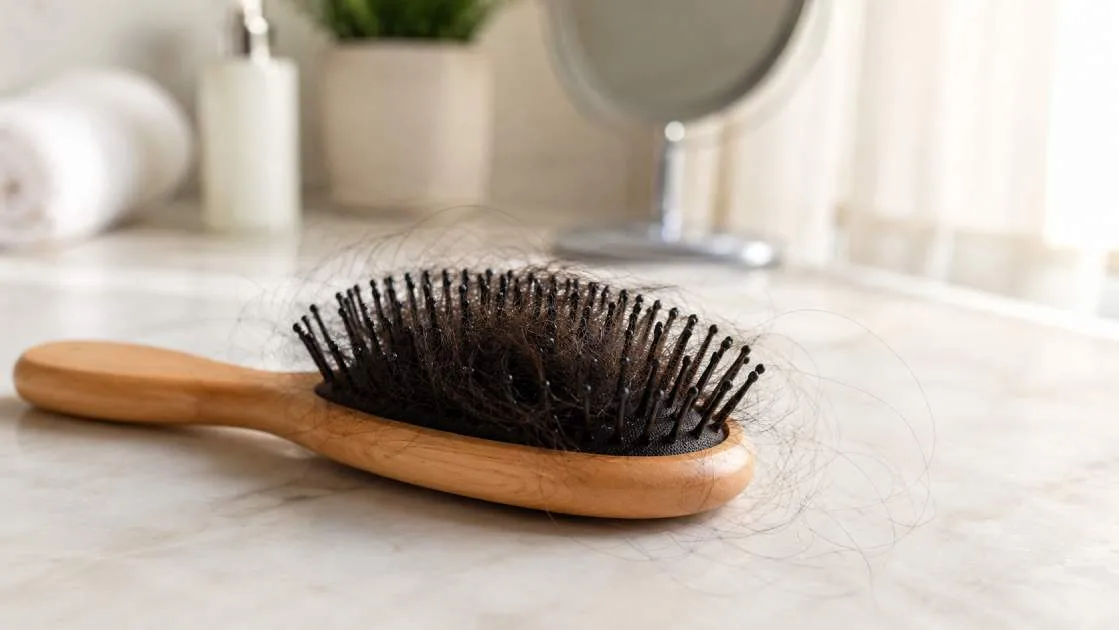
Finding a few strands of hair on your pillow, hairbrush, or shower drain is completely normal. Hair naturally goes through a growth cycle, and some shedding happens every day. However, when hair fall becomes excessive, persistent, or noticeable, it can be a sign that something more is going on.
Hair loss affects both men and women and can occur at any age. For some people, it develops gradually over time, while for others, it may happen suddenly. Regardless of how it starts, excessive hair fall can be frustrating and may affect confidence, appearance, and emotional well-being.
One of the biggest mistakes people make is assuming hair loss will stop on its own. While temporary shedding can sometimes resolve naturally, ongoing hair loss may be linked to underlying factors such as genetics, hormonal changes, nutritional deficiencies, stress, or medical conditions.
The earlier the cause is identified, the better the chances of managing hair loss effectively. Delaying treatment may allow the condition to progress, making it more difficult to restore hair density later.
In this guide, you'll learn how much hair fall is considered normal, common causes of hair loss, warning signs that should not be ignored, available treatment options, and when it may be time to consult a dermatologist.
Is Hair Fall Normal?
Many people become concerned the moment they notice hair shedding. However, some degree of hair loss is a natural part of the hair growth cycle.
How Much Hair Loss Is Normal Each Day?
Hair grows in cycles consisting of growth, transition, and resting phases. At any given time, some hairs are actively growing while others are naturally shedding to make room for new growth.
Most healthy individuals lose around 50 to 100 hairs per day as part of this normal process. Since people typically have thousands of hairs on their scalp, this amount of shedding usually goes unnoticed.
Hair shedding may become more noticeable during:
- Hair washing
- Combing or brushing
- Seasonal changes
- Periods of physical stress
Occasional increases in shedding are not always a cause for concern.
Understanding the Hair Growth Cycle
Each hair follicle follows a cycle:
Growth Phase (Anagen)
This is the active growth stage and can last several years.
Transition Phase (Catagen)
Hair growth slows and the follicle begins preparing for the resting stage.
Resting Phase (Telogen)
The hair eventually sheds, making room for new growth.
When this cycle is disrupted, excessive hair shedding or thinning can occur.
When Does Hair Fall Become a Concern?
Hair loss may require attention when you begin noticing changes beyond normal shedding.
Signs include:
- Excessive hair on your pillow
- Large amounts of hair in the shower drain
- Increased hair loss while brushing
- A widening part line
- Reduced hair volume
- Visible scalp in certain areas
If these changes continue for several weeks or months, it may be time to seek professional evaluation.
Common Causes of Hair Fall
Hair loss is not a condition itself. In many cases, it is a symptom of an underlying issue affecting the scalp, hair follicles, or overall health.
Genetic Hair Loss
One of the most common causes of hair loss is hereditary pattern hair loss.
Male Pattern Hair Loss
This often begins with a receding hairline or thinning around the crown.
Female Pattern Hair Loss
Women may notice gradual thinning, especially along the part line and top of the scalp.
Genetic hair loss usually develops slowly over time but often responds better when addressed early.
Hormonal Changes
Hormones play an important role in hair growth.
PCOS
Women with polycystic ovary syndrome (PCOS) may experience thinning hair due to hormonal imbalances.
Pregnancy and Postpartum Hair Fall
Many women experience increased hair shedding several months after childbirth.
Menopause
Hormonal fluctuations during menopause can contribute to thinning hair and reduced hair density.
Nutritional Deficiencies
Healthy hair growth depends on proper nutrition.
Common deficiencies associated with hair loss include:- Iron deficiency
- Vitamin D deficiency
- Low protein intake
- Certain vitamin and mineral deficiencies
A balanced diet is important for maintaining healthy hair growth.
Stress and Lifestyle Factors
Physical and emotional stress can affect the hair growth cycle.
Examples include:- Major illness
- Surgery
- Emotional stress
- Poor sleep quality
- Extreme dieting
Stress-related shedding is often temporary, but prolonged stress may worsen existing hair loss conditions.
Medical Conditions
Several health conditions can contribute to hair loss.
These include:
- Thyroid disorders
- Autoimmune conditions
- Scalp infections
- Chronic illnesses
Identifying and treating the underlying cause is often an important part of hair loss management.
Signs You Should See a Dermatologist for Hair Fall
Hair fall is not always a medical problem, but certain warning signs should not be ignored. Seeking professional help early can make a significant difference in identifying the cause and improving treatment outcomes.
Sudden Increase in Hair Loss
If you suddenly notice excessive hair shedding while washing, brushing, or styling your hair, it may indicate an underlying issue.
A sudden increase in hair loss can sometimes be linked to:
- Illness
- Stress
- Nutritional deficiencies
- Hormonal changes
- Certain medications
When hair loss becomes noticeably different from your normal shedding pattern, it is worth discussing with a dermatologist.
Visible Thinning of Hair
Hair thinning often develops gradually and may go unnoticed at first.
Common signs include:
- Reduced hair volume
- A wider part line
- More visible scalp
- Less density around the crown
The earlier thinning is evaluated, the more treatment options may be available.
Receding Hairline
A receding hairline is a common early sign of pattern hair loss, especially in men. Women may notice gradual thinning around the front hairline or temples.
Since hair follicles can become progressively weaker over time, early diagnosis is important.
Bald Patches on the Scalp
Patchy hair loss is not considered normal.
Bald patches may sometimes be associated with:
- Autoimmune conditions
- Scalp disorders
- Other underlying medical concerns
Prompt evaluation can help determine the cause and appropriate treatment approach.
Persistent Scalp Itching or Flaking
Hair loss accompanied by scalp symptoms should not be ignored.
Signs that may require professional attention include:
- Persistent itching
- Excessive dandruff
- Redness
- Irritation
- Scalp discomfort
Healthy hair growth depends on a healthy scalp environment.
Hair Fall That Lasts More Than 3–6 Months
Temporary shedding often improves on its own. However, hair loss that continues for several months may require medical evaluation.
Long-term shedding may indicate:
- Nutritional deficiencies
- Hormonal imbalance
- Chronic stress
- Underlying health conditions
Family History of Hair Loss
If close family members have experienced significant hair loss, your risk may be higher.
A dermatologist can help identify early signs and discuss management options before hair loss becomes more advanced.
Hair Loss Affecting Confidence or Daily Life
Hair loss is not just a cosmetic concern. It can affect self-esteem, confidence, and emotional well-being.
If hair fall is causing stress, anxiety, or affecting your quality of life, seeking professional guidance is a reasonable step.
Why Early Diagnosis Matters
Many people wait until hair loss becomes severe before consulting a specialist. Unfortunately, delayed treatment can sometimes reduce the effectiveness of available options.
Preventing Permanent Hair Loss
Certain hair loss conditions may lead to permanent follicle damage if left untreated.
Early diagnosis can help identify issues before significant hair density is lost.
Identifying Underlying Health Conditions
Hair loss can sometimes be a symptom of an underlying medical issue rather than a scalp problem alone.
Examples include:
- Thyroid disorders
- Iron deficiency
- Hormonal imbalances
- Autoimmune conditions
Addressing the root cause often plays an important role in successful treatment.
Improving Treatment Success Rates
Many hair loss treatments work best when started early.
The longer hair follicles remain affected, the more difficult it may become to restore healthy growth.
Early intervention often provides the greatest opportunity for improvement.
What Happens During a Dermatologist Consultation?
Many people delay seeking help because they are unsure what to expect during an appointment.
A hair fall consultation is usually straightforward and focused on understanding the cause of your hair loss.
Medical History Review
Your dermatologist may ask questions about:
- When hair loss started
- Family history
- Diet and nutrition
- Recent illnesses
- Stress levels
- Medications
- Existing medical conditions
These details provide important clues about possible causes.
Scalp Examination
The scalp is carefully examined to look for:
- Thinning patterns
- Inflammation
- Scaling
- Infection
- Follicle health
This helps narrow down potential causes.
Hair Pull Test
In some cases, a simple hair pull test may be performed to assess active shedding.
The test helps evaluate whether excessive hair is currently being lost.
Blood Tests (When Needed)
Blood tests may be recommended if nutritional deficiencies, hormonal issues, or medical conditions are suspected.
Common areas evaluated may include:
- Iron levels
- Vitamin deficiencies
- Thyroid function
- Hormonal markers
Not every patient requires testing.
Personalized Diagnosis
After evaluation, the dermatologist develops a diagnosis based on your symptoms, examination findings, and medical history.
A personalized treatment plan is then created according to your specific needs.
Hair Fall Treatment Options Explained
Hair fall treatment depends entirely on the underlying cause. There is no single solution that works for everyone.
Lifestyle and Nutritional Support
Many people benefit from improving overall health habits.
Recommendations may include:
- Balanced nutrition
- Adequate protein intake
- Proper hydration
- Better sleep quality
- Stress management
Lifestyle improvements can support healthy hair growth alongside medical treatment.
Medications Recommended by Dermatologists
Depending on the diagnosis, medications may be recommended to help slow hair loss or support hair growth.
The most appropriate option depends on the individual's condition, age, medical history, and treatment goals.
Treatment recommendations should always be personalized rather than based on internet trends.
PRP Therapy
Platelet-Rich Plasma (PRP) therapy is a commonly discussed option for certain types of hair loss.
The procedure involves using components derived from the patient's own blood and introducing them into targeted scalp areas.
PRP may be recommended as part of a broader treatment plan depending on the diagnosis.
Hair Growth Treatments
Dermatologists may recommend various hair growth treatments based on:
- Hair loss severity
- Scalp condition
- Individual goals
- Response to previous treatments
Treatment plans often vary from person to person.
Scalp Care and Management
Healthy hair growth starts with a healthy scalp.
Managing issues such as:
- Dandruff
- Inflammation
- Scalp irritation
- Infections
can be an important part of treatment.
Combination Treatment Plans
Hair loss often has multiple contributing factors.
For this reason, dermatologists frequently combine:
- Lifestyle improvements
- Medical treatments
- Scalp care
- Advanced therapies
to achieve the best possible outcomes.
Can Hair Fall Be Reversed?
One of the most common questions people ask is whether hair loss can be reversed. The answer depends on the underlying cause, how long the hair loss has been occurring, and how early treatment begins.
In many cases, hair fall can be managed effectively, and some people may experience improved hair growth after appropriate treatment. However, results vary from person to person, and not every type of hair loss responds the same way.
Factors That Influence Results
Several factors can affect treatment outcomes:
Cause of Hair LossHair loss caused by nutritional deficiencies, stress, hormonal changes, or certain medical conditions may improve once the underlying issue is addressed.
Duration of Hair LossThe earlier treatment begins, the better the chances of preserving hair density and supporting healthy growth.
Overall HealthGeneral health, diet, scalp condition, and lifestyle habits can all influence hair growth and treatment success.
Consistency With TreatmentHair growth takes time. Following your dermatologist's recommendations consistently is often important for achieving the best results.
Conditions That May Respond Well to Treatment
Some common hair loss conditions can often be managed effectively when diagnosed early.
These may include:
- Nutritional deficiency-related hair loss
- Stress-related shedding
- Certain hormonal causes of hair fall
- Early-stage pattern hair loss
The response to treatment varies depending on the individual and the specific diagnosis.
Importance of Follow-Up Care
Hair growth is a gradual process. Regular follow-up appointments allow treatment plans to be adjusted based on progress and changing needs.
Monitoring results over time can help improve long-term outcomes.
Tips to Reduce Hair Fall Naturally
While not all hair loss can be prevented, healthy habits may help support scalp health and reduce avoidable hair shedding.
Eat a Balanced Diet
Hair follicles require nutrients to grow and function properly.
Focus on a balanced diet that includes:
- Protein-rich foods
- Iron-rich foods
- Fruits and vegetables
- Healthy fats
A well-balanced diet supports overall hair health.
Manage Stress
Stress can influence the hair growth cycle and contribute to increased shedding.
Simple stress-management strategies may include:
- Regular exercise
- Meditation
- Relaxation techniques
- Adequate sleep
Reducing stress supports both physical and emotional well-being.
Avoid Excessive Heat and Chemical Treatments
Frequent use of:
- Hair straighteners
- Curling tools
- Harsh chemical treatments
can contribute to hair damage and breakage.
Using heat styling tools in moderation may help protect hair quality.
Maintain Scalp Health
Healthy hair starts with a healthy scalp.
Consider:
- Regular cleansing
- Managing dandruff
- Avoiding excessive scratching
- Using suitable hair care products
Scalp care plays an important role in maintaining healthy hair growth.
Seek Treatment Early
One of the most effective ways to protect hair health is to seek professional advice when hair loss becomes noticeable.
Early diagnosis often allows for more treatment options and better long-term management.
Frequently Asked Questions
When should I worry about hair fall?
You should consider professional evaluation if you notice excessive shedding, visible thinning, bald patches, a receding hairline, or hair loss that continues for several months.
Can a dermatologist stop hair loss?
A dermatologist can help identify the underlying cause of hair loss and recommend appropriate treatment options. Success depends on the specific condition and how early treatment begins.
What tests do dermatologists do for hair fall?
Depending on your symptoms, a dermatologist may perform a scalp examination, hair pull test, and recommend blood tests to evaluate factors such as nutrition, thyroid function, or hormonal health.
Is hair fall always related to stress?
No. While stress can contribute to hair shedding, hair loss may also be linked to genetics, hormonal changes, nutritional deficiencies, medical conditions, or scalp disorders.
Can vitamin deficiencies cause hair loss?
Yes. Deficiencies in nutrients such as iron, vitamin D, and protein may contribute to hair loss in some individuals.
How long does hair fall treatment take to show results?
Hair growth is gradual. The timeline varies depending on the cause of hair loss and the treatment plan recommended by your dermatologist.
Is PRP effective for hair fall?
PRP therapy may be recommended for certain types of hair loss. Whether it is appropriate depends on the individual's diagnosis and treatment goals.
Can hair grow back after thinning?
In some cases, hair growth may improve after addressing the underlying cause and following a suitable treatment plan. Results vary based on the type and severity of hair loss.
Final Thoughts
Hair fall is a common concern, but persistent or excessive hair loss should not be ignored. While some shedding is part of the normal hair growth cycle, ongoing hair loss may indicate an underlying issue that requires attention.
The good news is that many causes of hair fall can be identified and managed with timely evaluation and appropriate treatment. Understanding the cause is often the first step toward finding the most suitable solution.
If you notice sudden shedding, visible thinning, bald patches, or hair loss that continues for several months, consulting a dermatologist can help provide clarity and guidance. At Dr. Rashmi Skin Clinic, we offer personalized hair and scalp assessments to identify the cause of hair loss and recommend treatment options tailored to individual needs.