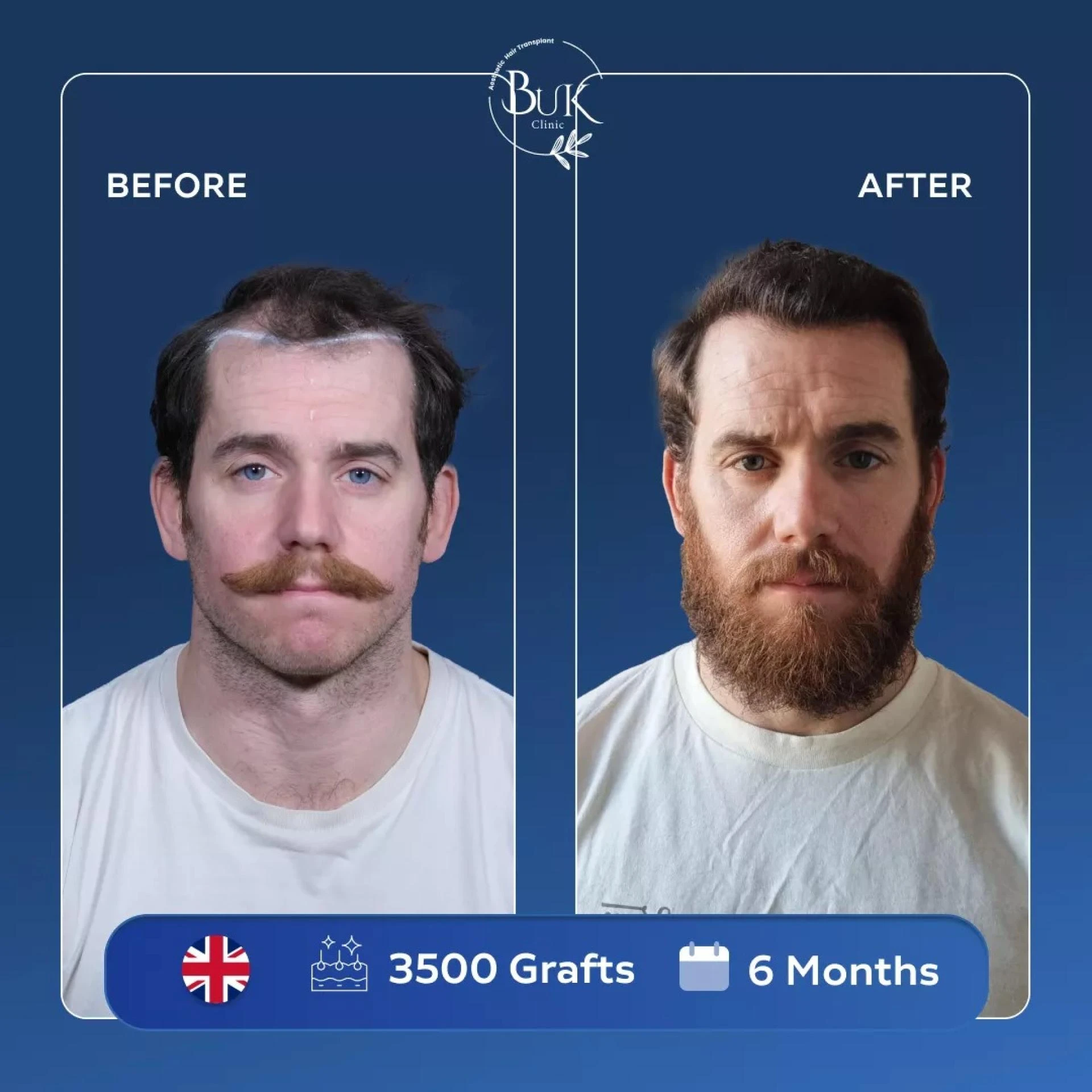
Hair loss is a common concern that affects millions of people worldwide, and addressing it effectively requires understanding the underlying causes. A hair transplant in Turkey has become one of the most popular solutions due to its affordability, advanced techniques, and high success rates. Before considering a hair transplant, it is crucial to understand why hair loss occurs, as this knowledge can influence both the procedure and long-term outcomes.
Genetic Factors
The most common cause of hair loss is genetics. Androgenetic alopecia, also known as male or female pattern baldness, is inherited and typically manifests as a receding hairline in men or thinning on the crown and part line in women. Genetics determine the sensitivity of hair follicles to hormones like dihydrotestosterone (DHT), which gradually shrinks follicles, resulting in thinner hair and eventual hair loss.
Patients seeking a hair transplant in Turkey for genetic hair loss often benefit from the advanced techniques used in local clinics. Methods such as Follicular Unit Extraction (FUE) or Direct Hair Implantation (DHI) focus on relocating healthy follicles from areas resistant to DHT to thinning regions. Understanding the genetic nature of hair loss helps both surgeons and patients set realistic expectations for density and coverage after the procedure.
Medical Conditions
Certain medical conditions can trigger hair loss, making it necessary to identify and manage these issues before undergoing a hair transplant Turkey. Conditions such as thyroid disorders, anemia, autoimmune diseases like alopecia areata, and hormonal imbalances can contribute to excessive shedding. Additionally, medications for chronic illnesses or chemotherapy treatments may result in temporary or permanent hair loss.
Clinics in Turkey emphasize comprehensive consultations to assess medical history and ensure the patient is suitable for transplantation. Addressing underlying medical issues before surgery improves the chances of success, as transplanted follicles thrive better in a stable health environment. Pre-surgery tests and evaluations are standard procedures to minimize complications and optimize results.
Stress and Lifestyle Impacts
Lifestyle choices and stress levels can significantly affect hair health. High stress can trigger telogen effluvium, a condition where hair follicles prematurely enter the resting phase, causing widespread shedding. Poor nutrition, smoking, excessive alcohol consumption, and irregular sleep patterns can further weaken hair structure.
For individuals considering a hair transplant in Turkey, understanding these lifestyle impacts is crucial. Surgeons often recommend lifestyle adjustments both before and after surgery to ensure the transplanted hair follicles remain healthy and grow effectively. Patients who follow dietary guidelines, manage stress, and maintain a consistent hair care routine often experience better and longer-lasting results.
Environmental Factors
Environmental elements such as pollution, exposure to harsh chemicals, and extreme weather conditions can accelerate hair damage and loss. Over time, these factors may contribute to weakened follicles, breakage, and thinning. UV exposure, chlorine from swimming pools, and harsh hair treatments can all compromise scalp health.
A hair transplant in Turkey addresses hair loss by relocating resilient follicles to affected areas, but protecting the scalp from environmental damage post-surgery is equally important. Clinics provide patients with care instructions that include avoiding direct sunlight, using gentle hair products, and preventing exposure to harmful chemicals during the healing phase. This proactive approach helps preserve both natural and transplanted hair.
Assessing Suitability for Transplant
Not every individual experiencing hair loss is an immediate candidate for a hair transplant in Turkey. Suitability depends on factors like the extent of hair loss, donor hair availability, age, and overall health. Individuals with adequate donor hair, stable hair loss patterns, and realistic expectations typically achieve the best outcomes.
During pre-surgery consultations, Turkish clinics evaluate scalp condition, hair density, and potential risks. Patients are guided through different transplant techniques such as FUE, which extracts individual follicles, or DHI, which allows precise implantation at optimal angles. Both methods aim to provide natural-looking results, but suitability assessments ensure that the procedure is tailored to the patient’s specific needs.
Preparation and Recovery Considerations
Proper preparation before a hair transplant enhances success rates. Patients are often advised to avoid smoking, alcohol, and certain medications in the weeks leading up to surgery. Gentle scalp care and nutrition plans are also recommended to strengthen hair follicles.
Post-transplant care is equally crucial. Patients should follow instructions for washing, avoiding direct sun exposure, and refraining from strenuous activities to protect the newly implanted follicles. Clinics in Turkey provide detailed guidance on monitoring growth progress and scheduling follow-up visits to assess results. The combination of preparation, expert surgical techniques, and post-operative care contributes to the high success rates observed in hair transplant procedures in Turkey.
Cost and Planning Advantages
Turkey has emerged as a global hub for hair restoration due to its cost-effective procedures without compromising quality. Patients can achieve results comparable to those in other countries at a fraction of the price. This affordability, combined with access to skilled surgeons and advanced techniques, makes Turkey a preferred destination for individuals seeking hair restoration.
Planning a hair transplant in Turkey involves selecting a reputable clinic, understanding procedure options, and arranging travel and accommodation. Comprehensive planning ensures that patients experience a smooth process from consultation to recovery, ultimately leading to satisfying outcomes.
Conclusion
Understanding the cause of hair loss is essential for anyone considering a hair transplant in Turkey. Genetic factors, medical conditions, stress, lifestyle, and environmental influences all play a role in hair thinning and shedding. By identifying the underlying cause, patients and surgeons can choose the most appropriate technique and follow a plan that maximizes results.
Turkey’s expertise in hair restoration, combined with modern techniques like FUE and DHI, provides patients with natural, long-lasting solutions at an affordable price. Proper preparation, adherence to post-operative care, and realistic expectations ensure that a hair transplant is not only effective but also sustainable. Knowing the cause of hair loss allows individuals to make informed decisions and achieve optimal results from their hair transplant journey in Turkey.