
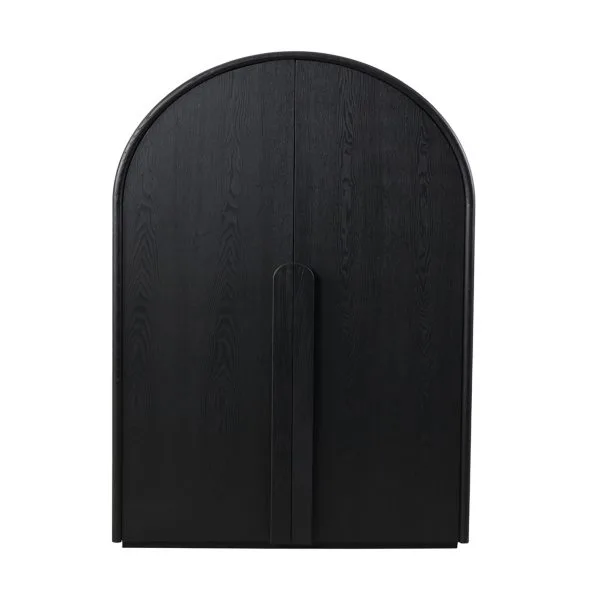
A clutter-free interior can make a home feel more spacious, organised and comfortable. Creating this type of environment does not mean removing everything from a room. Instead, it involves choosing practical storage solutions, arranging furniture thoughtfully and giving everyday belongings a defined place. With a few simple styling principles, it is possible to create an interior that feels calm while still reflecting personal taste.
Start With a Simple Decluttering Routine
Before changing the furniture or adding decorative pieces, begin by assessing what is already in the room. Separate belongings into items that are regularly used, occasionally needed and no longer useful. This makes it easier to identify what should remain visible and what can be stored away.
Keep Surfaces Clear
Open surfaces can quickly become crowded with books, paperwork, accessories and small household items. Keep frequently used surfaces as clear as possible and group similar belongings together. A small tray or organiser can help contain everyday items without making the room appear untidy.
It is also useful to avoid filling every available surface with decorations. Leaving some open space allows furniture and decorative features to stand out more naturally.
Choose Storage That Complements the Room
Good storage should be practical while fitting naturally into the overall interior. Display Cabinets can provide an effective way to organise selected belongings while keeping them visible and protected. They can be particularly useful for displaying books, glassware, artwork, collectables or decorative objects without allowing these items to spread across different surfaces.
Create Balance With Open and Closed Storage
A combination of open and concealed storage can help maintain visual balance. Open shelving can be used for carefully selected decorative pieces, while closed compartments are better suited to items that do not need to remain on display.
When arranging shelves, avoid placing too many objects together. Leave small areas of empty space between groups to create a cleaner appearance. Similar colours, materials or shapes can also be grouped together to create a more cohesive arrangement.
Make Furniture Work Harder
Furniture placement plays an important role in keeping a room organised. Instead of filling a space with multiple pieces, consider how each item contributes to the room's function.
Consider the Flow of the Room
Arrange furniture so there is enough room to move comfortably between different areas. Clear pathways can make even a compact room feel more open. Avoid placing unnecessary furniture near doorways or in frequently used walking areas.
Multi-purpose furniture can also help reduce clutter. For example, an ottoman with storage can provide seating while giving smaller belongings a dedicated place. Similarly, a console can combine decorative styling with useful storage.
Use Decorative Items With Intention
Decorative accessories can add personality without making a room feel crowded. Choose a small number of pieces that complement the room rather than displaying every item at once.
Follow a Consistent Colour Palette
Using a restrained colour palette can make an interior appear more organised. Neutral foundations can be combined with a few accent colours through cushions, artwork, rugs or decorative accessories. Repeating similar tones throughout the room helps create visual consistency.
Natural materials can also add warmth without requiring excessive decoration. Timber, woven textures, ceramics and soft fabrics can introduce character while maintaining a relaxed appearance.
Build a Regular Organisation Habit
Keeping a home clutter-free is easier when organisation becomes part of a regular routine. Spend a few minutes each day returning items to their designated places. At the end of each week, review areas that tend to collect clutter, such as entryways, kitchen benches and living room surfaces.
A useful approach is to follow the principle of having a place for everything. When each belonging has a specific storage location, tidying becomes quicker and less demanding.
Create a Calm and Functional Interior
A well-organised interior is not necessarily minimal. The aim is to create a space where furniture, storage and decoration work together without overwhelming the room. By reducing unnecessary items, selecting practical storage, maintaining clear surfaces and styling thoughtfully, homeowners can create interiors that feel comfortable and inviting.
The most effective approach is to make changes gradually. Focus on one room or area at a time, assess what works and adjust the arrangement as daily needs change. This allows the home to remain practical while maintaining a clean and considered appearance. Learn More