
The UAE construction industry is undergoing a digital transformation. Building Information Modeling (BIM), AI-powered quality control, and smart monitoring systems are no longer future concepts — they are active tools being deployed on major projects across Dubai and Abu Dhabi right now. And this transformation is fundamentally changing how rebar is specified, ordered, and used on site.
What Is BIM and Why Does It Matter for Rebar?
BIM is a digital process that creates detailed 3D models of a building or infrastructure project before construction begins. These models contain precise geometric, structural, and material data — including exact rebar schedules, bar bending diagrams, and placement coordinates.
For rebar procurement and fabrication, BIM means one thing above all else: precision. Instead of approximate estimates and manual recalculations on site, project teams can now generate exact cut lists and bending schedules directly from the model. This eliminates waste, reduces site errors, and speeds up installation significantly.
The Rise of Cut & Bend Rebar in UAE Projects
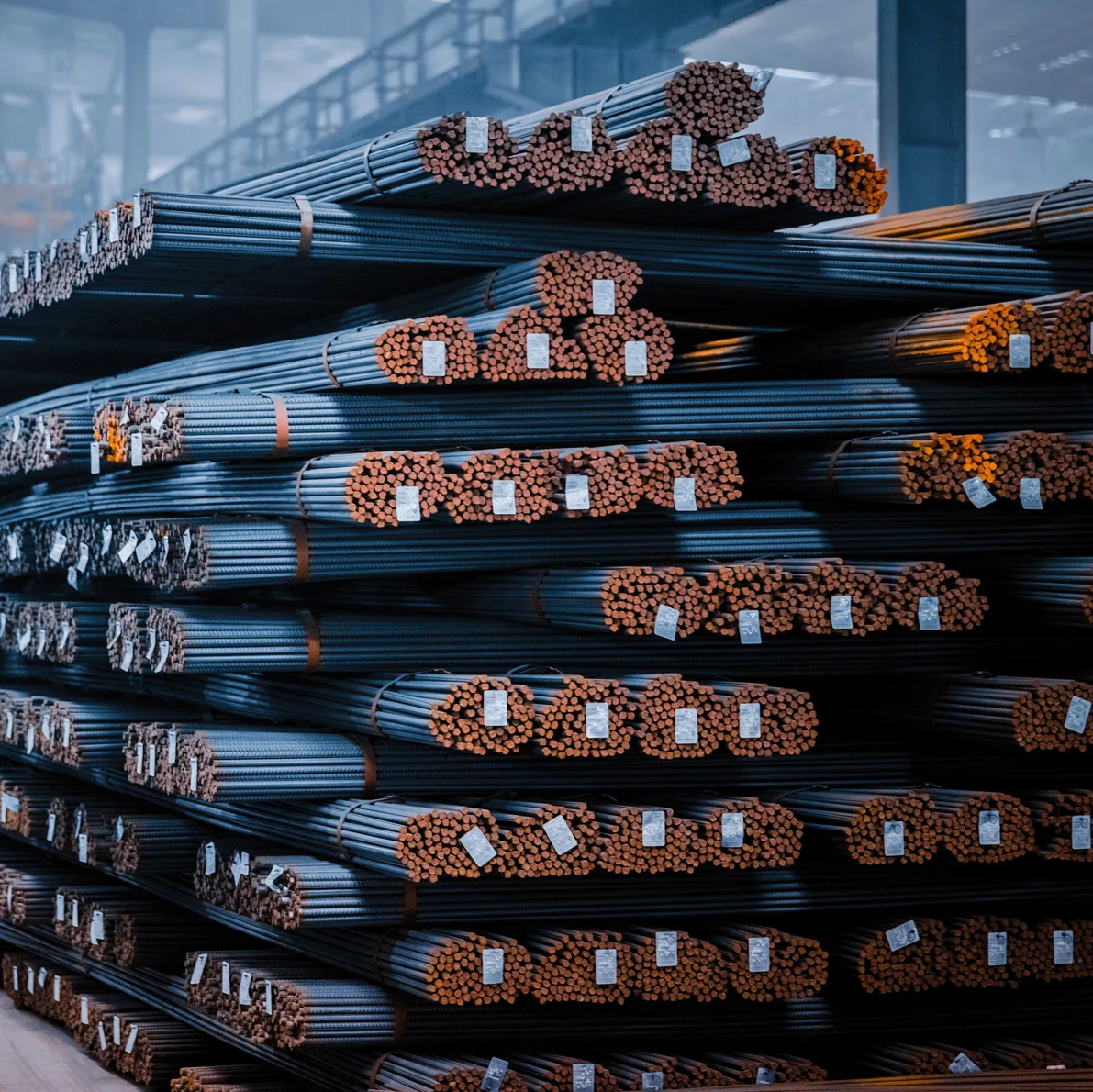
As BIM adoption grows, so does the demand for pre-cut and pre-bent rebar delivered to project-ready specifications. Rather than cutting and bending bars manually on site — a time-consuming and error-prone process — contractors are increasingly ordering factory-fabricated rebar that arrives ready to install.
The benefits are substantial:
• Reduced material waste — bars are cut to exact lengths, with offcuts minimized
• Faster installation — no on-site cutting or bending delays
• Improved accuracy — factory fabrication is more precise than manual site work
• Better safety — fewer cutting tools and operations on the construction floor
• Cleaner sites — less scrap material accumulation
Gulf Steel Industries’ cut and bend reinforcement service produces bars to project-specific requirements, working directly from bar bending schedules provided by the client or their structural engineer.
Smart Monitoring: Steel That Works Harder Over Time
Beyond the construction phase, smart monitoring technology is entering the picture. Sensors embedded in structural concrete can track stress, strain, temperature, and humidity over the life of a building. These systems help engineers identify potential structural issues before they become serious problems.
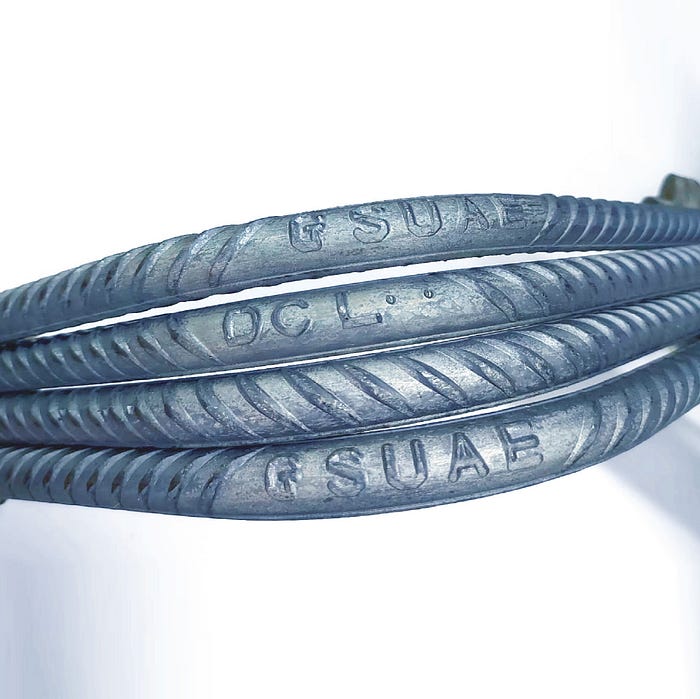
For rebar manufacturers, this trend highlights the importance of material consistency. Smart monitoring data is only meaningful if the underlying steel meets tight tolerances for yield strength, ductility, and bar geometry. Certified rebar from a quality-controlled manufacturer is a prerequisite for accurate structural monitoring.
BIM Mandates Are Expanding in the UAE
The UAE government has mandated BIM for tall buildings in Dubai, and adoption is expanding across Abu Dhabi and other emirates. This regulatory push means that contractors and consultants who have not yet integrated BIM into their workflows will need to do so soon.
For steel suppliers and fabricators, the implication is clear: the ability to supply precision-fabricated rebar that aligns with BIM outputs is becoming a competitive necessity, not just a value-add.
Partnering With a Manufacturer Ready for the Digital Age
Technology adoption in construction is accelerating, and the supply chain must keep pace. Gulf Steel Industries combines decades of manufacturing expertise with the technical capability to fulfill precision cut and bend orders that align with modern BIM-driven project workflows.
Whether your project is a high-rise tower in Dubai or an infrastructure corridor in Abu Dhabi, we deliver the precision and consistency that today’s smart construction demands.