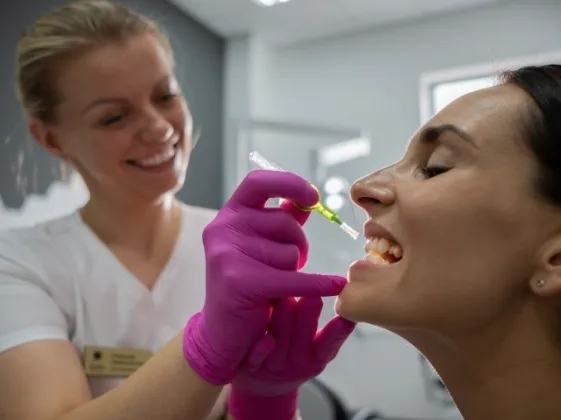
Gum recession occurs when the gum tissue surrounding a tooth pulls back, exposing more of the tooth or its root. This change can lead to sensitivity, visible root surfaces, and a greater risk of root decay. Seeking Periodontist, Fairfax VA care can help patients understand why their gums are receding and which treatments may help protect their oral health. Early evaluation is important because the appropriate approach depends on the cause, severity, and condition of the affected teeth and gums.
What Is Gum Recession?
Healthy gum tissue helps protect the roots of teeth and supports the structures that keep teeth stable. When the gums recede, the protective tissue moves away from its usual position, exposing areas that are normally covered.
Gum recession can affect one tooth or several teeth. Some people notice that their teeth look longer, while others experience sensitivity when eating or drinking something cold, hot, or sweet. In certain cases, recession develops gradually without obvious discomfort.
Although gum recession is common, it should not be ignored. Exposed roots do not have the same protective enamel covering as the visible crowns of teeth, making them more vulnerable to sensitivity and decay. A dental professional can assess the affected areas and recommend suitable care.
What Causes Gums to Recede?
Several factors can contribute to gum recession, and more than one may be involved in an individual case.
Gum Disease
Periodontal disease develops when bacteria and inflammation affect the tissues supporting the teeth. As the condition progresses, it can damage gum tissue and the underlying bone, potentially leading to recession, loose teeth, or tooth loss.
Early gum disease may cause redness, swelling, or bleeding during brushing. More advanced disease can sometimes progress with limited discomfort, which makes routine dental examinations important.
Brushing Too Aggressively
Brushing with excessive pressure or using a hard bristled toothbrush may contribute to gum tissue damage over time. A gentle technique and a soft bristled toothbrush can help reduce unnecessary irritation.
Cleaning between the teeth is also important. The goal is to remove plaque consistently without injuring the gums through forceful brushing or improper use of cleaning tools.
Tooth Position and Grinding
Teeth that sit outside the natural dental arch may have thinner surrounding gum tissue in certain areas. This can increase the likelihood of recession in some individuals.
Clenching or grinding can also place excessive forces on teeth and their supporting structures. Although grinding does not explain every case of gum recession, a dentist may evaluate bite forces and related signs when planning treatment.
Other Contributing Factors
Genetics, tobacco use, previous periodontal problems, and changes in oral health can influence gum condition. Some patients may have naturally thin gum tissue that is more susceptible to recession.
Identifying the contributing factors helps guide treatment and may reduce the chance of further tissue loss.
How Is Gum Recession Evaluated?
A dental examination allows the provider to measure the extent of recession and assess the condition of the surrounding tissues. The dentist may check for gum inflammation, plaque buildup, bleeding, pockets around the teeth, and changes in tooth stability.
Dental X rays may be recommended when there is concern about bone loss or periodontal disease. The findings help distinguish isolated recession from a broader problem affecting the supporting structures.
Your provider may also ask about brushing habits, tobacco use, sensitivity, previous dental treatment, and teeth grinding. This information helps create a plan that addresses both the visible recession and any underlying causes.
What Treatments May Help Manage Gum Recession?
Treatment depends on whether recession is stable, whether gum disease is present, and how much tissue has been lost. Not every case requires surgery.
Improving Daily Oral Hygiene
When aggressive brushing or plaque buildup contributes to gum irritation, changes in daily care may help protect the remaining tissue. Your dental provider can demonstrate a gentle brushing technique and recommend suitable cleaning tools.
Professional cleanings can remove hardened deposits that cannot be removed through ordinary brushing. Consistent home care helps manage plaque and supports gum health, although it cannot regrow gum tissue that has already been lost.
Treating Periodontal Disease
If gum recession is associated with periodontal disease, treatment may include professional removal of plaque and tartar below the gumline. Depending on the severity, a deep cleaning procedure called scaling and root planing may be recommended.
Follow up visits help determine whether the gums are responding and whether additional treatment is needed. Managing periodontal disease can help control inflammation and protect the remaining supporting structures.
Gum Grafting Procedures
For selected cases of recession, a gum graft may be considered. This procedure adds tissue to an affected area to help cover an exposed root or improve the thickness of the gum tissue.
The suitability of grafting depends on factors such as the location of the recession, the condition of the surrounding gums, and the patient's oral health. A specialist can explain the potential benefits, limitations, healing process, and expected results.
How Can You Help Prevent Further Gum Recession?
Daily habits play an important role in maintaining gum health. Brush twice a day with a soft bristled toothbrush, use gentle pressure, and clean between your teeth every day. Attend routine dental visits at the interval recommended for your needs.
Avoid tobacco products, and discuss persistent teeth grinding or clenching with your dentist. If you notice bleeding gums, increasing sensitivity, visible root surfaces, or changes in the position of your teeth, arrange an evaluation rather than waiting for symptoms to worsen.
Early attention can help identify treatable causes and protect the tissues that support your teeth.
Personalized Gum Care in Fairfax
Gum recession can have several causes, so treatment should be based on a careful assessment rather than a one size fits all approach. Understanding the condition early can help patients explore suitable options for managing inflammation, reducing sensitivity, and protecting exposed tooth roots.
Naturadent emphasizes patient education, preventive care, and individualized treatment planning. Patients can discuss changes in their gums, receive an evaluation of their oral health, and learn about appropriate next steps for maintaining healthy teeth and supporting tissues.
Naturadent, P.C. / Don Kang, DMD9
508A Lee Highway
Fairfax, VA 22031
United States
+1 (703) 652-4265
How Can Periodontist, Fairfax VA Care Help Address Gum Recession