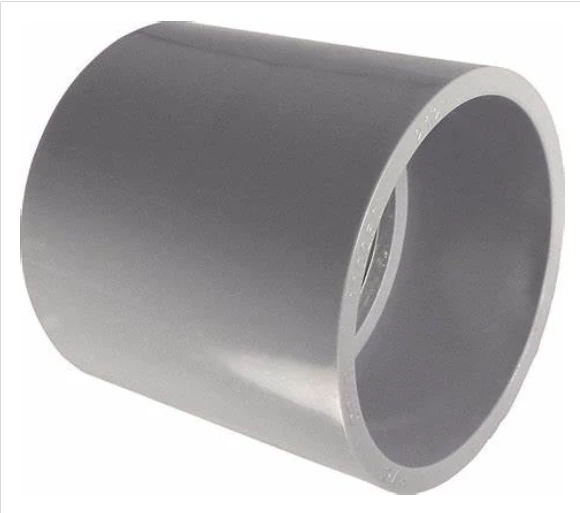
The PVC electrical conduit coupling is an important part of any electrical setup. These connectors join different sections of conduit, forming a safe path for wires. They prevent wires from being exposed, damaged, or accidentally pulled out. Using the right couplings makes wiring safer, reduces maintenance, and keeps electrical systems working properly in homes, offices, and factories. Proper couplings are essential for secure, long-lasting installations that meet safety standards.
How Couplings Protect Wiring
Conduits are tubes that hold wires. Without proper connections, gaps between conduit sections can leave wires exposed. PVC couplings close these gaps, creating a smooth and secure path for wires.
By holding conduits tightly, couplings stop wires from bending too much, which can damage insulation and cause short circuits. They also keep moisture, dust, and small debris out, protecting wires from long-term damage. Even in areas with vibration or movement, couplings maintain alignment and prevent wires from rubbing against conduit edges, which could wear them down over time.
Different Types for Different Needs
PVC couplings come in several kinds. Slip couplings let conduit ends slide in easily, making them good for repairs or extensions. Threaded couplings give stronger, more permanent connections for areas that need extra support. Reducing couplings connects conduits of different sizes safely.
Choosing the right coupling is important. Using a small slip coupling for heavy wiring can be unsafe, while a threaded coupling may be unnecessary for a small project. Specialty couplings can also help when wiring needs to navigate corners or different pipe sizes. Picking the right one reduces risk, keeps the system working longer, and ensures a tidy, professional-looking installation.
Advantages Over Loose Connections
PVC couplings are safer than taped or loose joints. They create a firm connection, preventing movement that can damage wires. Loose joints can also cause electrical failures or fire hazards.
Couplings make maintenance easier. If a conduit section needs replacement, you can remove it without disturbing the whole system. This saves time, cuts costs, and keeps wiring safe during repairs. Using couplings also reduces the chances of accidental disconnections during construction or renovation work.
Installation Tips for Maximum Safety
Proper installation is key. Clean conduit ends before inserting them into the coupling. Apply the recommended adhesive and push the conduits in fully to form a tight fit.
Do not force the conduit into a too-small coupling, as this can crack the plastic or misalign the joint. For long runs, use multiple couplings at intervals for stability and to stop conduits from sagging. In areas with high vibration, securing conduits with supports along with couplings ensures that wiring remains protected. Always follow manufacturer guidelines and local electrical codes for the best results.
Everyday Applications
PVC couplings are used in homes, offices, and factories. They support wiring for lights, outlets, HVAC systems, and control panels. In older systems, couplings let new conduit sections join safely with existing ones.
They are particularly useful in retrofit projects where conduit layouts may be irregular. For example, installing additional lighting in an office or adding power circuits to a workshop often requires couplings to connect new runs with old conduit. By keeping conduits aligned and connected, couplings prevent accidental disconnections and make the system easier to maintain. They also reduce the risk of electrical hazards caused by exposed or damaged wires.
Long-Term Reliability
Good couplings stay strong over time. They resist cracking and keep wires safe, even with stress or temperature changes. Regular checks make sure joints stay tight. High-quality couplings maintain alignment even in heavy-use areas, ensuring that wiring does not sag or pull out.
Couplings also make adjustments easier. If a system needs expansion or repair, sections can be disconnected and reconnected without damaging the rest of the installation. This flexibility reduces downtime and extends the lifespan of the wiring system.
Tips for Enhanced Safety
For extra protection, combine couplings with supports like clips or brackets. Avoid running wires too tightly through conduit, and always use the correct coupling size for each section. In long conduit runs, using more than one coupling improves stability and reduces stress on wires.
If you are working in industrial or high-traffic areas, regularly inspect conduit joints to make sure couplings remain tight. Loose or damaged couplings should be replaced immediately to prevent electrical hazards. Proper installation and routine checks keep wiring safe and functional.
Last Words:
PVC electrical conduit couplings are key for safe wiring. They keep conduits aligned, protect wires, and make maintenance easier. Using them with supporting components, such as pipe hangers, keeps wires organized, stable, and secure. By selecting the right type of coupling, installing it correctly, and checking periodically, homeowners and professionals can achieve reliable and long-lasting electrical installations. Properly installed couplings prevent wire damage, reduce maintenance needs, and ensure electrical systems remain safe and functional for years.
Use PVC electrical conduit couplings in your next project to secure wiring safely. Pick the right type, follow instructions carefully, and inspect regularly. Proper use keeps electrical systems safe, organized, and reliable for many years.