
In today’s fast-evolving digital economy, the ability to engage in seamless cross-border trade is more critical than ever. The eTRADE Programme 2.0 is stepping up as a game-changer in this space, driving a new wave of digital transformation that is making global trade more inclusive, efficient, and accessible to businesses of all sizes.
The core aim of eTRADE Programme 2.0 is to empower developing countries and small businesses to fully participate in the digital trade landscape. Traditionally, small and medium-sized enterprises (SMEs) have faced significant barriers when entering global markets, including lack of digital infrastructure, limited technical know-how, and complex international trade procedures. eTRADE 2.0 is working to break down these barriers by providing practical support, building digital skills, and creating opportunities for smoother international e-commerce operations.
One of the key ways this programme is transforming global digital trade is by focusing on digital readiness. It promotes the development of better digital policies, infrastructure, and training programs that prepare businesses to compete in a global digital marketplace. This not only supports businesses in gaining technical expertise but also boosts confidence in using digital tools for cross-border transactions.
Another significant contribution of eTRADE Programme 2.0 is its effort to make digital trade more inclusive. The programme places special emphasis on empowering women, youth, and entrepreneurs from developing countries. By targeting these often underrepresented groups, eTRADE 2.0 helps unlock new economic potential and encourages diverse participation in international trade.
Additionally, eTRADE 2.0 supports the creation of more integrated digital ecosystems. By promoting cooperation among governments, businesses, and international organizations, it is helping to establish clearer digital trade regulations, build trust in online marketplaces, and develop cross-border payment solutions that are faster and more secure. These improvements directly address some of the most common challenges faced in global e-commerce, such as payment delays and lack of transparency.
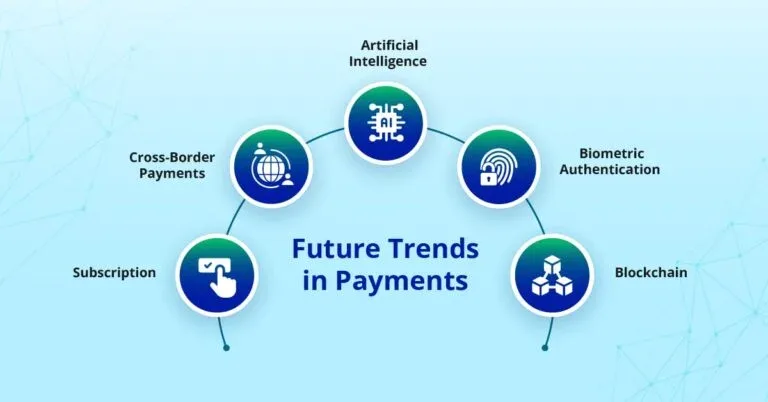
What makes eTRADE Programme 2.0 particularly impactful is its forward-looking approach. It not only focuses on the present digital trade environment but also anticipates future trends, such as the growing importance of data-driven decision-making, artificial intelligence, and sustainable e-commerce practices. This proactive mindset ensures that the programme remains relevant in the fast-changing digital world.
In summary, eTRADE Programme 2.0 is playing a vital role in transforming the global digital trade landscape. By empowering small businesses, promoting digital inclusion, and building stronger digital trade ecosystems, it is opening doors for more participants to engage confidently and successfully in the international market. As global commerce continues to shift towards digital platforms, initiatives like eTRADE 2.0 will undoubtedly shape the future of cross-border trade.