A yard can have plenty of open space and still feel disorganized. Lawn may blend into garden beds, pathways may be unclear, and certain areas can remain unused because there is no defined way to access them. Adding carefully planned hardscape features can give these spaces a clearer arrangement while making the property more practical.
For homeowners considering a Hardscaping service in Halifax, the goal is not simply to add paved surfaces. Walkways, patios, borders, steps, and other features can divide different parts of a yard and give each area a clear purpose.
Define Different Areas of the Yard
One of the simplest ways hardscaping adds structure is by creating clear boundaries.
A paved sitting area can separate an entertaining space from the lawn, while a defined border can distinguish a garden from surrounding grass. These changes can make a property easier to understand visually without requiring major changes to the entire yard.
The features should follow the existing layout rather than forcing an unnatural arrangement.
Create Clear Walkways
A pathway provides more than a route from one point to another.
It can guide movement through the property and connect the house with gardens, outdoor sitting areas, driveways, or other frequently used sections. A properly positioned walkway can also prevent regular foot traffic from wearing down lawn areas.
The width, material, and route should reflect how often the path will be used.
Give Patios a Defined Purpose
An open section of lawn may not always have a clear function.
Adding a patio can create a dedicated outdoor area for seating, dining, or spending time outside. The hard surface gives the space a clear boundary and helps distinguish it from the surrounding lawn or garden.
Its size should be based on the furniture and activities the homeowner expects to use there.
Use Borders Around Garden Areas
Garden borders can bring definition to areas that otherwise blend into the rest of the yard.
A hardscape edge can create a cleaner transition between grass and planting beds. It can also make mowing around the garden easier by establishing a visible boundary.
This type of feature can be useful even when homeowners do not want a large patio or extensive paved area.
Improve Yards With Different Levels
Some Halifax properties have changes in elevation that make parts of the yard difficult to use.
Steps, retaining features, or other structural elements can help organize different levels and create more practical routes between them. These features need to be planned around the slope, soil conditions, and drainage of the property.
In some cases, ground preparation may be necessary before installation.
Make Underused Areas More Practical
Hardscaping can give purpose to sections that are currently difficult to use.
A narrow area beside the house might become a defined walkway, while an unused backyard section could become a small sitting area. The right feature depends on the property's available space and the homeowner's needs.
The aim should be to improve usability rather than simply filling empty space.
Consider Drainage Before Adding Hardscape
Hard surfaces can change the way rainwater moves across a yard.
Before installing patios, walkways, or other features, homeowners should consider existing slopes and drainage patterns. Water should have an appropriate route away from areas where pooling could become a problem.
This is especially important for properties that already experience wet or poorly drained sections.
Choose Materials That Suit the Property
Materials also contribute to how a yard feels.
The colour, texture, size, and arrangement of hardscape materials can influence how different areas connect with each other. Choosing materials that complement the home and existing outdoor features can help create a more consistent appearance.
Practical considerations matter as well, including expected use, maintenance, and local weather conditions.
Work Around Existing Trees and Gardens
Existing vegetation should be considered before any hardscaping work begins.
Large trees can affect available space, while established garden areas may already define how people move through the property. A thoughtful plan can incorporate these features instead of removing them unnecessarily.
A hardscape should support the overall yard rather than making planted areas feel separated from everything else.
Think About Long Term Maintenance
Adding structure to a yard should not create unnecessary maintenance problems.
Homeowners should consider how easily each feature can be cleaned and accessed. Surrounding grass, plants, and other vegetation will still require care, while paved areas may need periodic cleaning and attention.
A simpler design can sometimes provide better long term usability than one with too many separate features.
Work With an Experienced Contractor
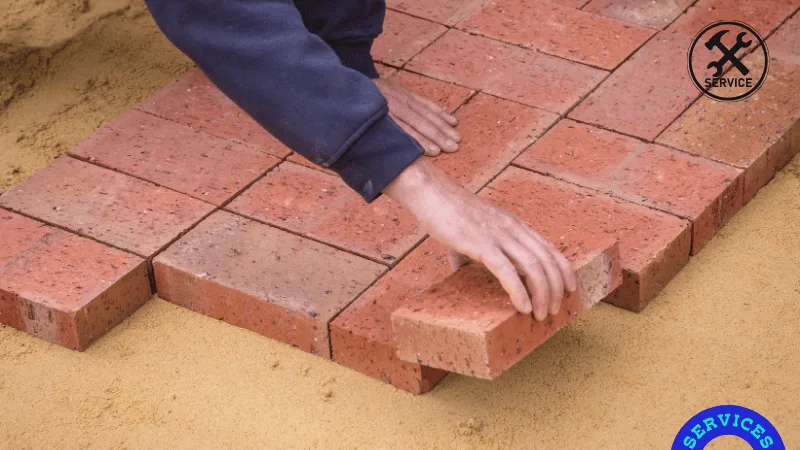
Hardscaping requires proper preparation as well as good material placement.
Ground conditions, drainage, grading, measurements, and installation all influence the finished result. An experienced Hardscaping contractor can help identify these considerations before work begins.
This is particularly useful for yards with slopes, uneven ground, drainage concerns, or multiple connected features.
Consider the Role of a Professional Company
A complete hardscaping project may involve more than one type of feature.
Homeowners may want to combine walkways, patios, garden borders, steps, or other elements into a single plan. Working with an established Hardscaping company can make it easier to coordinate these features and consider how they will work together.
The plan should still be based on the property's actual requirements rather than adding features simply because they are available.
Plan the Hardscape Around Your Lifestyle
The most useful hardscaping features are those that solve an actual problem or support regular use.
If outdoor entertaining is important, a defined patio may make sense. If access is the main concern, a well placed walkway could be more useful. For properties with elevation changes, steps or retaining solutions may provide greater value.
Thinking about daily use before choosing features can lead to a more practical result.
Consider Halifax's Seasonal Conditions
Rain, snow, freezing temperatures, and changing ground conditions can affect outdoor surfaces throughout the year.
Hardscape planning should account for these conditions when selecting materials and preparing the site. Drainage and proper ground preparation are particularly important for maintaining outdoor features through seasonal changes.
Add Structure Without Overbuilding
A yard does not need to be covered with hard surfaces to feel organized.
A few well placed features can create clear boundaries and improve access while leaving enough room for lawn, gardens, and other natural areas. Keeping the design proportional to the property can make the finished space feel more balanced.
This is especially important for smaller residential yards.
Planning With Code Green Landscaping
When homeowners are considering hardscaping alongside other outdoor improvements, the overall condition of the property should be taken into account. Code Green Landscaping can assess the space alongside related landscaping and property maintenance requirements to help determine what type of work fits the yard.
This approach can help keep new hardscape features connected to the property's existing layout.
Conclusion
Hardscaping can give a Halifax yard clearer boundaries, better access, and more defined areas for different uses. Walkways can guide movement, patios can create dedicated outdoor spaces, and garden borders can separate planting areas from lawns.
Choosing the right Hardscaping service in Halifax means considering more than the finished appearance. Ground conditions, drainage, materials, maintenance, existing vegetation, and the way the property will be used all influence the final plan. A thoughtful design can add structure without taking away the natural character of the yard.