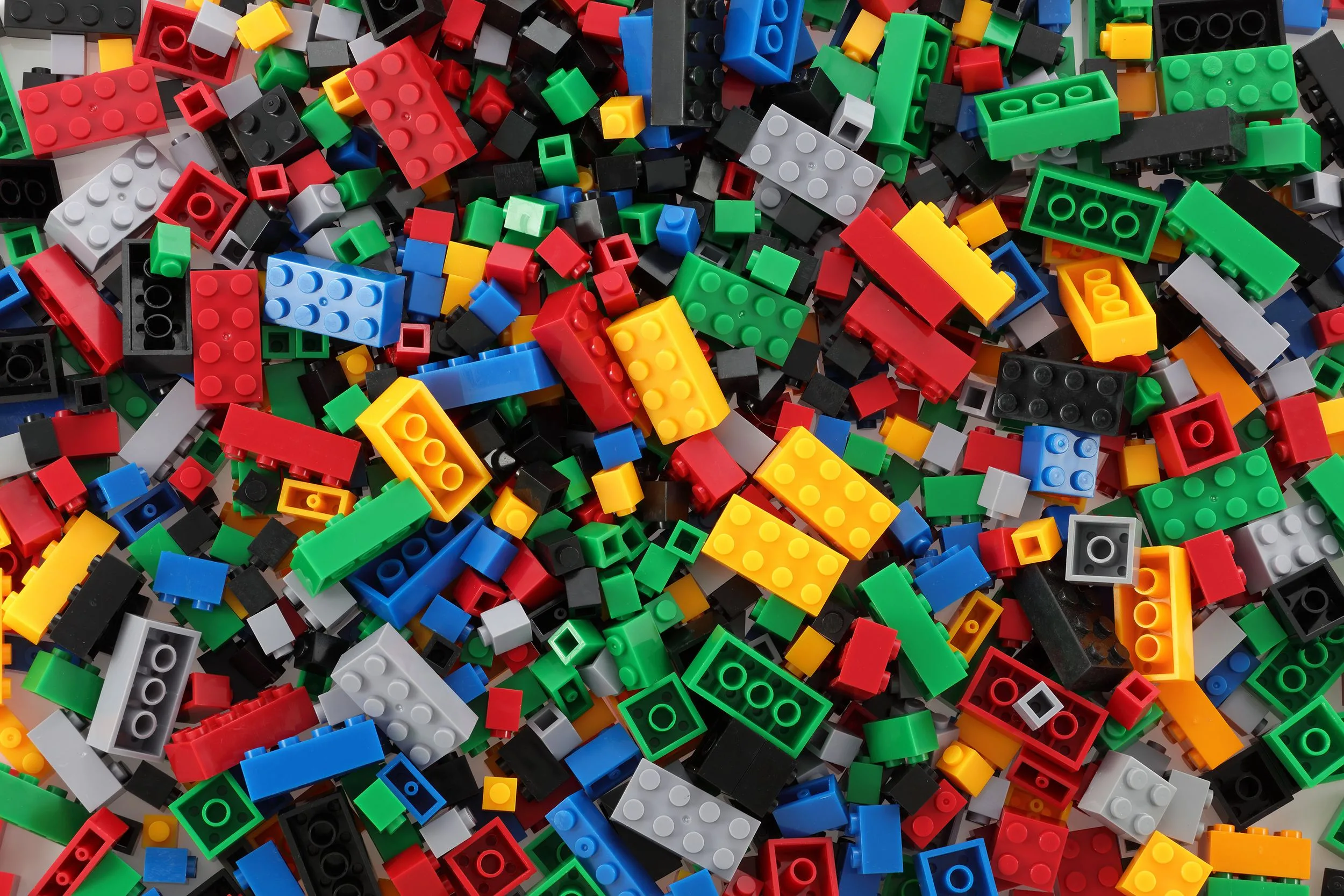
Few toys have managed to stay relevant across generations quite like LEGO. What began as a small Danish toy company in 1932 has grown into a global entertainment and collectibles brand, with LEGO products now sold in more than 120 countries. But LEGO's success is about more than colourful plastic bricks. Its strength comes from a simple idea: give people the freedom to build, rebuild, and imagine almost anything.
The story of LEGO offers valuable lessons in product design, brand building, innovation, and long-term customer loyalty. Here is how a simple building system became one of the world's most recognisable toys.
How LEGO Turned a Simple Brick Into a System
LEGO's biggest breakthrough was not simply creating a plastic brick. It was developing a building system where individual pieces could work together in countless combinations.
The company began producing plastic building products in 1949, while the foundation of the modern LEGO brick emerged in 1958 with its stud-and-tube design. This compatibility gave children something traditional toys often could not: an open-ended play experience.
A LEGO set could follow instructions, but the same pieces could also become something completely different. A house could become a spaceship. A vehicle could become a robot. That flexibility made the toy useful for both structured play and independent creativity.
This principle remains central to the LEGO System in Play and is one of the main reasons LEGO continues to appeal to different generations.
Innovation Helped LEGO Stay Relevant
Long-term popularity requires more than having a good original idea. LEGO continuously expanded what its building system could offer.
Over the decades, the brand introduced themes and product lines that gave builders new worlds to explore, including LEGO City, Space, Castle, Pirates, Technic, and DUPLO. It also moved beyond traditional construction toys through education, entertainment, digital experiences, and collaborations with major entertainment franchises.
This strategy helped LEGO solve a major challenge faced by established toy brands: staying interesting without abandoning what made the product special.
Modern examples include LEGO Ideas, where fan creativity can influence future products, as well as popular licensed themes and collections designed for older builders. The result is a brand that can appeal to children discovering LEGO for the first time while also attracting adult collectors.
Quality, Nostalgia and Collectibility Built a Lasting Brand
Another important factor behind LEGO's success is consistency. The company has maintained a strong focus on quality, allowing its building system to remain compatible across generations. That reliability gives older sets a special appeal to collectors and fans.
LEGO has also successfully connected play with nostalgia. Adults who grew up building LEGO can return to the hobby through detailed architecture sets, vehicles, display models, or licensed collections. At the same time, parents can introduce the same basic concept to their children.
The brand's continued commercial strength demonstrates how effective this approach can be. In 2025, the LEGO Group reported record revenue of DKK 83.5 billion and said consumer sales increased 16% compared with 2024.
Conclusion
LEGO became one of the world's most popular toys by making something remarkably simple incredibly versatile. Its success combines thoughtful product engineering, consistent quality, continuous innovation, strong storytelling, and an ability to connect with both children and adult collectors.
The biggest lessons from LEGO's journey are:
- Build a product system, not just a single product.
- Protect the core idea while continuing to innovate.
- Create experiences that encourage creativity and repeat engagement.
- Use nostalgia and storytelling to strengthen emotional connections.
- Design for multiple generations so the brand can evolve with its audience.
For collectors and enthusiasts, understanding this history can make every classic set or modern model even more meaningful. At Robotic Toys and Collectibles, we believe the most interesting toys are those that combine creativity, engineering, history, and lasting appeal. As toy design continues to evolve, LEGO's story shows that the simplest ideas can sometimes have the biggest future.