If you live in metropolitan cities, there is always a dilemma about moving towards sustainability and accommodating rapid urban growth. If you also face the same dilemma, you should understand that there are ways that will help you build sustainability along with modern sustainable architecture that prioritises materials that offer exceptional durability, high performance, and minimal environmental impact. Windows and doors are critical components in this shift, acting as the building's envelope that regulates energy exchange.
Among the solutions available today, modern aluminium windows have emerged as a big solution for eco-friendly design. No longer viewed simply as a utilitarian choice, high-performance aluminium window systems now actively help architects meet even the most difficult-to-acquire green building certifications, lower operational costs, and achieve long-term carbon neutrality.
The Circular Economy and Infinite Recyclability
Aluminium windows are the best option you can go for due to their remarkable lifecycle. Aluminium is a unique material because it is 100% recyclable. Unlike many plastics or composite materials, it can be melted down and repurposed infinitely without any degradation to its structural integrity or physical properties.
The environmental payoff of this recycling loop is massive:
- Energy Savings
Producing recycled aluminium requires roughly 95% less energy than manufacturing primary aluminium from raw bauxite ore.
- Resource Preservation
By choosing premium aluminium windows made from recycled billets, architects significantly reduce the demand for destructive mining practices.
- Waste Reduction
At the end of a building’s operational lifespan, the aluminium framed windows can be fully reclaimed, ensuring they head to a recycling facility rather than a landfill.
High-Performance with Aesthetics
Earlier metals were criticised in green architecture due to their high thermal conductivity. However, now things have transformed, and modern aluminium windows are now considered highly efficient barriers against heat loss and gain.
- Let me tell you the secret: it is its advanced thermal break technology, which effectively disrupts the path of heat transfer.
- You can pair these insulated frames with advanced low-emissivity, double, or triple glazing; they create highly energy efficient doors and windows.
- This system will also prevent conditioned air from escaping, minimise solar heat gain in summer, and retain indoor warmth during winter.
- Sustainable architecture is based on maximising natural daylighting to reduce the need for artificial indoor lighting.
- The strength of aluminium will play a vital role in achieving this goal.
- Aluminium’s structural integrity will allow you to mould it to any custom design and even create slim sightlines that can still support massive, heavy panes of multi-layered glass.
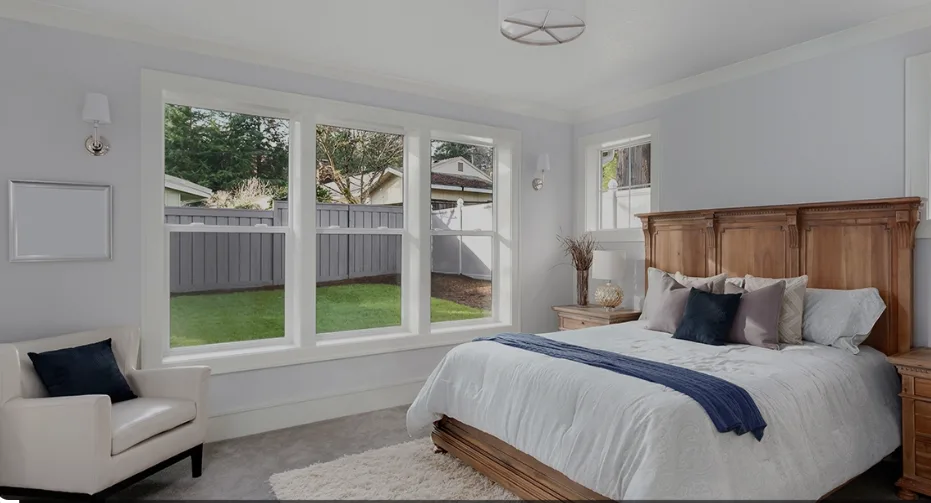
- These aluminium framed windows will allow you to open up expansive building facades to natural light without compromising structural safety.
- It will result in increased daylight, improving your building's overall energy balance and enhancing occupant well-being, productivity, and circadian health.
- Also, the structural rigidity of these profiles will ensure that seals remain completely airtight over decades of heavy use and will prevent the subtle air leaks that often plague weaker framing materials.
Architectural Versatility and Maintenance
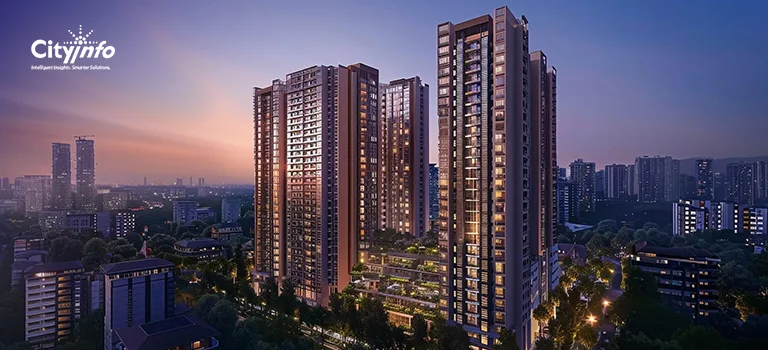
The structural resilience of premium aluminium windows makes them the ideal choice for high-rise, energy-efficient residential and commercial towers.
Aluminium systems adapt seamlessly to your diverse design requirements. This versatility of aluminium ensures that historic structures can maintain their architectural authenticity while upgrading their thermal performance to meet modern green standards.
A material is only considered sustainable if it is long-lasting. Frequent replacements will anyway generate manufacturing waste, transportation emissions, and added material consumption. Aluminium is considered one of the most long-lasting materials because:
- It doesn’t corrode or rust.
- It is not prone to UV degradation and cracking.
- It does not attract termites, rot, or warping.
Modern aluminium windows feature durable powder-coated or anodised finishes. These finishes require nothing more than simple routine cleaning with mild soap and water throughout their long lifespan.
By eliminating the need for toxic paints and solvents, aluminium helps maintain healthier air quality around the building envelope and slashes long-term maintenance costs.
Conclsuion
Modern sustainable architecture requires a holistic approach where every component contributes to energy conservation, resource efficiency, and long-term durability. Aluminium window systems perfectly embody these requirements by balancing high structural performance with a genuinely sustainable lifecycle.
From their infinite recyclability and advanced thermal engineering to their ability to maximise natural light through slim profiles, modern aluminium windows are no longer a compromise; they are a necessity for green building design. By investing in premium aluminium windows from trusted brands like Eternia, which uses highly durable aluminium called Duranium made by Hindalco for its windows and accompanying energy efficient doors, developers and architects can successfully lower operational energy demands, minimise environmental impact, and build resilient structures ready for a low-carbon future.