Open-plan living areas are popular in modern Australian homes because they create a sense of space, improve natural light and connect kitchens, dining rooms and living rooms. However, heating and cooling these larger, interconnected spaces can be challenging. Different parts of the room may experience varying temperatures, while sunlight, cooking appliances and changing occupancy can affect indoor comfort.
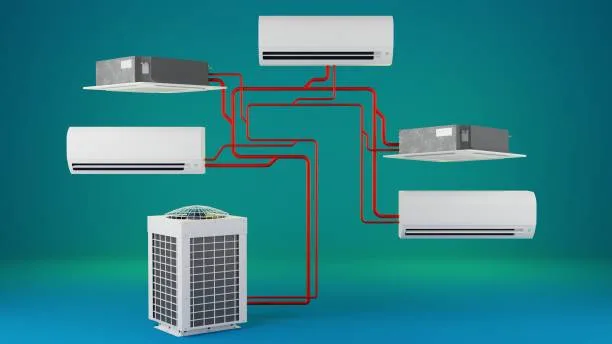
A multi head split system offers a practical solution by allowing multiple indoor air conditioning units to connect to a single outdoor unit. This setup can help homeowners maintain comfortable temperatures across different areas without installing a separate outdoor unit for every room.
For households looking to improve temperature control, reduce indoor clutter and create a more comfortable living environment, multi head split systems are worth considering.
What Is a Multi Head Split System?
A multi head split system is an air conditioning system that connects two or more indoor units to one outdoor unit. Each indoor unit is installed in a selected area of the home, allowing conditioned air to be distributed where it is needed.
Unlike a traditional single split system, which generally serves one indoor space, a multi head system can accommodate several rooms or zones, depending on the system's design and capacity.
For example, a homeowner may install indoor units in the main living area, kitchen and adjoining lounge space while connecting them to a shared outdoor condenser.
The system can provide both heating and cooling, depending on the model, making it suitable for year-round comfort in many Australian homes.
6 Ways Multi Head Split Systems Improve Open-Plan Comfort
1. More Consistent Temperatures Across Large Spaces
One of the biggest challenges with open-plan living is maintaining an even temperature throughout the space. A single air conditioning unit may struggle to distribute conditioned air effectively across a long room or an area with multiple sections.
A multi head split system allows indoor units to be positioned strategically to serve different parts of the layout. For example, one unit may condition the main living area while another helps maintain comfort near the dining space.
This arrangement can reduce temperature differences between areas, provided the units are correctly sized and positioned.
The result is a more comfortable environment for everyday activities, whether the family is watching television, preparing meals or entertaining guests.
2. Flexible Temperature Control for Different Areas
Although open-plan spaces share an open layout, different areas may have different heating and cooling requirements.
A kitchen can become warmer during cooking, while a living area near large windows may experience significant heat gain from direct sunlight. Meanwhile, a shaded dining area may remain relatively cool.
With multiple indoor units, occupants can adjust the settings of individual units where the system permits. This provides greater flexibility than relying on a single air conditioning unit to manage every part of the space.
However, multi head systems do not always provide completely independent temperature control. Depending on the model, connected units may need to operate in the same overall mode, such as heating or cooling.
Understanding these limitations before installation helps ensure the system suits your household's needs.
3. Better Air Distribution and Fewer Hot or Cold Spots
Poor air distribution can make open-plan rooms uncomfortable, even when an air conditioner has sufficient cooling or heating capacity.
Long rooms, high ceilings, internal walls and furniture placement can interfere with airflow. A unit positioned at one end of the room may not effectively reach the opposite end.
A multi head split system provides more options for distributing conditioned air. Indoor units can be placed in locations that support airflow across the main living zones, helping reduce uncomfortable hot and cold spots.
Professional placement is essential. Installers should consider room dimensions, ceiling height, window orientation, airflow direction and the location of frequently occupied areas.
Correct positioning helps the system work efficiently while avoiding direct airflow onto seating areas or dining tables.
4. Improved Energy Efficiency Through Smarter Operation
Energy efficiency is another important consideration when choosing air conditioning for an open-plan home.
A multi head split system can allow homeowners to condition selected areas instead of relying on one large unit to serve the entire space. Depending on the system's controls and design, occupants may be able to reduce operation in areas that need less heating or cooling.
Many modern systems use inverter technology to adjust compressor output according to demand. This can help avoid the repeated full-power starts associated with some conventional systems.
However, a multi head split system is not automatically more energy-efficient than a single split system. Efficiency depends on the equipment's performance ratings, correct sizing, installation quality, operating settings and the home's insulation.
To get the best results, choose a system designed for the actual heating and cooling loads of the space. Oversized or undersized equipment can affect comfort and energy consumption.
5. A Cleaner Exterior With Fewer Outdoor Units
Installing separate split systems throughout a home can require multiple outdoor units. This may create visual clutter, occupy valuable outdoor space and complicate installation.
A multi head split system connects several indoor units to one outdoor unit, reducing the number of outdoor condensers required.
This can be especially beneficial for homes with compact courtyards, limited side access or restricted locations for outdoor equipment.
Fewer outdoor units can also simplify the overall appearance of the property. Nevertheless, the shared outdoor unit still needs adequate ventilation, suitable clearance and access for servicing.
The final installation must comply with the manufacturer's requirements and applicable local regulations.
6. Year-Round Comfort for Australian Conditions
Australian homes experience a wide range of temperatures throughout the year. Summer heat can make open-plan living areas uncomfortable, while colder mornings and evenings can leave large spaces difficult to warm.
Many multi head split systems provide reverse-cycle heating and cooling, allowing the same equipment to manage both seasonal requirements.
During summer, the system removes heat from indoor air. In winter, reverse-cycle operation transfers heat indoors to help warm the living area.
This versatility makes multi head split systems a practical option for households seeking one integrated solution for everyday comfort.
The system's suitability will depend on the local climate, room layout, insulation, glazing and required heating capacity.
How to Choose the Right Multi Head Split System for Your Home
Choosing the correct system involves more than calculating the total floor area. Several factors influence performance in open-plan living environments.
Assess the layout: Measure the combined space and identify areas that experience different temperature conditions, such as kitchens, sunny lounge areas and adjoining dining spaces.
Calculate heating and cooling requirements: A qualified installer should assess insulation, ceiling height, window size, orientation, occupancy and local climate before recommending system capacity.
Select suitable indoor units: Wall-mounted units are common, but the best option depends on the room layout, available wall space and desired airflow.
Compare energy ratings: Review the system's heating and cooling efficiency ratings and consider how often it will operate.
Check control options: Look for convenient temperature settings, timers and other available controls. Confirm whether individual indoor units can be controlled independently and understand any restrictions on operating modes.
Plan for maintenance: Filters require regular cleaning, and the system needs periodic professional servicing to maintain performance and identify potential issues.
Is a Multi Head Split System Better Than a Single Split System?
The best option depends on the size and configuration of your home.
A single split system may be sufficient for a compact, relatively open living area with straightforward airflow. It can also be a simpler option when only one space requires heating and cooling.
A multi head split system may be more suitable for a larger open-plan area with distinct sections or for households that also want to condition adjoining rooms using the same outdoor unit.
For particularly large homes or spaces with high heating and cooling demands, other solutions may also be worth considering, including multiple independent split systems or ducted air conditioning.
A professional assessment can help determine which configuration offers the best balance of comfort, installation cost and ongoing running expenses.
Frequently Asked Questions
Can a multi head split system cool an entire open-plan living area?
Yes, if the system has sufficient capacity and the indoor units are correctly positioned. The number and size of units should be determined by the layout, heat load and airflow requirements.
Are multi head split systems expensive to run?
Running costs depend on electricity prices, system efficiency, usage patterns, temperature settings and insulation. Using appropriate settings and conditioning only the areas that need it can help manage energy consumption.
Can each indoor unit have a different temperature setting?
Many multi head systems allow individual temperature adjustments for connected indoor units. However, operating modes and other functions may be shared or restricted, depending on the model.
Do multi head split systems provide heating as well as cooling?
Many models offer reverse-cycle heating and cooling. Check the manufacturer's specifications to confirm that the selected system provides both functions.
How many indoor units do I need for an open-plan home?
There is no universal number. The right configuration depends on the dimensions, layout, ceiling height, sunlight exposure and heating and cooling requirements of the space. A qualified installer can recommend suitable unit locations and capacities.
Conclusion
Multi head split systems can improve comfort in open-plan living areas by supporting better air distribution, flexible temperature adjustments and year-round heating and cooling. Their ability to connect several indoor units to one outdoor unit also offers a practical solution for homeowners who want to minimise exterior clutter.
However, performance depends on selecting the right system, positioning the indoor units carefully and ensuring the installation matches the property's heating and cooling requirements.
For Australian homeowners planning a new air conditioning installation or upgrading an existing setup, a professionally designed multi head split system can be a valuable way to create a more comfortable and adaptable living environment.