
Glass is a material we use every day, from windows and bottles to advanced industrial applications. While it may look simple, the quality of glass depends heavily on the raw materials used in its production. One of the most important materials in this process is silica sand. Choosing the right silica sand manufacturer plays a key role in determining the final quality of glass.
Why Silica Sand is Important in Glass Manufacturing
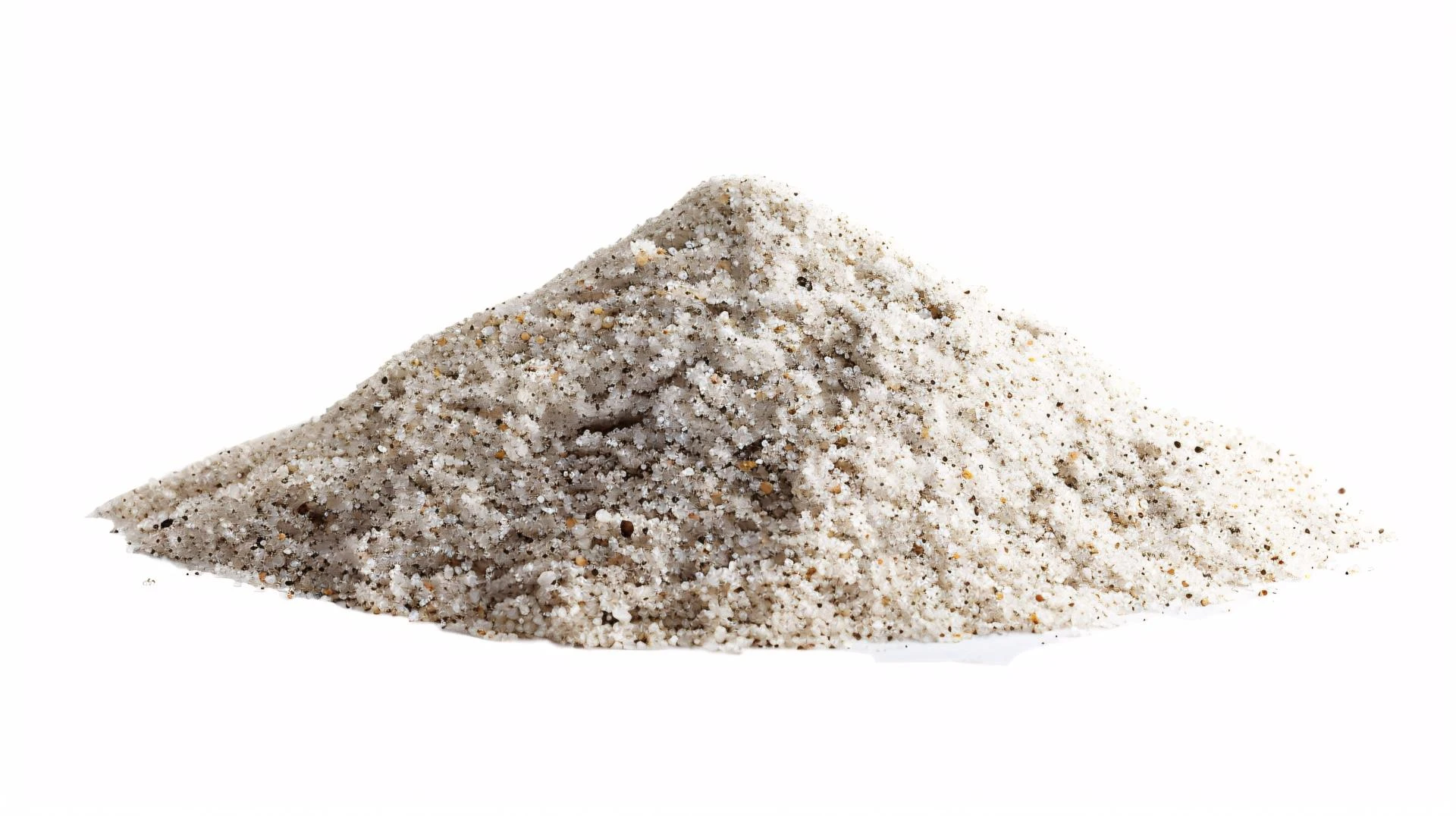
Silica sand is the primary source of silicon dioxide (SiO₂), which forms the basic structure of glass. During the manufacturing process, silica sand is melted at high temperatures and combined with other materials to create different types of glass.
However, not all silica sand is the same. Its purity, grain size, and composition directly affect how the glass will look and perform.
Impact of Purity on Glass Clarity
One of the most critical factors in silica sand is its purity level. High-quality silica sand contains very low levels of impurities such as iron, clay, and other minerals.
- Low iron content helps produce clear and colorless glass
- Fewer contaminants reduce defects and improve transparency
- Consistent composition ensures uniform appearance
If the silica sand contains higher impurities, the glass may appear greenish or cloudy. This is why industries prefer working with a reliable silica sand manufacturer that can provide consistent and high-purity material.
Role of Grain Size in Strength
Grain size might seem like a small detail, but it has a big impact on glass strength and processing.
- Uniform grain size ensures even melting
- Fine grains help achieve smoother surfaces
- Controlled particle distribution improves structural strength
When silica sand has uneven grain sizes, it can lead to incomplete melting or weak spots in the glass. This ultimately affects durability and performance.
Importance of Chemical Composition
Apart from silica content, other elements present in sand also influence glass quality.
- Alumina improves durability
- Calcium oxide adds stability
- Magnesium oxide enhances resistance
A balanced chemical composition helps manufacturers produce glass that is not only clear but also strong and long-lasting.
Consistency Matters in Large-Scale Production
In industrial glass manufacturing, consistency is extremely important. Even a small variation in raw material can affect the entire batch.
- Stable supply of uniform quality
- Proper processing and grading
- Reliable performance in production
This consistency helps industries reduce waste, improve efficiency, and maintain product standards.
Final Thoughts
The quality of silica sand has a direct impact on both the clarity and strength of glass. From purity and grain size to chemical composition, every factor plays a role in the final outcome.
For industries that rely on high-performance glass, selecting the right raw material source is not just a choice but a necessity. By understanding these factors, businesses can make better decisions and ensure long-term product quality.