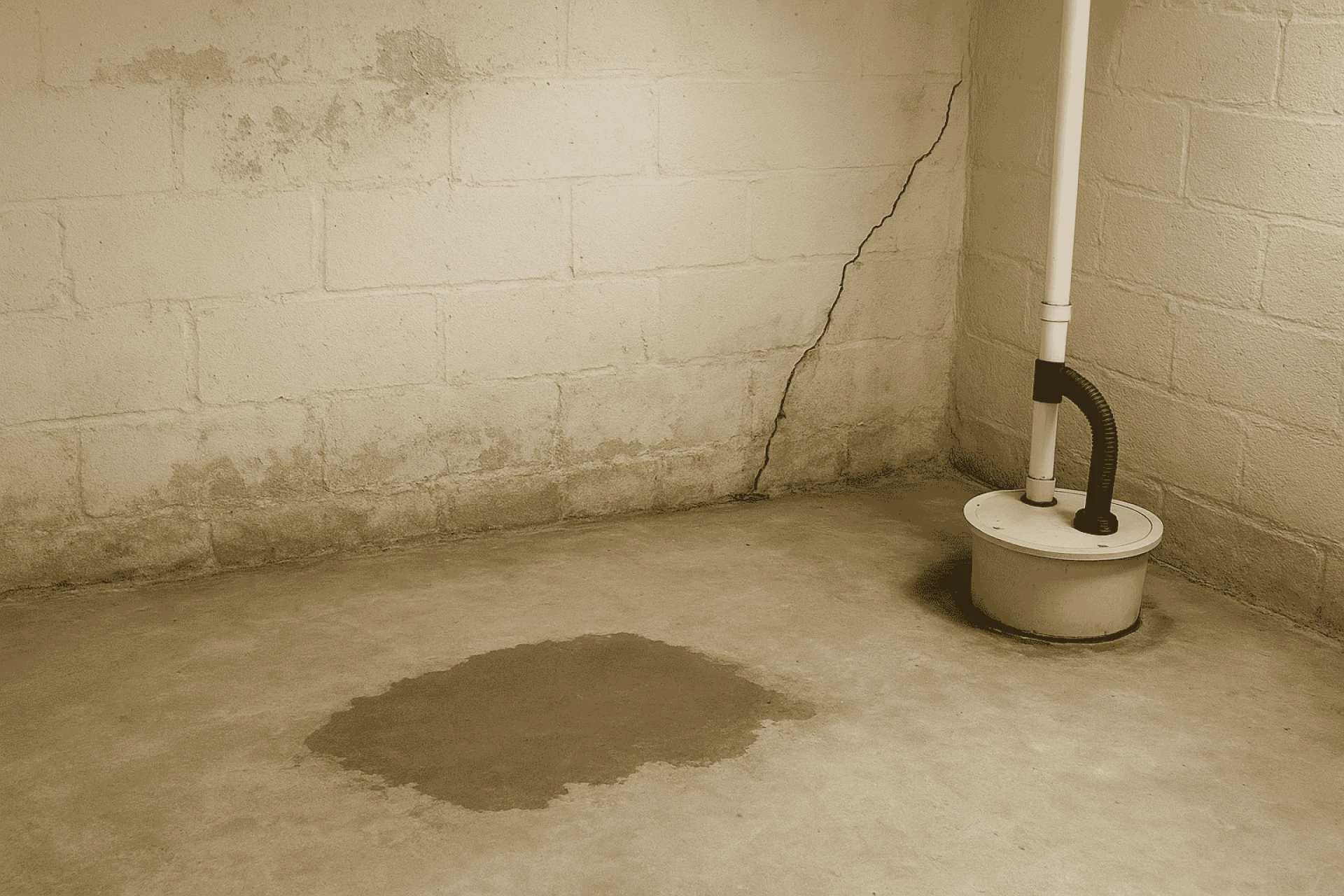
Basement flooding is more than just an annoying inconvenience; it can cause significant damage to your home, from warped flooring to mold growth. One of the most effective solutions to keep your basement dry is a properly installed sump pump. By channeling water away from your home before it becomes a problem, sump pumps play a critical role in basement waterproofing and protecting your foundation. Let’s explore how these systems work, why they’re essential, and what you need to know before installing one in your Gainesville home.
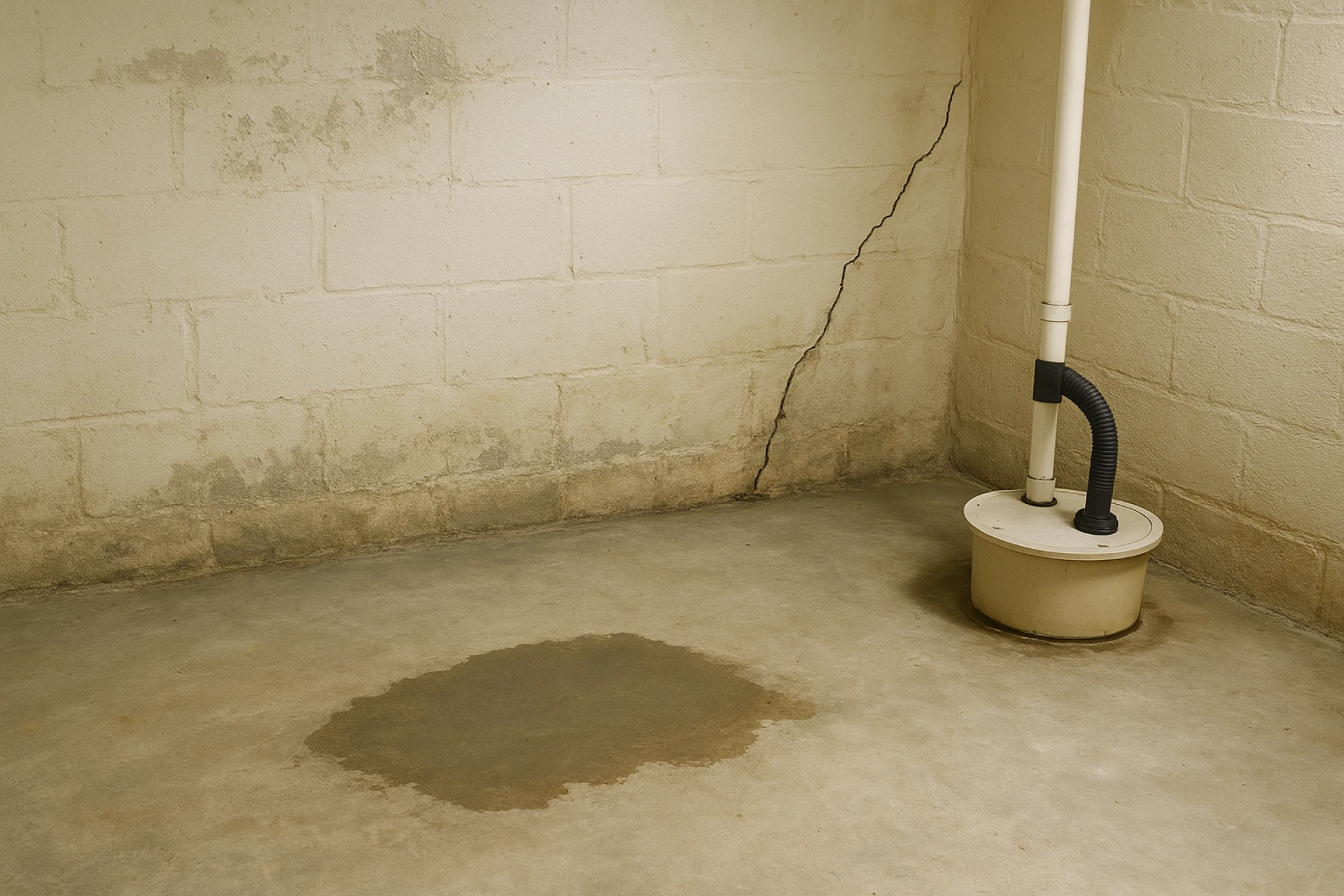
What is a Sump Pump?
A sump pump is a small pump installed in a pit, typically at the lowest point of your basement or crawl space. Its primary function is to collect and redirect excess water away from your foundation, preventing flooding and water damage. While it may seem simple, a well-maintained sump pump can save homeowners thousands of dollars in repairs and insurance claims.
There are two main types of sump pumps:
- Submersible Sump Pumps are installed underwater in the sump pit. Quieter and more durable, they are ideal for areas prone to heavy water accumulation.
- Pedestal Sump Pumps: The motor sits above the pit, keeping it dry. They are easier to service but slightly noisier.
Both types are effective, and choosing the right one depends on your basement setup and water risk level.
How Sump Pumps Prevent Basement Flooding
Sump pumps are a cornerstone of basement waterproofing. Here’s how they work to prevent flooding:
They are a cornerstone of basement waterproofing. Here’s how they work to prevent flooding:
- Immediate Water Removal: When water collects in the sump pit, the pump activates automatically and pushes water out through a discharge pipe. This keeps water from pooling and seeping into your walls and flooring.
- Reduces Hydrostatic Pressure: Water accumulation outside your foundation creates pressure that can lead to cracks. Sump pumps reduce this pressure by keeping the surrounding soil drier, which helps minimize the need for costly foundation repair down the road.
- Protects Your Belongings: Flooded basements can damage furniture, electronics, and sentimental items. A functioning sump pump keeps your valuables safe.
- Prevents Mold and Mildew: Standing water is a breeding ground for mold. Sump pumps reduce humidity and prevent mold growth by removing water quickly.
Signs Your Home Could Benefit from a Sump Pump
Even if your basement hasn’t flooded yet, sure warning signs that suggest that installing a sump pump could save you headaches:
- Water stains along the basement walls or floors
- Musty odors or visible mold
- Cracks in the foundation or walls
- High water table in your neighborhood
- Frequent heavy rainfall that saturates your yard
If you notice any of these, it’s worth consulting with a basement waterproofing professional to evaluate your options.
Installation Tips for Sump Pumps
Proper installation is key to ensuring a sump pump functions effectively. Here are some best practices:
1) Choose the Right Location: Place the sump pit in the lowest point of your basement.
2) Size the Pump Correctly: The Pump should handle the maximum expected water volume in your area.
3) Use a Reliable Power Source: Consider a backup battery or generator for power outages during storms.
4) Maintain Proper Discharge: Ensure water is directed far enough from your foundation to prevent re-entry.
5) Regular Maintenance: Clean the pit, inspect the Pump, and test it at least twice a year to prevent failures.
A professional installation ensures your system operates efficiently and lasts for years.
Integrating Sump Pumps with Basement Waterproofing
Sump pumps are most effective when paired with comprehensive basement waterproofing strategies. These may include:
- Interior Drainage Systems: Channel water from the perimeter of the basement to the sump pit.
- Sealants and Coatings: Protect walls and floors from moisture intrusion.
- Exterior Grading and Gutters: Direct rainwater away from the foundation.
- French Drains: Collect and redirect water from the yard to prevent basement seepage.
Combining these methods with sump pump installation creates a multi-layered defense against basement flooding.
Choosing the Right Basement Waterproofing Company
Selecting the right professionals is just as important as choosing the right Pump. Look for companies with experience in:
- Sump pumps installation and maintenance
- Full basement waterproofing systems
- Foundation repair and water management solutions
A trusted team will assess your home, recommend the ideal solution, and provide ongoing support to keep your basement safe year-round.
In Gainesville, Georgia, heavy rain and high groundwater levels make sump pumps a practical investment. They protect your home, reduce potential repair costs, and help maintain a healthy living environment. Whether you’re experiencing minor water seepage or want to prevent future flooding, a professional sump pump installation is a smart step toward a dry, secure basement.
By addressing basement flooding proactively, you not only protect your property but also increase your home’s value and comfort.