Helicopter operations demand precision, especially during night flights, emergency missions, and landings in remote locations. Unlike conventional airports, helipads are often built on hospital rooftops, offshore platforms, industrial facilities, military bases, and temporary sites where visibility can quickly become a challenge. In these situations, a dependable helipad lighting system becomes one of the most important safety components, helping pilots identify the landing area, maintain proper alignment, and complete safe takeoffs and landings.
As helicopter operations continue to expand across industries, investing in the right lighting solution is no longer just about meeting regulations—it is about protecting lives, improving operational efficiency, and ensuring reliable performance in every environment. Companies like Aero Lighting, based in Switzerland, are helping organizations achieve these goals with innovative aviation lighting systems designed for demanding conditions.
Why Lighting Is Critical for Helicopter Safety
A helicopter pilot often operates in environments where visibility is limited due to darkness, rain, fog, snow, or dust. Without clear visual guidance, judging distance, altitude, and the exact touchdown point becomes significantly more difficult.
A professionally designed helipad lighting system creates a clearly defined landing area, allowing pilots to identify the perimeter, approach path, and touchdown zone with greater confidence. This reduces the risk of misalignment, hard landings, and operational delays while improving safety for both aircrew and ground personnel.
International aviation guidance also emphasizes proper lighting configurations for nighttime heliport operations, including perimeter lighting, touchdown and lift-off area (TLOF) lighting, and other visual aids that help pilots during approach and landing.
Essential Components of a Modern Helipad Lighting System
A reliable helipad lighting system consists of multiple lighting elements that work together to provide clear visual guidance.
Perimeter Lighting
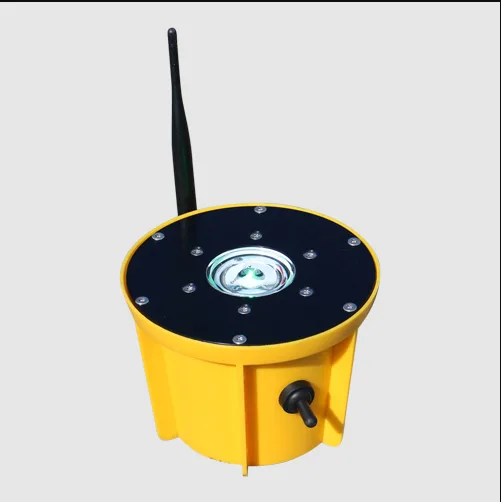
Perimeter lights define the landing area's boundaries, enabling pilots to quickly recognize the size and shape of the helipad during approach. Uniformly spaced LED perimeter lights improve visibility without creating excessive glare.
Touchdown and Lift-Off Area Lighting
The touchdown and lift-off area must remain clearly visible throughout the landing process. Proper lighting helps pilots maintain accurate positioning and improves situational awareness during critical flight phases.
Wind Direction Indicators
Wind conditions directly influence helicopter performance. Illuminated wind direction indicators allow pilots to determine wind speed and direction before landing, resulting in safer and smoother operations.
Floodlights and Visual Guidance
Where additional surface visibility is required, carefully positioned floodlights enhance texture perception without overwhelming the pilot's vision. Aviation guidance recommends balancing brightness to avoid glare while maintaining clear visual cues.
The Benefits of LED-Based Lighting Solutions
Modern LED technology has transformed aviation lighting by delivering higher efficiency and greater reliability compared to traditional lighting systems.
An LED helipad lighting system offers several important advantages:
- Lower energy consumption
- Longer operational lifespan
- Minimal maintenance requirements
- High brightness with excellent visibility
- Instant illumination
- Reliable performance in harsh weather
- Reduced operating costs over time
These advantages make LED lighting particularly valuable for facilities operating around the clock, where consistent performance is essential.
Portable Lighting for Temporary Landing Zones
Not every helicopter landing takes place at a permanent heliport. Emergency medical services, disaster relief teams, military units, humanitarian organizations, and offshore operators frequently require temporary landing zones.
In these situations, a portable helipad lighting system provides exceptional flexibility. Instead of constructing permanent infrastructure, operators can deploy a complete lighting setup within minutes, allowing helicopters to land safely even in remote or rapidly changing environments.
This capability is particularly valuable during natural disasters, rescue operations, temporary construction projects, and emergency response missions where speed is critical.
Aero Lighting's Portable Solution
One example of this innovation is the HeliCase developed by Aero Lighting in Switzerland. Designed as a complete portable heliport solution, the system combines durable LED lighting, rechargeable batteries, wireless control, and quick deployment into a compact transportable case.
Because every component is designed for rapid installation, emergency teams can establish a safe landing area without requiring permanent electrical infrastructure. This portability helps operators respond faster while maintaining high safety standards, even in challenging environments.
The rugged design also makes the system suitable for offshore installations, military operations, humanitarian missions, mining sites, and remote industrial facilities where dependable lighting is essential.
Compliance Supports Safer Operations
A quality helipad lighting system should not only deliver excellent visibility but also support compliance with internationally recognized aviation recommendations.
Lighting systems that align with standards such as ICAO provide consistent visual references that pilots recognize around the world. These standards address important considerations including light placement, intensity, spacing, and visibility, helping create a predictable and safe landing environment.
Choosing compliant equipment also simplifies planning for hospitals, airports, offshore platforms, and commercial heliports seeking reliable long-term performance.
Choosing the Right Helipad Lighting System
Every helicopter operation has unique operational requirements. Before selecting a lighting solution, organizations should consider several important factors:
- Permanent or temporary installation
- Expected weather conditions
- Night operation frequency
- Battery backup requirements
- Ease of maintenance
- LED lifespan
- Remote control capabilities
- Compliance with aviation standards
- Installation speed
- Future scalability
A lighting system that performs reliably under demanding conditions can significantly improve operational safety while reducing long-term maintenance costs.
The Future of Safer Helicopter Operations
As aviation technology advances, lighting systems continue to become smarter, more energy efficient, and easier to deploy. Wireless controls, intelligent monitoring, long-life LEDs, and portable power solutions are helping operators respond more quickly without compromising safety.
Manufacturers like Aero Lighting continue to invest in innovative solutions from Switzerland that support hospitals, emergency services, military organizations, offshore operators, and industrial facilities worldwide. By combining advanced engineering with dependable performance, these systems help pilots operate with greater confidence in every environment.
Conclusion
Every successful helicopter landing depends on clear visibility, accurate guidance, and dependable equipment. A professionally designed helipad lighting system provides the visual information pilots need to land safely during both routine and high-pressure operations. Whether installed at a permanent heliport or deployed rapidly in a remote emergency location, the right lighting solution enhances safety, improves operational efficiency, and supports compliance with international aviation practices.
Organizations that invest in high-quality lighting solutions are investing in safer operations, better reliability, and greater confidence for every mission. With innovative products from Aero Lighting in Switzerland, operators can equip their landing sites with advanced technology designed to perform when it matters most.