
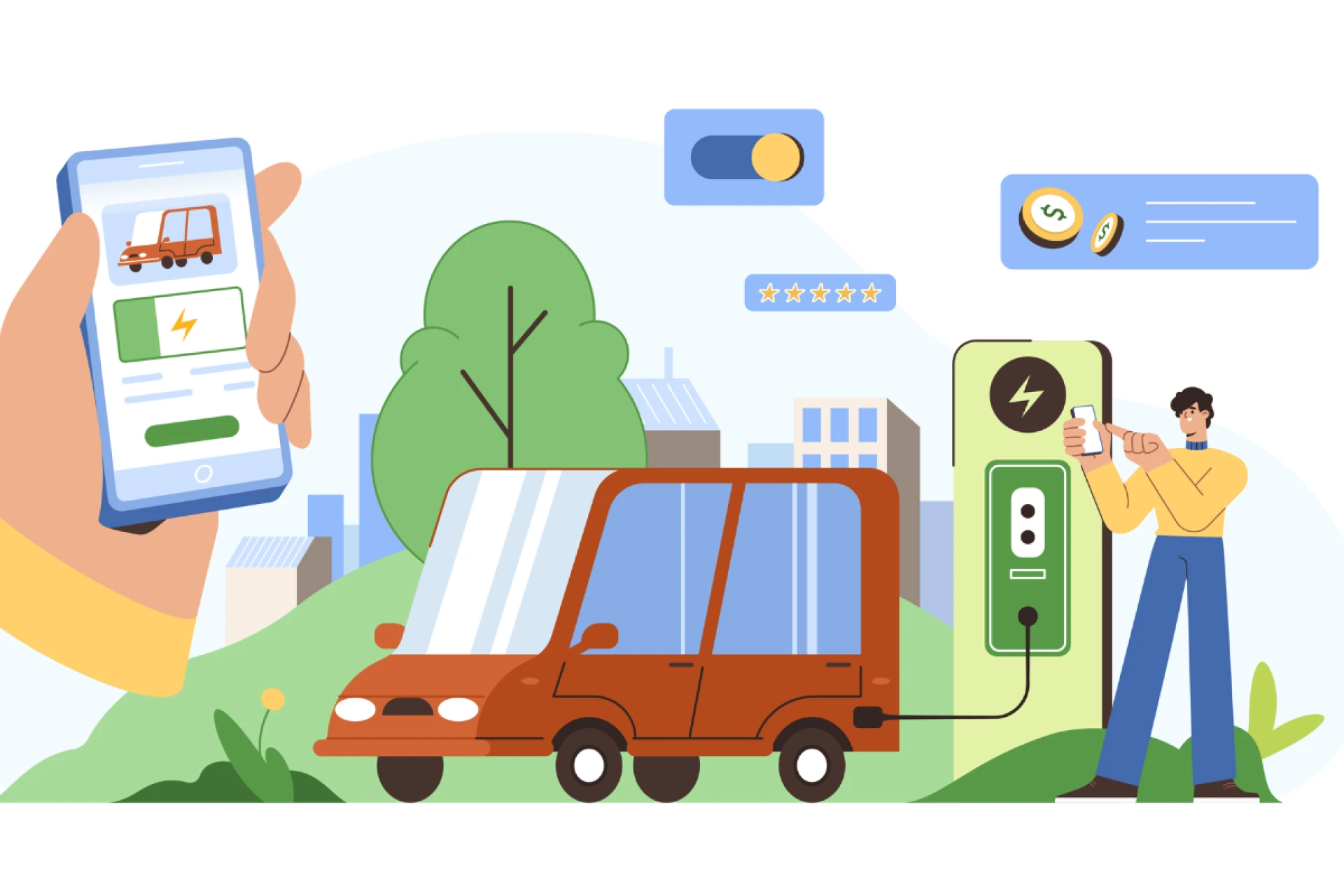
As Saudi Arabia accelerates its transition towards sustainable transportation under Vision 2030, the demand for electric vehicles (EVs) is rapidly growing. However, infrastructure challenges—especially limited public EV charging stations—pose a significant barrier for many EV owners. Enter the door-to-door EV charging app: a smart, tech-driven solution that delivers convenience, flexibility, and a seamless charging experience wherever users are.
For startups and entrepreneurs looking to make a mark in the Kingdom’s EV ecosystem, building an on-demand EV charging app presents a promising opportunity. In this guide, we’ll walk you through how to develop a robust and scalable EV charging solution—while also highlighting the importance of choosing the right mobile app development company in Saudi and tapping into local expertise for EV Charging Station App Development.
Why Saudi Arabia is Ripe for Door-to-Door EV Charging Solutions
Electric mobility is not just a global trend—it’s a national priority in Saudi Arabia. With large-scale investments in EV manufacturing and sustainability projects, the country is laying the groundwork for a green automotive future. However, key infrastructure—like widespread EV charging stations—is still catching up.
Here’s why now is the perfect time to launch an EV charging app:
1. EV Adoption is on the Rise
Saudi Arabia is actively promoting EV use through subsidies, public-private partnerships, and plans to produce over 150,000 EVs annually. As more consumers switch from petrol vehicles to electric ones, the need for flexible charging services is increasing.
2. Urban Population Needs Convenience
Cities like Riyadh, Jeddah, and Dammam have high-density populations and busy work cultures. Door-to-door charging apps cater to users who value convenience and time-saving solutions.
3. Gap in Public Charging Infrastructure
Unlike Western countries, Saudi Arabia still lacks a wide EV charging network. Mobile charging units help bridge this gap, especially in remote or newly developed areas.
4. Ideal for Corporate Fleets and Events
Event organizers, shopping malls, and companies with electric fleets can use these services for scheduled, bulk charging.
Building a door-to-door EV charging app now can place your business in a powerful position as infrastructure develops further.
Step-by-Step Approach to Building an EV Charging App
Let’s now explore the development lifecycle of your EV charging solution.
1. Conduct Market Research and Feasibility Analysis
Before starting development, analyse:
- Target audience behaviour: Are you targeting individual users, corporate clients, or event organizers?
- Competitor landscape: Are there existing apps offering similar services in your chosen region?
- Regulatory landscape: Ensure your service model aligns with Saudi Arabia’s environmental, transportation, and ICT laws.
Tip: Collaborate with a local mobile app development company in Saudi to access regional insights, data, and on-ground feasibility.
2. Define Your Business Model
Your app’s success depends on the right monetization and service approach. Choose from:
- On-demand model: Users request charging services instantly or at scheduled times.
- Subscription-based model: Monthly/quarterly plans for regular users or businesses.
- B2B model: Tie-ups with corporates or property developers to offer bulk charging solutions.
- Event-based model: Provide charging stations or mobile units for large gatherings or expos.
Revenue streams can include service fees, priority delivery charges, surge pricing, and advertisements.
3. Choose the Right Technology Stack
Your app should be built for scale, security, and performance. Here’s a tech stack recommendation:
- Frontend: Flutter or React Native for cross-platform development (Android & iOS).
- Backend: Node.js or Django for speed and flexibility.
- Database: MongoDB or PostgreSQL for scalable data storage.
- Cloud Infrastructure: AWS or Microsoft Azure for high uptime and deployment scalability.
- APIs: Google Maps, local payment gateways (like STC Pay or Mada), real-time notification systems.
- IoT Integration: For real-time connection between EVs, mobile chargers, and app dashboards.
A Saudi-based app development team can align the tech stack with local telecom and compliance requirements.
4. Build Key Features for a Smooth User Experience
A successful EV charging app should deliver an effortless and intuitive experience for all users.
For End Users:
- User Registration and KYC Verification
- EV Vehicle Integration: Sync app with vehicle battery status and model
- Booking Interface: Request charging service by location and time
- Real-Time Tracking: Monitor charging van location and ETA
- Secure Payments: Support for debit/credit cards and local gateways
- Service History: View previous bookings, costs, and durations
- Notifications: Alerts for booking confirmation, arrival, payment, etc.
For Admins:
- Fleet Management Dashboard: Manage technician schedules and mobile charging vans
- Customer Support Console: Chat, ticket, and feedback tools
- Analytics and Insights: Track usage patterns, regional demand, and revenue
- Pricing & Surge Management: Dynamic pricing based on demand
For Charging Technicians:
- Service Queue Management
- Live Navigation to Booking Address
- Charging Status Controls (Start/Stop)
- Wallet & Payment Tracker
5. Ensure Integration with IoT and Charging Equipment
Mobile charging units typically use electric generators or fast-charging battery packs. Your app must integrate with this hardware to:
- Monitor energy levels in the charging van
- Record time taken per session
- Automatically send updates once charging completes
This requires IoT sensors, firmware APIs, and secure data transmission—something a seasoned EV Charging Station App Development company can help with.
6. Design for Scalability and Cloud Support
You’ll need cloud-based architecture to:
- Manage high user traffic
- Sync real-time vehicle and fleet data
- Enable remote admin monitoring
- Perform predictive maintenance
Choose serverless or microservices-based architecture for flexibility and cost-effectiveness.
7. Regulatory Compliance in Saudi Arabia
Saudi Arabia has firm digital and environmental regulations. Ensure your app follows:
- CITC (Communications & Information Technology Commission) guidelines on location tracking and data sharing.
- SAMA (Saudi Central Bank) rules for digital payment security.
- NCA (National Cybersecurity Authority) compliance for cybersecurity standards.
A local mobile app development company in Saudi can manage paperwork, certifications, and technical alignments for compliance.
8. Test and Launch an MVP (Minimum Viable Product)
Start with a simplified version of your app that includes:
- Basic booking features
- Payment integration
- Real-time tracking
- Admin panel
Choose a specific region (like Riyadh or Jeddah) for soft launch. Gather user feedback, identify performance gaps, and iterate before full-scale expansion.
The Role of a Saudi-Based Mobile App Development Compan
Local development partners bring:
- Cultural and language localisation (Arabic UI/UX)
- Integration with region-specific services and payment gateways
- Understanding of local laws and tech infrastructure
- Better post-launch support and server maintenance
A mobile app development company in Saudi not only builds the tech but ensures your business fits the local market like a glove.
Final Thoughts
As the Kingdom of Saudi Arabia drives forward with electric mobility, door-to-door EV charging apps offer a solution that blends convenience, innovation, and sustainability. Whether you're a startup founder, green tech investor, or mobility service provider, this is your chance to lead the next big wave in smart transportation.
With the right vision, business model, and partnership with an experienced EV Charging Station App Development company in Saudi, you can launch an app that powers not just vehicles—but the future.