
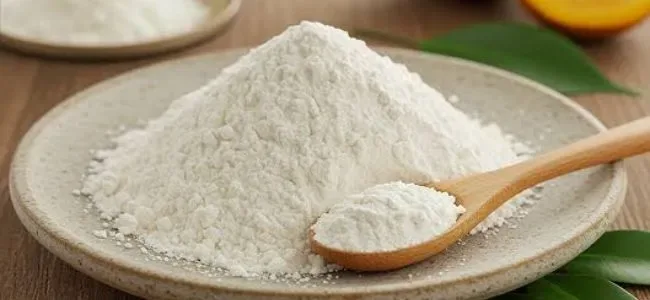
Demand for allulose has grown quickly across bakery, beverage, dairy, and confectionery categories. As a low-calorie, sugar-like bulk sweetener with functional properties close to sucrose, it's become a go-to option for manufacturers reformulating products to meet reduced-sugar and low-GI targets. But as more companies adopt allulose, an important question has moved to the front of the conversation: how do you choose the right bulk allulose supplier?
Unlike commodity ingredients with decades of standardized supply chains, allulose is still a relatively newer bulk sweetener in many markets. That means supplier quality, documentation, and consistency can vary more than buyers might expect. Choosing well isn't just about price per kilogram — it directly affects product consistency, regulatory compliance, and supply reliability down the line. This checklist walks through the key factors procurement and R&D teams should evaluate before committing to a supplier.
Why Supplier Selection Matters for Allulose Sourcing
Because allulose is a newer ingredient category compared to sugar, erythritol, or stevia, not every supplier offers the same level of documentation, purity consistency, or technical support. A supplier that looks similar on paper can differ significantly in actual product performance, batch-to-batch reliability, and how quickly they can respond to production needs. Working through a structured evaluation process — rather than defaulting to the lowest quote — reduces the risk of reformulation delays, inconsistent taste or texture, or supply disruptions once a product is in market.
1. Verify Food Grade Certification and Specifications
The first checkpoint is confirming the product is genuinely allulose food grade, not just labeled as such. Ask suppliers for:
- A full specification sheet detailing purity, grade standard, and product code
- Confirmation of compliance with relevant food safety regulations in your target market
- Documentation supporting any regulatory approvals or recognized safety status
Suppliers who can readily provide this documentation tend to be more transparent overall. For example, suppliers such as ALLUPURE™ ALLULOSE publish clear food-grade specifications — including grade standard, packaging format, and product code — which gives buyers a useful reference point for what a properly documented spec sheet should look like before sampling.
2. Confirm Packaging, MOQ, and Format Fit
Once specifications check out, the next step is matching packaging and order quantities to your production scale. Consider:
- Packaging size — bulk formats (commonly 25 kg corrugated boxes) suited to production-line handling and storage
- Minimum order quantities (MOQs) — whether the supplier can accommodate smaller trial orders before scaling to full production volumes
- Form — confirming powder form and particle characteristics align with your processing equipment and application
A supplier that offers flexible packaging and MOQ options makes it easier to run pilot batches without overcommitting on volume before a formulation is finalized.
3. Assess Local vs Imported Supply (Bulk Allulose Supplier in Australia)
For Australian manufacturers, sourcing from a bulk allulose supplier in Australia carries practical advantages worth weighing against imported alternatives:
- Lead times — domestic stock generally means shorter turnaround between order and delivery
- Freight and import considerations — local supply avoids the added cost, customs processing, and delays associated with importing directly
- Supply continuity — a supplier holding ready, immediate stock reduces the risk of production downtime compared to relying solely on international shipments
Buyers should ask potential suppliers directly whether allulose is held in local stock or sourced to order, as this materially affects how reliably it fits into a production schedule.
4. Evaluate Consistency and Quality Documentation
Even with the right specifications on paper, consistency across batches is what protects product quality over time. Look for:
- Certificates of Analysis (CoA) available for each batch or production run
- A track record of consistent purity and sweetness performance across repeat orders
- Willingness to provide samples for bench testing before committing to bulk volumes
Requesting a small sample order first — and testing it against your existing formulation benchmarks — is a low-risk way to confirm a supplier's consistency claims before scaling up.
5. Look for Wholesale Pricing Transparency and Scalability
Pricing structure is often where buyers get the clearest signal about a supplier's reliability. A trustworthy wholesale allulose supplier in Australia should be able to:
- Provide clear pricing tiers based on order volume, without vague or shifting quotes
- Support both smaller trial orders and larger production-scale volumes without requiring a new supplier relationship as demand grows
- Offer straightforward terms around delivery timelines and payment, rather than requiring lengthy back-and-forth for basic quotes
Scalability matters particularly for manufacturers planning to expand a reformulated product line — switching suppliers mid-scale-up introduces unnecessary risk and requalification work.
6. Where and How to Buy Allulose Food Powder
The final step is understanding what a straightforward purchasing process should look like. When you're ready to buy allulose food powder, a reliable supplier should be able to:
- Provide a technical data sheet and sample on request, typically within a short turnaround
- Clearly communicate MOQ, packaging options, and estimated delivery timelines upfront
- Offer a simple enquiry-to-order process without excessive delays or unclear next steps
If a supplier is slow or vague at the enquiry stage, that's often a preview of what ongoing communication will look like once you're a regular customer — worth factoring into the decision alongside price and specification.
Key Takeaways
Choosing the right bulk allulose supplier comes down to more than comparing price sheets. Verifying food-grade documentation, confirming packaging and MOQ fit, weighing local versus imported supply, and testing for batch-to-batch consistency all reduce the risk of disruptions once allulose is built into a production formulation. For Australian manufacturers in particular, working with a supplier who holds reliable local stock can materially improve lead times and supply continuity.
Use this checklist as a starting framework the next time you're evaluating suppliers — and don't hesitate to request samples and full specification sheets before committing to a bulk order. A few extra questions upfront can save significant reformulation headaches down the line.