Chocolate is often associated with celebration, comfort, and simple everyday enjoyment. But as consumers become more interested in ingredient quality and nutritional information, choosing chocolate is no longer only about finding the sweetest or most attractive option. People are increasingly looking at what is inside the package and how a product fits into their individual preferences.
This has created greater interest in premium chocolates, particularly among shoppers who want an indulgent experience without overlooking ingredients, portion size, or nutritional considerations. Understanding what to look for can make it easier to choose chocolate that provides both enjoyment and a more thoughtful eating experience.
Start With the Ingredient List
One of the simplest ways to evaluate chocolate is to read the ingredient list. Packaging can make a product look premium, but the ingredients provide more useful information about what you are actually purchasing.
Look for products where the primary ingredients are clearly identified and easy to understand. Depending on the type of chocolate, this may include cacao or cocoa, cocoa butter, sweeteners, milk ingredients, nuts, or other inclusions.
A shorter ingredient list is not automatically better, but transparency matters. Consumers should be able to understand the basic composition of a chocolate product before deciding whether it suits their preferences.
Consider the Cocoa Percentage
Cocoa percentage is particularly useful when comparing dark chocolate products. It indicates the proportion of the product coming from cocoa-derived ingredients, although it does not tell the entire story about quality.
A higher percentage often produces a stronger, more pronounced cacao flavor and less perceived sweetness. Lower percentages may create a softer and sweeter profile.
For shoppers exploring premium dark chocolate, cocoa percentage can therefore be a useful starting point. However, it should be considered alongside ingredient quality, flavor, texture, and overall formulation rather than being treated as the only measure of quality.
Look Beyond Calories
Consumers searching for low calorie chocolate often focus primarily on the calorie number displayed on the nutrition panel. Calories can certainly be relevant, but they are only one part of the nutritional picture.
Serving size is particularly important. Two products may appear similar when comparing calories per serving, but their defined serving sizes may differ considerably.
It can also be helpful to consider sugar, protein, fiber, fat, and carbohydrates depending on individual dietary needs. Looking at the complete nutrition panel provides a more realistic understanding of how a chocolate product fits into a person's eating pattern.
What Does Nutritious Chocolate Actually Mean?
The term nutritious chocolate should be approached thoughtfully because chocolate remains a confectionery product. Whether a particular product fits someone's idea of nutritious depends on its formulation and the person's individual nutritional goals.
Some modern chocolate products incorporate ingredients such as protein or fiber alongside cacao. Others focus primarily on reducing added sugar or using specific ingredient combinations.
The important consideration is not simply whether a product uses words such as "healthy" or "functional" on its packaging. Consumers should review the nutrition facts, ingredient list, serving size, and any relevant dietary information before making a decision.
Think About Sweetness
Sweetness is one of the biggest differences between chocolate products. Traditional formulations may contain substantial amounts of added sugar, while other products are formulated to provide a less intensely sweet experience.
For some consumers, reduced sweetness allows the natural characteristics of cacao to become more noticeable. Others may prefer a sweeter, smoother profile.
There is no universally correct level of sweetness. The better choice depends on personal taste and dietary priorities. Understanding the source and amount of sweetness can nevertheless help consumers compare products more effectively.
Texture and Flavor Still Matter
A thoughtful chocolate choice should not be based entirely on nutrition. Chocolate is ultimately an eating experience, so flavor and texture remain important.
Good chocolate should have a pleasant mouthfeel and a flavor profile that matches the type of product. Dark chocolate may offer roasted, fruity, earthy, or bitter notes, while milk chocolate generally provides a creamier and sweeter character.
Additional ingredients can also change the experience. Almonds, coconut, seeds, fruit, and other inclusions can introduce different textures and flavors.
For many consumers, the ideal product is one that provides the indulgence they expect from chocolate while also fitting their preferences for ingredients and nutrition.
Consider Where the Chocolate Comes From
The origin of a chocolate brand can also influence purchasing decisions. Some shoppers actively look for locally produced products or prefer supporting independent businesses within their country.
A Canadian chocolate brand, for example, may appeal to consumers who value Canadian production or want to explore products created by Canadian companies.
However, being Canadian does not automatically determine whether a chocolate is high quality. Consumers can still examine the ingredients, manufacturing information, cacao sourcing, and nutritional profile to make a well-informed decision.
For those specifically searching for Canadian brand chocolate, checking whether the product is actually manufactured in Canada can provide useful additional context.
Compare Brands Instead of Relying on Packaging
The chocolate aisle can contain dozens of products that use terms such as premium, natural, dark, or functional. These descriptions can make comparison difficult.
Instead of relying solely on packaging, consumers can create a simple checklist:
- What is the cocoa percentage?
- How much added sugar does it contain?
- What is the serving size?
- Are protein or fiber included?
- What ingredients are used?
- Where is the product made?
- Does the flavor profile match personal preferences?
Are there dietary considerations that need to be addressed?
Using these questions when comparing dark chocolate brands can make the purchasing process more objective.
Premium Does Not Always Mean Expensive
The word "premium" is frequently associated with higher prices, elaborate packaging, and specialty ingredients. But a higher price does not automatically guarantee a better chocolate experience.
A premium product should ideally offer value through factors such as ingredient quality, flavor, craftsmanship, sourcing, formulation, or transparency.
Consumers should therefore decide what premium means to them. Someone may prioritize high cacao content, while another person may care more about reduced sugar, Canadian production, organic ingredients, or a particular texture.
Choosing Chocolate That Fits Your Lifestyle
There is no single chocolate product that will be right for everyone. Dietary preferences, taste, lifestyle, and nutritional priorities all influence purchasing decisions.
For someone interested in premium chocolates, the best approach is to look at the entire product rather than one marketing claim. Ingredient quality, cocoa content, sweetness, nutritional information, texture, sourcing, and manufacturing can all contribute to the overall experience.
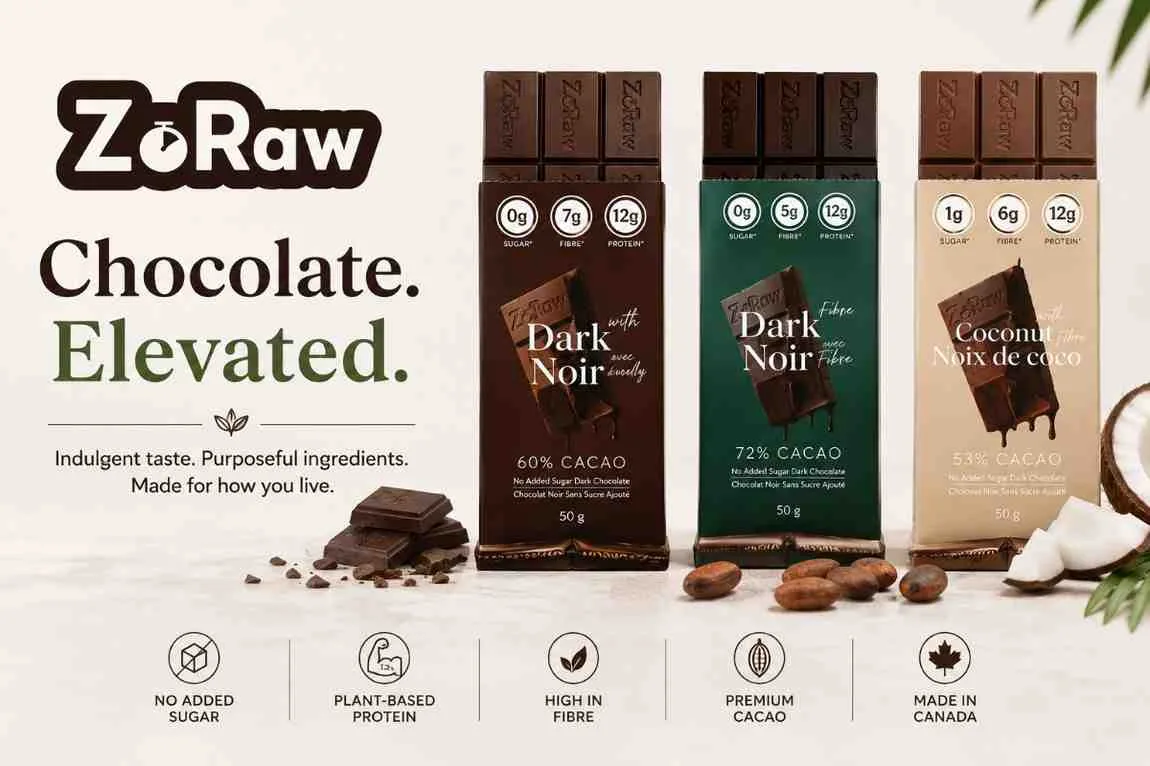
Brands such as ZoRaw Chocolates reflect the wider evolution of the chocolate category, where traditional indulgence is increasingly being combined with considerations such as protein, fiber, and reduced added sugar. The broader trend shows that consumers are looking for more information and greater choice when selecting chocolate.
Ultimately, choosing chocolate thoughtfully does not mean removing enjoyment from the experience. It simply means understanding what you are buying and selecting a product that aligns with your own preferences.
Chocolate can still be an indulgence. The difference is that today's consumers have more opportunities to decide what that indulgence looks like.
Frequently Asked Questions
What should I look for when buying premium chocolates?
Look at the ingredient list, cocoa percentage, sugar content, serving size, nutritional information, sourcing, manufacturing details, flavor, and texture. These factors provide a better indication of quality than packaging alone.
Is premium dark chocolate healthier than regular chocolate?
Not necessarily. Dark chocolate can have different nutritional characteristics depending on its formulation, but consumers should evaluate the complete ingredient and nutrition profile rather than assuming that "premium" automatically means healthier.
How do I choose low calorie chocolate?
Compare calories based on the same serving size and also review sugar, fat, carbohydrates, protein, and fiber. A broader comparison gives more context than calories alone.
What makes a chocolate brand premium?
Premium positioning can come from cacao quality, ingredient selection, craftsmanship, flavor complexity, sourcing, manufacturing standards, and transparency. Price alone does not establish quality.
Why are Canadian chocolate brands becoming interesting to consumers?
Consumers may be interested in Canadian chocolate brands because they want to support local businesses, explore Canadian-made products, or understand where their food is produced. Manufacturing and sourcing details can help provide more context.