
Introduction
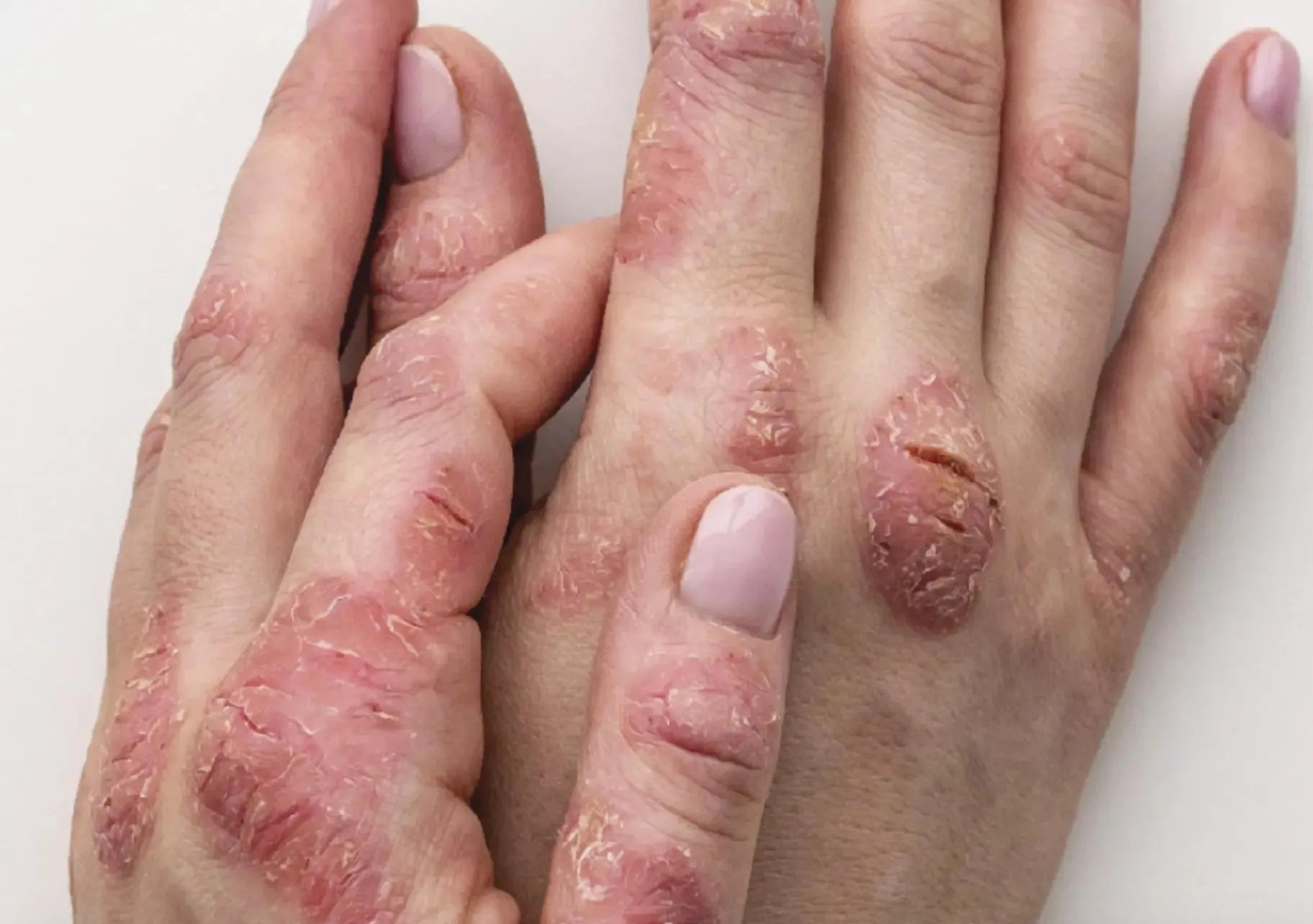
Eczema is a common skin condition characterized by dryness, itching, redness, irritation, scaling, and inflammation. It can affect children and adults and may occur on the face, hands, arms, legs, neck, or other areas of the body. Symptoms can appear occasionally or return repeatedly over time.
Choosing the right treatment is important because eczema can vary significantly between individuals. The condition may be influenced by genetics, immune responses, environmental exposure, allergies, skin-barrier problems, stress, weather, and contact with irritating substances.
People searching for an eczema specialist in Indirapuram may have different concerns depending on the severity and location of their symptoms. Some may have mild dryness and occasional itching, while others may experience persistent inflammation, cracking, sleep disruption, or frequent flare-ups.
A suitable treatment plan should therefore be based on an accurate diagnosis and an understanding of the individual's skin, triggers, medical history, and previous treatment response. This article explains the factors to consider when choosing eczema treatment and how professional care can support long-term skin management.
What Is Eczema?
Eczema describes a group of skin conditions that cause inflammation and irritation.
Common symptoms include:
- Dry skin
- Itching
- Redness
- Scaling
- Rough patches
- Skin cracking
- Swelling
- Sensitivity
- Small bumps or blisters
The appearance and severity of symptoms can vary.
Some people may develop eczema in a small area, while others may have symptoms across several parts of the body.
Why the Right Diagnosis Matters
Not every red or itchy skin condition is eczema.
Several other conditions can cause similar symptoms, including:
- Psoriasis
- Fungal infections
- Scabies
- Contact allergies
- Bacterial skin infections
- Other inflammatory skin disorders
Using the wrong treatment may fail to address the underlying problem.
A dermatologist can assess the appearance, location, duration, severity, and pattern of symptoms to determine the most likely diagnosis.
Common Types of Eczema
There are several forms of eczema.
Atopic Dermatitis
This is a common form associated with an impaired skin barrier and immune-system activity.
Contact Dermatitis
It develops after exposure to an irritating or allergenic substance.
Dyshidrotic Eczema
It can cause small, itchy blisters on the hands and feet.
Nummular Eczema
It may produce round or coin-shaped patches.
Seborrheic Dermatitis
It commonly affects areas such as the scalp, eyebrows, and sides of the nose.
Correct identification of the condition helps guide treatment decisions.
Understanding the Severity of Eczema
Eczema treatment depends partly on the severity of symptoms.
Mild Eczema
Mild symptoms may include:
- Small dry patches
- Mild redness
- Occasional itching
Basic skin care and appropriate topical treatment may sometimes be sufficient.
Moderate Eczema
Moderate symptoms can involve:
- Frequent itching
- More noticeable inflammation
- Multiple affected areas
- Recurring flare-ups
A structured medical treatment plan may be needed.
Severe Eczema
Severe eczema may cause:
- Extensive inflammation
- Significant itching
- Skin cracking
- Bleeding
- Sleep disturbance
- Frequent infections
More intensive treatment may be considered for suitable patients.
Why Eczema Keeps Coming Back
Eczema may return because of continuing exposure to triggers or because the skin barrier remains vulnerable.
Potential factors include:
- Dry weather
- Heat
- Sweat
- Stress
- Harsh cleansers
- Fragrances
- Detergents
- Certain fabrics
- Dust
- Workplace chemicals
Identifying individual triggers can be an important part of long-term management.
Identifying Your Personal Triggers
Triggers are not the same for everyone.
One person may notice flare-ups after using a particular cosmetic product, while another may experience symptoms during cold weather.
A simple symptom diary can help identify patterns.
You can record:
- When symptoms occur
- Where they appear
- Products used
- Weather conditions
- Workplace exposure
- Food or environmental changes
- Stress levels
This information can be useful during a dermatological consultation.
The Skin Barrier and Eczema
The skin barrier helps protect the body from external irritants while retaining moisture.
In eczema, this protective function may become impaired.
This can cause increased:
- Moisture loss
- Dryness
- Sensitivity
- Irritation
- Inflammation
Maintaining the skin barrier is therefore a major part of eczema management.
Choosing the Right Moisturizer
Moisturization can help reduce dryness and support the skin barrier.
Depending on the patient's skin condition, a dermatologist may recommend:
- Creams
- Ointments
- Lotions
- Barrier-repair formulations
Thicker ointments may be useful for very dry skin, while lighter products may be more comfortable in certain situations.
The most important factor is usually consistent use.
When Should Moisturizer Be Applied?
Moisturizer can often be applied shortly after bathing while the skin is still slightly damp.
This can help reduce moisture loss.
Patients may also need to reapply moisturizer during the day when the skin becomes dry.
A personalized routine may vary depending on the severity and location of eczema.
Choosing Gentle Skin-Care Products
People with eczema may have increased skin sensitivity.
A simple routine may include:
- Gentle cleansing
- Fragrance-free products
- Regular moisturization
- Avoidance of harsh scrubbing
- Minimal unnecessary active ingredients
Introducing several new products at the same time can make it difficult to determine which product is causing irritation.
Managing Eczema-Related Itching
Itching is one of the most common symptoms of eczema.
Persistent scratching can create a cycle:
Itching → Scratching → Skin damage → Increased inflammation → More itching
Breaking this cycle can help protect the skin.
Depending on the cause and severity, treatment may focus on reducing inflammation, repairing the skin barrier, and controlling the itch.
Itchy Skin Treatment
For patients requiring itchy skin treatment, the appropriate approach depends on what is causing the itching and whether eczema is confirmed.
Treatment may involve:
- Moisturization
- Trigger avoidance
- Prescription topical medication
- Other medical treatments when required
Persistent itching should be evaluated rather than managed only with repeated scratching or multiple over-the-counter products.
Practical Ways to Reduce Scratching
Some simple measures may help:
- Keep fingernails short
- Use cool compresses
- Apply moisturizer regularly
- Wear soft clothing
- Avoid known triggers
- Keep the environment comfortable
If itching continues to interfere with sleep or daily activities, professional assessment may be appropriate.
Topical Medications
Active eczema inflammation may require prescription topical medication.
Depending on the diagnosis, a dermatologist may recommend:
- Corticosteroid preparations
- Non-steroidal anti-inflammatory medications
- Other topical therapies
The strength and duration of treatment should be selected according to the affected area and severity.
Patients should follow the prescribed instructions carefully.
Why Treatment Strength Matters
Different parts of the body have different skin characteristics.
For example, the skin on the palms is much thicker than the skin around the eyes.
A medication suitable for one area may not be appropriate for another.
This is particularly important when treating:
- Face
- Eyelids
- Neck
- Groin
- Skin folds
Professional guidance can help reduce the risk of inappropriate medication use.
Eczema on the Face
Facial eczema can be uncomfortable and noticeable.
Because facial skin is relatively delicate, treatment should be selected carefully.
Patients should avoid applying strong medications or multiple cosmetic products without professional advice.
A dermatologist can recommend a suitable approach based on the location and severity of symptoms.
Eczema on the Hands
Hand eczema can interfere with everyday activities.
Frequent exposure to:
- Water
- Soap
- Detergents
- Cleaning products
- Chemicals
may aggravate symptoms.
People whose work involves repeated hand washing or chemical exposure may need additional protective strategies.
Eczema and Workplace Exposure
Some cases of eczema may be associated with occupational exposure.
Potential workplace irritants include:
- Cleaning chemicals
- Oils
- Solvents
- Dust
- Frequent hand washing
- Certain materials
If symptoms consistently worsen during work periods, the exposure should be discussed with a dermatologist.
Eczema and Allergies
Some people with eczema also have allergic conditions.
These may include:
- Asthma
- Allergic rhinitis
- Food allergies
- Contact allergies
However, eczema does not automatically mean that a person has an allergy.
Testing should be considered when the medical history and clinical findings suggest a possible allergic cause.
Managing Allergic Triggers
If a particular substance is identified as an allergen, avoiding exposure can be an important part of management.
Common contact allergens may include:
- Fragrances
- Metals
- Cosmetics
- Hair products
- Preservatives
- Adhesives
A dermatologist may recommend appropriate testing when necessary.
Eczema and Weather
Environmental changes can influence eczema.
Cold weather can cause dry air, increasing skin dryness. Hot weather may increase sweating and irritation.
Seasonal care may include:
- More frequent moisturization during dry weather
- Avoiding excessive heat
- Wearing breathable fabrics
- Maintaining gentle skin-care habits
Stress and Eczema
Stress may contribute to flare-ups in some individuals.
It can also affect:
- Sleep
- Scratching behavior
- Treatment consistency
- Overall well-being
Maintaining healthy routines, adequate sleep, regular physical activity, and relaxation practices may support overall health.
These measures should complement rather than replace medical treatment.
Eczema in Children
Children with eczema may require specially selected products and medications.
Parents can support skin care by:
- Following prescribed instructions
- Applying recommended moisturizers
- Keeping nails short
- Avoiding unnecessary fragranced products
- Monitoring flare-ups
Treatment should be appropriate for the child's age and individual condition.
Eczema in Adults
Adult eczema can be associated with:
- Occupational exposure
- Stress
- Environmental factors
- Allergies
- Skin-care products
- Persistent childhood eczema
Treatment may need to address both medical symptoms and lifestyle-related triggers.
Advanced Eczema Treatment Options
Patients with moderate-to-severe eczema that remains uncontrolled may be evaluated for advanced treatment.
Depending on individual circumstances, options can include:
Phototherapy
Controlled ultraviolet light may be considered for selected patients.
Biologic Therapy
Certain biologic medicines target specific immune pathways involved in eczema.
Targeted Systemic Treatments
Some medications work on specific inflammatory pathways.
These treatments require professional evaluation and monitoring.
Can Eczema Be Cured?
Eczema is often a chronic condition that can be managed successfully.
Some individuals experience periods of remission with few or no symptoms.
Long-term management generally focuses on:
- Protecting the skin barrier
- Controlling inflammation
- Avoiding triggers
- Managing itching
- Treating flare-ups
- Maintaining preventive skin care
The aim is to reduce symptoms and improve everyday comfort.
Choosing the Right Dermatology Clinic
When considering a skin care clinic in indirapuram, patients should look at the overall quality of dermatological care rather than choosing a provider based solely on promotional offers.
Factors to consider include:
- Dermatologist qualifications
- Experience with eczema
- Diagnostic approach
- Available treatments
- Follow-up care
- Hygiene
- Communication
- Individualized treatment planning
A detailed consultation can help patients understand whether the clinic is appropriate for their needs.
What to Ask During Your Consultation
What Type of Eczema Do I Have?
Understanding the diagnosis helps you understand why a particular treatment is being recommended.
What May Be Triggering My Symptoms?
Identifying triggers can help prevent recurring flare-ups.
Which Treatment Should I Use During a Flare?
A clear flare-up plan can make management easier.
How Long Should I Use the Medication?
Ask about frequency and duration before starting treatment.
Which Skin-Care Products Should I Avoid?
Knowing which ingredients or products may irritate your skin can simplify your routine.
Do I Need Follow-Up Appointments?
Follow-up may be important when symptoms are persistent or treatment requires adjustment.
Common Eczema Treatment Mistakes
Scratching the Skin
Repeated scratching can damage the skin barrier.
Using Too Many Products
A complicated skin-care routine may increase irritation.
Applying Medication Incorrectly
Using medication too frequently, too infrequently, or on inappropriate areas may affect results.
Ignoring Triggers
Continuing exposure to an irritant may contribute to repeated flare-ups.
Stopping Treatment Without Guidance
Some treatments should be adjusted or stopped according to professional instructions.
Treating Without a Diagnosis
Persistent skin symptoms should be evaluated rather than repeatedly treated based on assumptions.
When Should You Seek Medical Care?
Professional evaluation may be appropriate when:
- Symptoms do not improve
- Itching affects sleep
- Skin becomes painful
- Cracks or bleeding develop
- Symptoms spread
- Flare-ups happen frequently
- Current treatment stops working
- Signs of infection appear
Possible signs of infection include pus, increased warmth, swelling, pain, or rapidly worsening redness.
Developing a Long-Term Eczema Management Plan
A practical management plan may include:
Step 1: Confirm the Diagnosis
Determine whether the symptoms are actually caused by eczema.
Step 2: Identify Triggers
Consider environmental, occupational, cosmetic, and lifestyle factors.
Step 3: Repair the Skin Barrier
Maintain regular moisturization and gentle cleansing.
Step 4: Control Active Inflammation
Use prescribed medication according to instructions.
Step 5: Manage Itching
Reduce scratching and address the underlying inflammation.
Step 6: Prevent Future Flare-Ups
Continue appropriate skin care even when symptoms improve.
Conclusion
Choosing the right eczema treatment requires a personalized approach. Symptoms such as dryness, redness, itching, and inflammation can have different causes, and treatment should be selected according to the diagnosis, severity, affected body area, skin sensitivity, triggers, age, and previous treatment response.
People seeking an eczema specialist should begin with a professional assessment rather than relying only on online recommendations or repeatedly trying different products. Depending on the condition, treatment may include moisturization, topical medication, trigger avoidance, lifestyle adjustments, phototherapy, or advanced systemic therapies.
For people experiencing persistent itchy skin treatment needs, identifying and managing the underlying cause is especially important. Simply suppressing the symptom without addressing inflammation or skin-barrier problems may not provide lasting control.
Choosing an appropriate skin care clinic can provide access to professional diagnosis, individualized treatment planning, and follow-up care. A good long-term strategy should focus not only on treating active flare-ups but also on protecting the skin barrier and reducing factors that may cause future episodes.
Eczema may require ongoing management, but consistent skin care, appropriate medical treatment, trigger awareness, and regular professional guidance can help many individuals achieve better control and maintain healthier, more comfortable skin.
Frequently Asked Questions
What is the first step in treating eczema?
The first step is usually obtaining an accurate diagnosis and determining the type and severity of the condition.
Can eczema be treated permanently?
Eczema can often be controlled, but it may recur. Long-term management focuses on reducing symptoms and preventing flare-ups.
Is itching always caused by eczema?
No. Itching can occur with several skin conditions, including allergies, infections, psoriasis, and other inflammatory disorders.
Can moisturizer help eczema?
Regular moisturization can reduce dryness and support the skin barrier, making it an important part of many eczema management plans.
Can weather worsen eczema?
Yes. Cold, dry conditions may increase dryness, while heat and sweating may worsen symptoms in some individuals.
Should I use steroid medication without consulting a dermatologist?
It is better to use prescription-strength medication according to professional guidance, particularly when treating sensitive areas such as the face.
When are advanced eczema treatments considered?
Advanced therapies may be considered when moderate-to-severe eczema remains inadequately controlled despite appropriate conventional treatment.
Can children develop eczema?
Yes. Eczema commonly affects children, although it can occur at any age.
When should I see a dermatologist?
Persistent, severe, recurrent, painful, spreading, infected, or treatment-resistant symptoms should be professionally evaluated.
Source: Medium.com