Opening the Door to Biology: Why It Matters More Than Ever
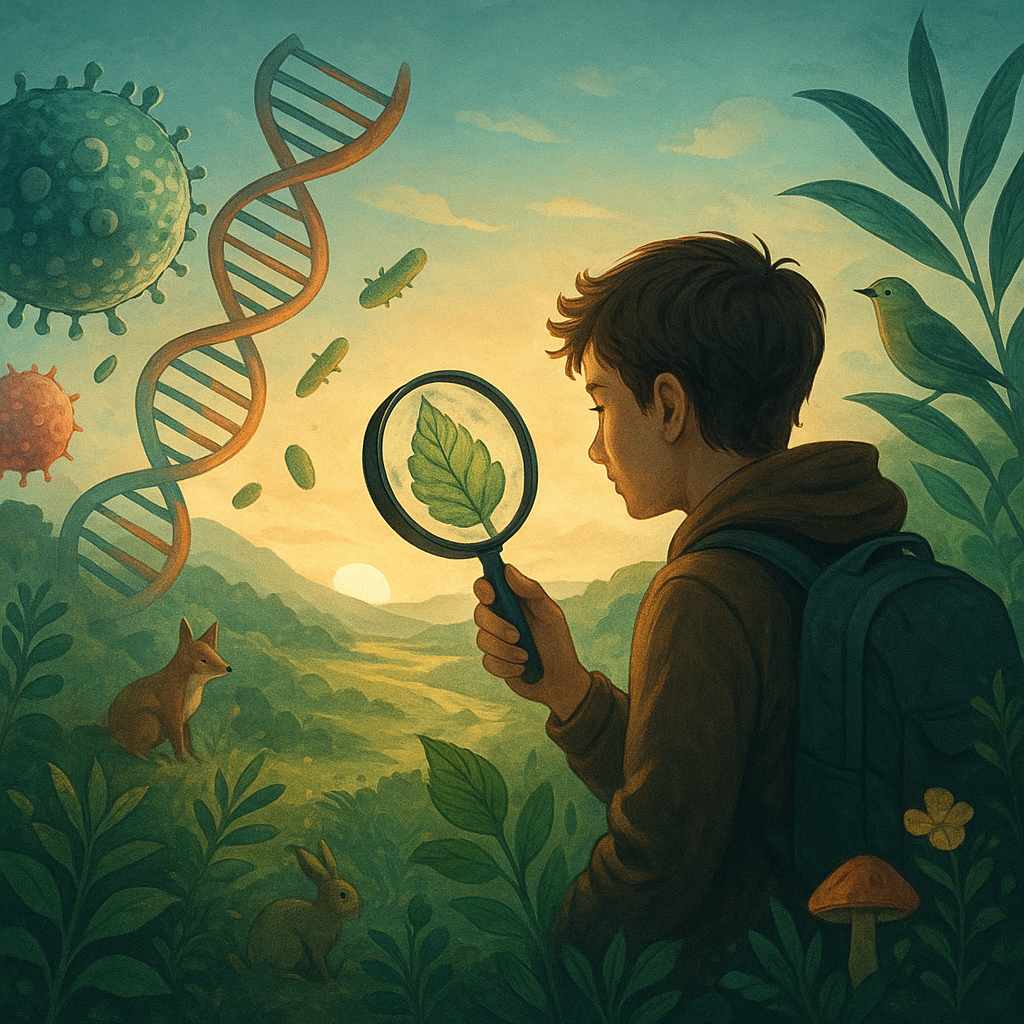
Imagine peering through a microscope at a single cell, the fundamental unit of life, and witnessing an entire universe of activity—enzymes racing, organelles communicating, DNA sequences orchestrating complex processes. This microscopic world is the gateway to understanding all living things, from the smallest bacteria to the blue whale. Biology, the science dedicated to studying life, remains one of the most dynamic and impactful fields in 2026, touching medicine, environmental science, agriculture, and even technology.
The urgency to comprehend biology has never been greater. Global challenges such as pandemics, climate change, food sustainability, and bioengineering breakthroughs underscore the necessity for foundational knowledge in life sciences. For beginners, stepping into this vast field can seem daunting, but a structured approach can transform complexity into clarity.
"Biology is not just a subject; it is the key to solving some of humanity's most pressing problems," says Dr. Elaine Morrow, a leading biologist at the National Institute of Life Sciences.
For those eager to embark on this journey, this guide outlines essential concepts, historical context, current breakthroughs, and future directions in biology, offering a comprehensive introduction to the science of life.
Tracing the Roots: How Biology Evolved Into a Modern Science
The story of biology begins centuries ago with rudimentary observations of nature. Ancient scholars like Aristotle laid groundwork by categorizing animals and plants, but it was not until the 17th century that biology started to take shape as a rigorous science. The invention of the microscope by Antonie van Leeuwenhoek unveiled a hidden world of microorganisms, revolutionizing our understanding of life’s complexity.
Fast forward to the 19th century, when Charles Darwin’s theory of evolution by natural selection provided a unifying framework explaining the diversity and adaptation of species. Simultaneously, the discovery of cells as the basic unit of life and Mendel’s laws of inheritance formed the pillars of modern biology.
In the 20th century, biology exploded with molecular insights. The 1953 unveiling of the DNA double helix by Watson and Crick opened the door to genetics and biotechnology, fundamentally altering how we study heredity and disease. The Human Genome Project, completed in 2003, mapped the entire human DNA sequence, heralding an era of personalized medicine and genomics.
Today, biology is a multidisciplinary field incorporating molecular biology, ecology, genetics, and computational biology, among others. Understanding this historical progression helps beginners appreciate the interconnectedness of biological concepts and their relevance to contemporary science.
The Building Blocks: Core Concepts Every Beginner Must Know
At its essence, biology investigates living organisms and their interactions. To build a solid foundation, beginners should focus on several key areas:
- Cell Theory: All living things are composed of cells, which carry out vital functions. Cells are broadly classified into prokaryotes (bacteria and archaea) and eukaryotes (plants, animals, fungi).
- Genetics: DNA stores genetic information that determines traits. Genes are expressed through transcription and translation, producing proteins that perform cellular functions.
- Evolution and Natural Selection: Species adapt over time through genetic variation and selection pressures, explaining the diversity of life.
- Ecology: Organisms interact with each other and their environment, forming complex ecosystems.
- Energy and Metabolism: Life depends on energy transformations, primarily through photosynthesis and cellular respiration.
Visualizing these concepts with diagrams and models can significantly aid comprehension. For example, understanding the cell cycle or the flow of genetic information from DNA to RNA to protein is foundational. Additionally, grasping ecosystem dynamics reveals biology’s role beyond the individual organism.
"Mastering these core principles is like learning the language of life itself," explains Professor Anil Gupta, a biology educator at the Global Science Academy.
For those interested in a deeper dive, TheOmniBuzz’s Decoding Life: An In-Depth Exploration of Biology’s Foundations and Frontiers offers an extensive resource on foundational biology topics.
Breakthroughs and Trends in Biology as of 2026
The last few years have witnessed remarkable advancements reshaping biological sciences. Cutting-edge technologies and interdisciplinary approaches have accelerated discovery and application. Among the most transformative developments in 2026 are:
- CRISPR 3.0 Gene Editing: The latest iteration of CRISPR technology allows precise, multiplexed edits with minimal off-target effects, opening new frontiers in gene therapy and synthetic biology.
- Single-Cell Multiomics: Integrating genomics, transcriptomics, proteomics, and metabolomics at the single-cell level enables unprecedented insights into cell heterogeneity and disease mechanisms.
- Artificial Intelligence in Biology: AI-powered tools now predict protein structures, model biological pathways, and analyze massive datasets, greatly enhancing research efficiency.
- Synthetic Organisms: Advances in synthetic biology have led to the creation of minimal cells and designer microbes for bioremediation and pharmaceutical production.
- Climate Biology: New data from global biodiversity monitoring projects inform strategies to mitigate climate change impacts on ecosystems.
These innovations not only deepen our understanding but also drive practical applications in health, agriculture, and environmental management. For example, CRISPR 3.0 therapies are in clinical trials targeting genetic disorders previously deemed untreatable.
Moreover, TheOmniBuzz’s Revolutionizing Life Sciences: Breakthroughs and Challenges Shaping Biology in 2026 provides a detailed analysis of these trends and their implications for science and society.
Biology in Action: Real-World Applications and Case Studies
Biology’s impact extends beyond laboratories into everyday life and global challenges. Examining concrete examples illustrates how biological knowledge translates into solutions:
- Personalized Medicine: Leveraging genomics data, oncologists design individualized cancer treatments targeting specific mutations, significantly improving survival rates.
- Conservation Efforts: Genomic sequencing of endangered species informs breeding programs and habitat restoration, aiding biodiversity preservation.
- Bioengineering Crops: Genetically modified plants with enhanced drought tolerance help secure food supplies amid climate stress.
- Microbiome Research: Understanding human gut microbiota has led to probiotic therapies for digestive and immune disorders.
- Biodegradable Materials: Synthetic biology creates eco-friendly alternatives to plastics, reducing environmental pollution.
These case studies exemplify biology’s role as a problem-solving tool and a catalyst for innovation. They also highlight the ethical considerations entwined with manipulating life forms, a critical aspect for learners to contemplate.
"Biology is the blueprint for sustainable progress; we must wield it responsibly," cautions Dr. Sofia Martinez, bioethics specialist.
Looking Ahead: The Future of Biology and How Beginners Can Prepare
The trajectory of biology points toward increasing integration with technology and societal needs. Key future directions include:
- Integrative Omics: Combining multiple omics layers to achieve holistic views of biological systems.
- Precision Ecology: Applying genomic tools to conservation at ecosystem scales.
- Bioinformatics Expansion: Growing demand for data scientists specialized in biological datasets.
- Ethical Frameworks: Developing guidelines to balance innovation with moral responsibility.
- Education Innovation: Using virtual reality and simulations to teach complex biological processes interactively.
For beginners aspiring to thrive in biology, cultivating interdisciplinary skills is vital. This includes computational literacy, critical thinking, and ethical reasoning. Engaging with up-to-date resources and communities also accelerates learning.
Readers interested in exploring biology’s evolving frontier can consult Unlocking Life’s Mysteries: How Biology Shapes Our Future to gain perspective on emerging opportunities and challenges.
By embracing biology’s foundational concepts and staying attuned to its advancements, newcomers can not only grasp life’s science but also contribute meaningfully to its unfolding story.