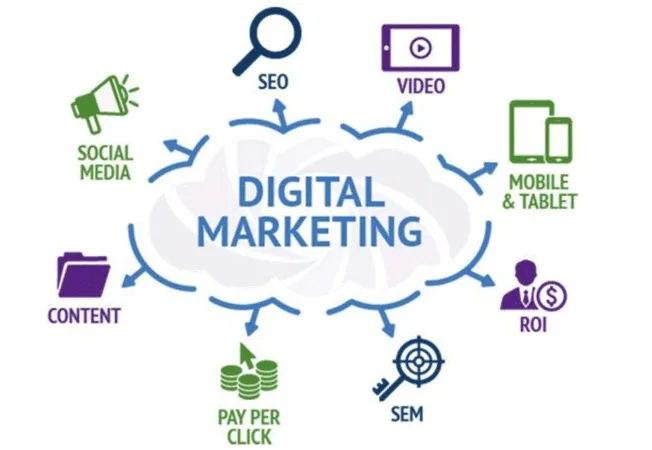
Search engine optimisation is often evaluated through keyword positions, but rankings alone cannot explain whether an SEO campaign is contributing to business growth. A website may appear for several search queries without generating meaningful enquiries, sales, or customer engagement.
Businesses need a broader measurement framework that connects organic search performance with website quality and commercial objectives. This requires understanding how users discover a website, which pages attract relevant visitors, and what actions people take after arriving.
When comparing providers offering india seo services, businesses should examine how performance is measured, reported, and improved over time. A reliable SEO process should focus on useful outcomes rather than presenting ranking movements without context.
1. Establish Clear SEO Objectives
Before measuring results, define what the campaign is expected to achieve.
Different businesses may have different priorities. An e-commerce website may focus on product discovery and completed purchases, while a professional services company may prioritise qualified enquiries and consultation requests.
Common SEO objectives include:
- Increasing relevant organic website traffic.
- Improving visibility for important search queries.
- Attracting visitors to priority service pages.
- Increasing qualified enquiries.
- Improving product and service discovery.
- Supporting online purchases.
- Strengthening visibility in relevant geographic markets.
A business evaluating a best seo company india should ask how the proposed strategy connects SEO activities with these objectives.
Clear goals make it easier to distinguish meaningful improvements from metrics that look positive but have little business relevance.
2. Measure Organic Search Visibility
Organic visibility helps businesses understand how their website appears in unpaid search results.
Google Search Console provides useful information about search impressions, clicks, click-through rates, and average position.
These metrics offer different perspectives:
Impressions: The number of times a website's search result was displayed.
Clicks: The number of clicks received from search results.
Click-through rate: The percentage of impressions that resulted in clicks.
Average position: An aggregated indication of where a website appeared in search results.
These measurements should be reviewed together. For example, impressions may increase while clicks remain unchanged. This could indicate that the website is appearing for more queries but that its search result presentation needs improvement.
A business comparing a seo service in india should expect reports that explain these changes instead of treating every ranking movement as a success.
3. Analyse Organic Traffic Quality
An increase in organic sessions does not automatically mean that the campaign is attracting the right audience.
Businesses should examine which pages visitors enter through, what content they engage with, and whether their behaviour aligns with campaign objectives.
Google Analytics 4 can help analyse:
- Organic sessions.
- Landing-page performance.
- Engaged sessions.
- Engagement rate.
- Key events.
- Configured conversion activity.
- Traffic trends over selected periods.
For example, an increase in visitors to an informational article may be useful if that content introduces potential customers to the business. However, if the organisation's main objective is service enquiries, priority landing pages should also be evaluated.
The purpose of measurement is not simply to increase visitor numbers. It is to understand whether the website is reaching people who are relevant to the business.
4. Track Conversions and Qualified Enquiries
Conversions connect website activity with measurable business actions.
Depending on the business model, useful actions may include:
- Submitting an enquiry form.
- Calling the business through a tracked contact method.
- Requesting a consultation.
- Registering for a service.
- Completing an online purchase.
- Downloading a relevant resource.
Conversion tracking should be configured carefully. Duplicate events, incorrect triggers, and incomplete tracking can produce misleading reports.
Businesses should also distinguish between total enquiries and qualified enquiries. A campaign may generate more form submissions, but the sales team may find that many submissions are irrelevant or incomplete.
A provider offering seo service india should understand the difference between website activity and meaningful business outcomes.
Where possible, organisations should connect analytics data with their enquiry management or customer relationship management process. This can provide a clearer understanding of how organic search contributes to the sales journey.
5. Evaluate Individual Landing Pages
Not every website page has the same purpose. Some pages introduce the business, while others explain services, answer customer questions, or support purchasing decisions.
Reviewing landing-page performance helps identify which pages are attracting visitors and where improvements may be required.
A useful assessment includes:
- Organic clicks and impressions.
- Search queries associated with the page.
- Engagement and key events.
- Content relevance.
- Internal linking.
- Page accessibility and usability.
- Conversion contribution.
For example, a service page may receive impressions but relatively few clicks. Its title and description may need review. Another page may attract visitors but generate few enquiries, suggesting that the content or next step may not match user expectations.
Businesses comparing best seo companies india should ask whether the agency reviews individual pages and recommends improvements based on actual performance.
6. Monitor Technical Website Health
Technical issues can affect how search engines access and understand website content.
Regular technical reviews help identify problems that may limit organic search performance.
Important areas include:
- Indexing and crawling.
- XML sitemap accuracy.
- Robots.txt configuration.
- Canonical URL implementation.
- Redirect management.
- Broken internal links.
- Mobile usability.
- Page loading performance.
- Duplicate content.
- HTTPS configuration.
Technical monitoring should be based on the website's actual condition. A small informational website may have different priorities from a large e-commerce platform with thousands of product URLs.
An SEO report should explain which issues were identified, their potential impact, and whether the recommended fixes have been implemented.
7. Understand the Value of Content Performance
Content performance should be measured according to the purpose of each page.
An educational article may help users understand a subject, while a service page may support people who are comparing providers.
Businesses should review whether content:
- Answers the intended search query.
- Provides accurate and useful information.
- Covers relevant customer questions.
- Uses clear headings and organisation.
- Includes appropriate internal links.
- Offers a helpful next step.
- Remains accurate as information changes.
An organisation evaluating best seo company in india should ask how content performance is assessed and how updates are prioritised.
Publishing more articles is not necessarily the best approach. Improving existing pages, consolidating overlapping content, or correcting outdated information may provide greater value.
8. Build a Consistent SEO Reporting Process
SEO performance becomes easier to understand when reports follow a consistent structure.
A useful monthly report may include:
- Campaign objectives and completed activities.
- Organic search impressions and clicks.
- Priority landing-page performance.
- Relevant search query changes.
- Organic engagement and configured conversions.
- Technical issues identified and resolved.
- Content updates and recommendations.
- Priorities for the next reporting period.
Comparisons should use suitable time periods. Seasonal demand, website changes, marketing campaigns, and external market conditions can influence performance.
A provider should explain both positive and negative changes rather than presenting only favourable metrics.
9. Connect SEO Measurement With Business Decisions
Analytics becomes valuable when the information supports better decisions.
If a service page attracts relevant traffic but receives few enquiries, the business may need to review its content, contact options, or page experience.
If impressions increase but click-through rates decline, search result presentation may require investigation.
If organic traffic increases without a corresponding improvement in qualified leads, the campaign may need a closer review of search intent and audience relevance.
These observations help businesses decide where to invest resources and which improvements deserve priority.
Frequently Asked Questions
1. Are keyword rankings enough to measure SEO success?
No. Rankings provide visibility information, but businesses should also review organic traffic, landing-page engagement, conversions, and qualified enquiries.
2. Which tools help measure SEO performance?
Google Search Console helps evaluate search visibility and clicks. Google Analytics 4 provides website engagement and configured conversion information. Other tools may support keyword research and technical analysis.
3. How frequently should SEO performance be reviewed?
Important metrics can be monitored regularly, with a structured monthly review for campaign progress and recommendations. The review frequency should reflect website size and business requirements.
4. Why can organic traffic increase without more enquiries?
Possible reasons include irrelevant search traffic, mismatched search intent, weak landing-page content, unclear contact options, or tracking problems. Further analysis is needed to identify the cause.
5. What should an SEO performance report include?
It should cover campaign activities, search visibility, organic traffic, important landing pages, technical findings, configured conversions, and recommended next steps.
Contact AKOI
AKOI helps businesses approach search engine optimisation through structured planning, website analysis, and ongoing optimisation activities.
AKOI – SEO Marketing Services
Website: https://www.akoi.in/
SEO Marketing Services: https://www.akoi.in/advertising-and-marketing-service/seo-marketing-services/
Email: [email protected]
Phone: +91 93640 84993
Address:
29, Techspace, 5th Floor, 4th B Cross Road, KHB Colony, 5th Block, Koramangala, Bengaluru, Karnataka 560034.
Measuring SEO performance beyond rankings gives businesses a more complete understanding of organic search. By combining visibility data, traffic quality, landing-page analysis, and conversion tracking, organisations can make informed decisions and continuously improve their websites.