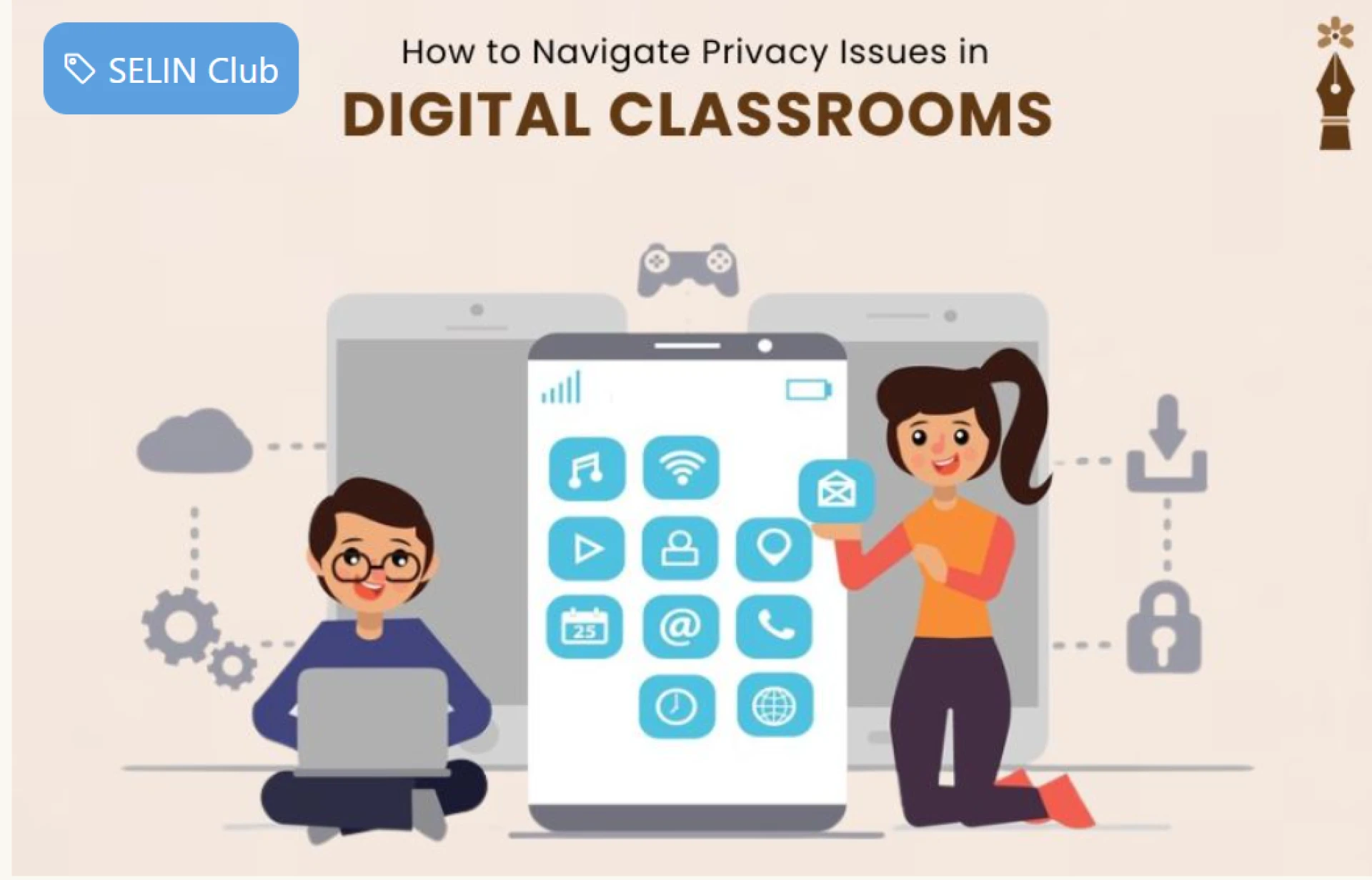
Understanding Privacy Issues in Digital Classrooms
1. Online Classroom Data Security
The information collected by online learning platforms contains extensive student data points that include both standard personal information and behavioral analytical measures. Student data remains at risk of being breached because inadequate security creates vulnerabilities that allow attackers to steal personal information which leads to identity theft possibilities along with multiple cyber threats. Student data must always remain protected using strict cybersecurity protocols which should be combined with ongoing security checks as well as access restrictions to prevent potential risks.
2. How to Protect Student Privacy Online
Each school needs to activate the best methods for protecting students' data. The steps of using encryption along with strong passwords and limited data access help organizations reduce potential hazards. All schools need to create explicit rules for data distribution and application while protecting students' private information from unauthorized users.
3. Digital Learning and Privacy Concerns
The transition to remote education creates debate about both the monitoring practices and the terms of data storage. Educational institutions need to maintain student privacy during monitoring while monitoring student participation. Students require full visibility into the processes that manage their data collection as well as storage and distribution procedures. The rights of students within digital privacy must receive specific education.
4. Cybersecurity in Online Education
Digital classrooms depend on cybersecurity strategies for their complete protection. Schools must purchase firewalls in addition to implementing secure cloud storage systems and running frequent updates of their security measures to stop cyberattacks. Every staff member at the school as well as teachers and students needs to complete mandatory cybersecurity training.
Best Practices for Student Data Privacy
The protection of student data requires schools to establish secure systems along with clear education for teachers parents and students. Educational facilities need to establish encrypted communication platforms along with MFA requirements and restrict their information collection to essential educational data. Rapid security checks combined with system updating help organizations fix weak points and student safety training makes students better able to detect possible online threats. Each school needs to examine third-party educational products to verify that they follow privacy rules and create specific guidelines for how long student data should be saved to prevent unauthorized use of student data.
Use Encrypted Communication: Ensure that emails, messages, and video calls are end-to-end encrypted to prevent unauthorized interception.
Read the complete article on SelinClub