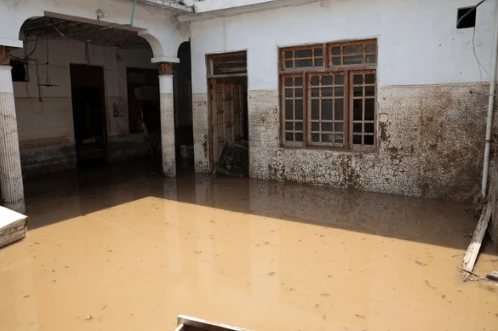
Flood events impose an immediate and profound disruption on residential properties, leaving behind not only visible destruction but also hidden hazards that can compromise structural integrity, health, and long-term property value. In the aftermath of such an event, the instinct to return home quickly is understandable. However, entering a flood-affected residence without adequate preparation can pose serious risks. This guide explores, in a measured and professional narrative, how homeowners can safely re-enter their homes after a flood while aligning with best practices recognized in Water Damage Restoration Cottage Grove, WI.
By following a disciplined and methodical approach, property owners can protect themselves, preserve their investment, and lay the groundwork for a successful recovery process supported by experienced professionals such as Voda Cleaning & Restoration of Madison.
Understanding the Hidden Dangers After a Flood
Floodwaters are rarely benign. Beyond the obvious standing water and debris, they often carry contaminants, sewage, chemicals, and biological hazards. Structural components may be weakened, electrical systems compromised, and indoor air quality severely degraded. The absence of visible damage does not equate to safety.
Professional restoration standards emphasize that the post-flood environment must be treated as unstable until proven otherwise. This perspective forms the cornerstone of Water Damage Restoration Cottage Grove, WI methodologies, which prioritize safety, assessment, and controlled re-entry.
Step One: Wait for Official Clearance
Before approaching a flood-impacted property, homeowners should wait for confirmation from local authorities that it is safe to return. Emergency management agencies typically assess neighborhood-wide risks such as downed power lines, gas leaks, or contaminated water supplies.
Premature entry can expose individuals to hazards beyond the scope of personal preparedness. From a corporate risk management perspective, compliance with official clearance is not merely recommended; it is essential.
Step Two: Conduct a Visual Exterior Inspection
Upon arrival, the initial evaluation should occur from a safe distance. Observers should look for:
- Structural displacement or foundation cracks
- Sagging roofs or damaged load-bearing walls
- Visible mold growth or water lines indicating flood depth
- Gas odors or hissing sounds
If any of these conditions are present, entry should be deferred until a professional inspection is completed. Reputable providers specializing in Water Damage Restoration Cottage Grove, WI often begin with a comprehensive exterior and structural assessment to determine the viability of safe entry.
Step Three: Equip Proper Personal Protective Gear
Flood recovery is not an activity suited for casual attire. Proper personal protective equipment significantly reduces exposure to harmful substances. At a minimum, individuals should wear:
- Waterproof boots with puncture-resistant soles
- Heavy-duty gloves
- Protective eyewear
- Respiratory protection suitable for mold and particulate matter
Professional restoration firms, including Voda Cleaning & Restoration of Madison, adhere to stringent safety protocols and utilize advanced protective equipment, underscoring the importance of this step for homeowners as well.
Step Four: Approach Utilities With Extreme Caution
Utilities represent one of the most significant post-flood hazards. Electrical systems submerged in water can remain energized, and gas lines may have shifted or ruptured.
Before entering the home, electricity should be shut off at the main breaker, provided it can be done safely and without standing water. Gas and water supplies should also be turned off if damage is suspected. If there is uncertainty, licensed professionals should be engaged immediately.
This controlled approach aligns with the operational discipline practiced in Water Damage Restoration Cottage Grove, WI, where utility stabilization is a priority before interior access is granted.
Step Five: Enter Slowly and Assess Structural Stability
Once entry is deemed safe, movement inside the home should be deliberate and cautious. Floors may be weakened, staircases unstable, and ceilings compromised. Using a sturdy tool to test surfaces before bearing weight is advisable.
Doors should be opened carefully, as floodwater pressure can cause sudden structural shifts. The interior assessment should focus on identifying areas of immediate danger rather than initiating cleanup efforts prematurely.
Step Six: Avoid Contact With Contaminated Materials
Floodwater often leaves behind sediment, sludge, and debris laden with contaminants. Direct contact should be avoided whenever possible. Porous materials such as carpets, upholstery, and insulation may harbor bacteria and mold spores even if they appear dry.
At this stage, professional intervention becomes critical. Firms like Voda Cleaning & Restoration of Madison are equipped to handle contaminated materials in accordance with industry regulations, ensuring both safety and compliance.
Step Seven: Document Damage Thoroughly
Before removing or discarding any items, comprehensive documentation should be completed. Photographs and videos of all affected areas and possessions are invaluable for insurance claims and restoration planning.
This documentation phase is a standard component of Water Damage Restoration Cottage Grove, WI services, providing a factual record that supports transparency, accountability, and efficient project management.
Step Eight: Understand the Risk of Mold and Air Quality Issues
Mold growth can begin within 24 to 48 hours after water intrusion. Even if visible mold is not present, elevated humidity and damp materials create an environment conducive to microbial proliferation.
Re-entering a home without addressing moisture control can result in long-term indoor air quality issues. Professional drying, dehumidification, and air filtration are essential elements of a comprehensive restoration strategy.
Voda Cleaning & Restoration of Madison employs industrial-grade equipment and scientifically guided processes to mitigate these risks effectively.
Step Nine: Initiate Controlled Cleanup, Not Full Restoration
Homeowners may be tempted to begin extensive cleanup immediately. However, without proper drying and assessment, such efforts can inadvertently exacerbate damage or spread contaminants.
Initial actions should be limited to removing personal valuables and ensuring safety. Full restoration should be entrusted to qualified specialists familiar with the rigorous standards of Water Damage Restoration Cottage Grove, WI.
Step Ten: Engage Professional Restoration Services
The transition from safe entry to full recovery marks a critical juncture. Professional restoration services provide:
- Comprehensive damage assessment
- Water extraction and structural drying
- Mold remediation and odor control
- Sanitization and restoration planning
Engaging an experienced provider ensures that recovery efforts are efficient, compliant, and aligned with long-term property preservation. Voda Cleaning & Restoration of Madison exemplifies this integrated approach, offering both technical expertise and strategic oversight throughout the restoration lifecycle.
The Strategic Importance of Professional Guidance
Flood recovery is not merely a physical process; it is a strategic endeavor that balances safety, compliance, and asset protection. Attempting to navigate this process without professional guidance increases the likelihood of secondary damage, health risks, and financial loss.
Within the framework of Water Damage Restoration Cottage Grove, WI, safe re-entry is viewed as the foundation upon which all subsequent restoration efforts are built. It is a phase that demands patience, discipline, and informed decision-making.
Conclusion: Safety as the First Investment in Recovery
Entering a home after a flood is a moment of both relief and vulnerability. While the desire to reclaim normalcy is powerful, safety must remain the governing principle. By adhering to a structured approach—waiting for clearance, assessing risks, using protective equipment, and engaging qualified professionals—homeowners can protect themselves and their property.
Organizations such as Voda Cleaning & Restoration of Madison stand as trusted partners in this process, transforming uncertainty into a controlled, professional recovery. Through careful planning and adherence to best practices, the path from flood impact to full restoration becomes not only safer, but strategically sound.
In the broader context of Water Damage Restoration Cottage Grove, WI, safe entry is not simply a precautionary step; it is the first decisive action toward restoring stability, value, and peace of mind.