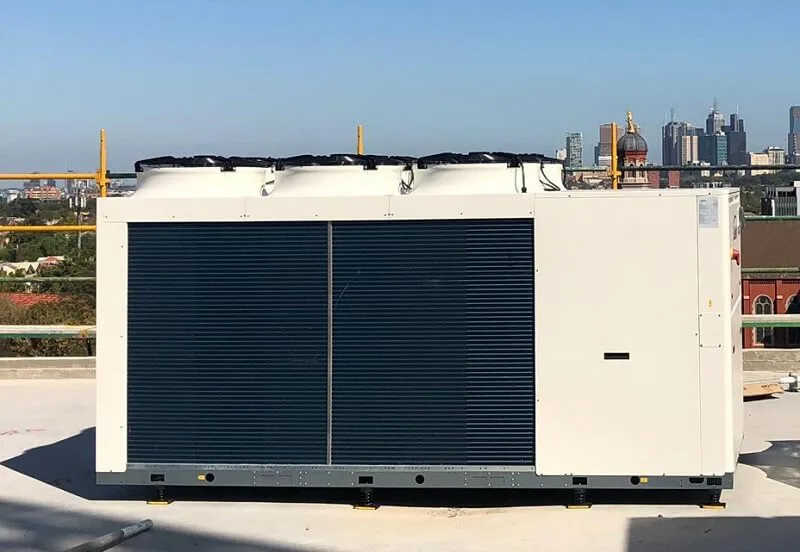
Hydronic heating systems are one of the most efficient and comfortable ways to heat homes in colder months, especially in climates like Melbourne where winter temperatures can drop significantly. Unlike forced-air systems, hydronic heating uses heated water circulated through pipes and radiators or in-floor systems to deliver consistent, quiet, and energy-efficient warmth.
However, like any mechanical system, hydronic heating requires regular servicing to maintain performance, safety, and energy efficiency. A professional inspection ensures your system runs smoothly, avoids costly breakdowns, and extends its lifespan.
Why Regular Hydronic Heating Servicing Matters
Hydronic systems are known for durability, but they are not maintenance-free. Over time, components such as boilers, pumps, valves, and pipework can develop issues like scaling, leaks, or pressure imbalances.
A scheduled inspection helps to:
- Improve energy efficiency and reduce heating bills
- Detect leaks or corrosion early
- Maintain consistent indoor temperatures
- Prevent unexpected system failures during winter
- Ensure safe operation of gas or electric boilers
- Extend the lifespan of the system
Skipping regular servicing can lead to reduced heating performance and expensive emergency repairs.
1. System Pressure and Boiler Inspection
A core part of any hydronic heating service is checking the boiler and system pressure.
Technicians will typically:
- Inspect boiler operation and ignition system
- Check water pressure levels in the closed-loop system
- Test temperature controls and thermostats
- Examine heat exchangers for scale or corrosion
If pressure is too low or too high, it can affect circulation and heating efficiency. Adjustments are made to ensure the system operates within manufacturer-recommended levels.
2. Pump and Circulation Check
The circulation pump is responsible for moving heated water through the system. If it fails or underperforms, heat distribution becomes uneven.
During inspection, a technician will:
- Test pump operation and flow rate
- Check for unusual noise or vibration
- Inspect seals and fittings for leaks
- Ensure consistent water circulation through all zones
Any signs of wear may indicate the need for repair or replacement before a breakdown occurs.
3. Radiators and Pipework Examination
Radiators and underfloor heating pipes are the final delivery points of heat, so they must be in good condition.
A professional service includes:
- Checking radiators for cold spots (air pockets or sludge buildup)
- Bleeding radiators if required
- Inspecting visible pipework for leaks or corrosion
- Ensuring even heat distribution across rooms
- Testing zone valves for correct operation
If sludge buildup is found, a system flush may be recommended to restore performance.
4. Leak Detection and Water Quality Testing
Even small leaks can reduce efficiency and damage flooring or walls over time.
Technicians will:
- Inspect joints, valves, and fittings for leaks
- Test system water quality (pH levels and contamination)
- Look for signs of rust, sludge, or bacterial growth
- Recommend chemical treatment if needed
Maintaining clean system water is essential for long-term performance and prevents internal corrosion.
5. Thermostat and Control System Calibration
Modern hydronic systems often include advanced zoning and smart thermostats. These controls ensure different rooms maintain different temperatures efficiently.
A professional inspection will:
- Test thermostat accuracy
- Check zoning controls and actuators
- Recalibrate temperature settings if needed
- Verify communication between sensors and boiler
- Ensure energy-efficient programming settings
Incorrect calibration can lead to overheating, underheating, or unnecessary energy consumption.
6. Safety Checks (Gas or Electric Systems)
Safety is a top priority, especially for gas-powered hydronic boilers.
Technicians perform:
- Gas leak testing (if applicable)
- Flue and ventilation inspection
- Carbon monoxide safety checks
- Electrical wiring inspection for electric boilers
- Burner and ignition system testing
These steps ensure the system operates safely and complies with Australian standards.
7. Expansion Tank and Pressure Relief Valve Check
The expansion tank absorbs pressure changes caused by heating water. The pressure relief valve prevents dangerous over-pressurisation.
During servicing, professionals will:
- Check expansion tank pressure and integrity
- Test pressure relief valve operation
- Ensure no water discharge or malfunction
- Replace faulty components if required
These parts are essential for system safety and stability.
8. System Efficiency Testing
To ensure your hydronic heating system is performing optimally, technicians will conduct efficiency tests such as:
- Measuring heat output across zones
- Checking boiler firing rate
- Assessing fuel or electricity usage efficiency
- Identifying heat loss areas
- Recommending insulation or system upgrades
This helps homeowners reduce running costs and improve comfort levels.
9. Full System Cleaning (If Required)
Over time, sludge, rust, and debris can accumulate inside the system, reducing efficiency.
A professional may recommend:
- Power flushing the system
- Adding chemical inhibitors
- Cleaning filters and strainers
- Removing trapped air pockets
This restores optimal flow and heat transfer.
How Often Should You Service Hydronic Heating in Melbourne?
For most households in Melbourne, an annual service is recommended—ideally before winter begins.
However, you may need more frequent checks if:
- The system is over 10 years old
- You notice uneven heating
- You hear unusual boiler or pump noises
- Energy bills suddenly increase
- Radiators are not heating properly
Preventative maintenance is always cheaper than emergency repairs.
Signs Your Hydronic Heating System Needs Servicing
Watch for these common warning signs:
- Radiators not heating evenly
- Boiler frequently switching off
- Strange banging or gurgling noises
- Slow system warm-up time
- Water pressure drops frequently
- Cold spots in floors or rooms
If you notice any of these, a professional inspection should be scheduled immediately.
Final Thoughts
A professional hydronic heating service in Melbourne is more than just a routine check—it’s a complete system health assessment. From boiler safety checks to radiator performance testing, every step ensures your home stays warm, efficient, and safe throughout the colder months.
Regular servicing not only protects your investment but also ensures your system performs at its best when you need it most.
If your hydronic heating system hasn’t been inspected in the last 12 months, now is the ideal time to schedule a professional service before winter demand peaks.