When we think of urban infrastructure, our minds usually drift to the "heavy" stuff—asphalt, concrete, and utility grids.However, there has been a significant change in contemporary city planning. These days, a city's success is determined by how it feels to live there rather than just how many cars it can handle. It's about establishing a "vibe" that entices people to stay, identity, and safety.
Nowhere is this evolution more visible than at the Dubai Water Canal. It’s more than just a waterway; it’s a living, breathing artery that connects the city’s business hubs to its quietest residential corners. But if you visit after the sun sets, you’ll realize the real magic isn’t just in the water—it’s in the light. The canal's transformation into a world-class night-time destination was made possible by a sophisticated blend of decorative street poles, smart LEDs, and a deep understanding of how light shapes human experience.
Why Lighting a Waterfront is a Different Ballgame
Designing lighting for a project like the Dubai Water Canal isn’t as simple as sticking some lamps on a sidewalk. Waterfronts are notoriously "angry" environments for hardware. You’re dealing with high humidity, salt-heavy air that eats through metal, and wind loads that can rattle poorly designed structures.
Beyond the technical hurdles, there’s the human element. Lighting a promenade requires a delicate balance. You need enough light to make cyclists and joggers feel safe, but you don't want a "stadium" effect that ruins the ambiance for a couple on a romantic walk. The strategy at the Canal focused on four pillars:
Safety First: Crystal-clear visibility for everyone from runners to drivers.
Architectural Pop: Using light to draw attention to the landscaping's texture and the bridges' curves.
Visual Comfort: Removing the intense, blinding glare that causes you to squint.
Green energy: Making sure there isn't a significant carbon footprint throughout the entire system.
The Anatomy of the Poles: More Than Just Metal Rods
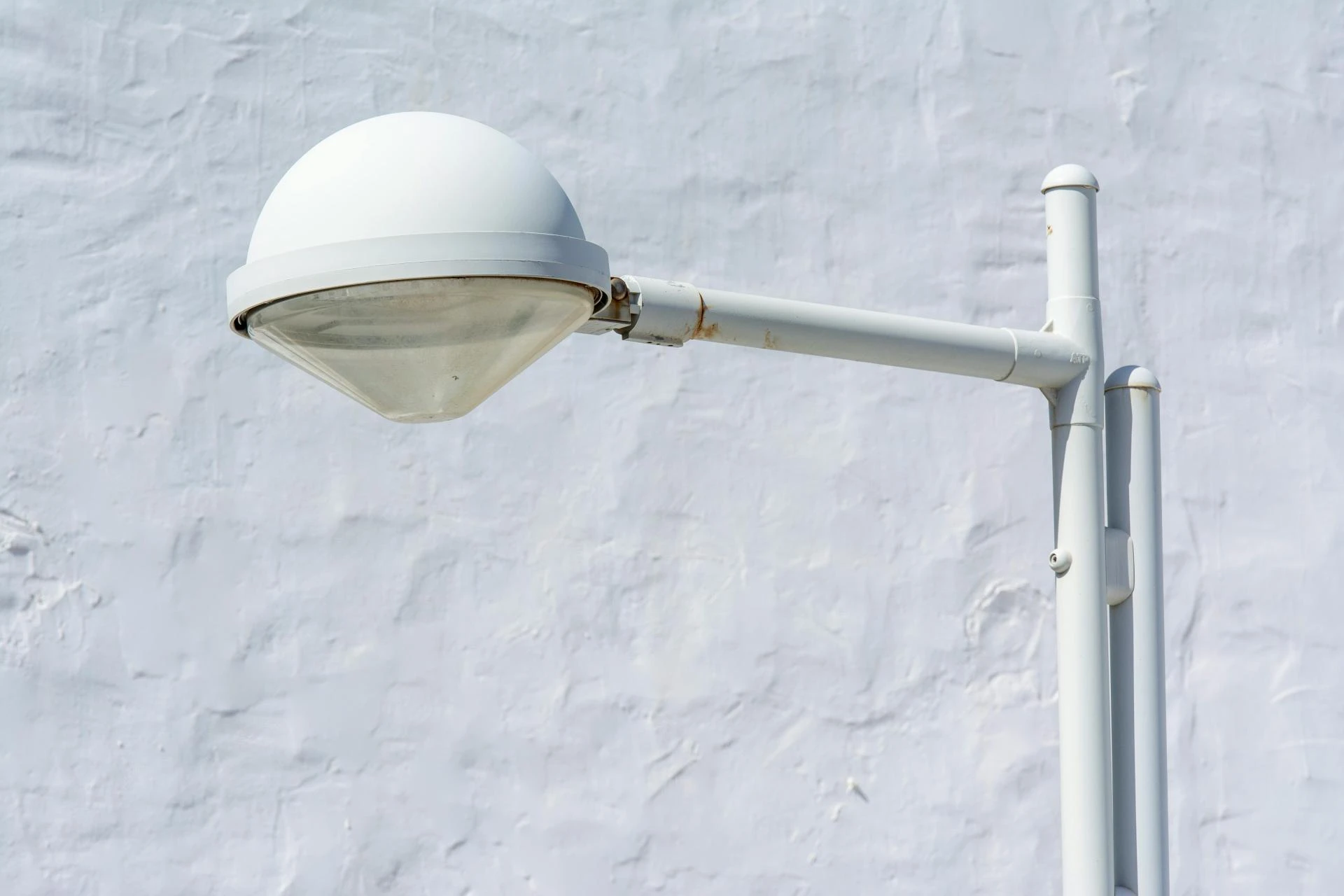
To meet these goals, the project utilized a diverse "family" of street light poles. This wasn't a one-size-fits-all approach.
Decorative Pedestrian Poles: These are the "social" lights. Designed with clean, modern lines, they look like pieces of sculpture during the day and provide a warm, inviting glow at night.
Functional LED Mast Poles: These do the heavy lifting for access roads and service areas, ensuring high-performance illumination where traffic safety is the priority.
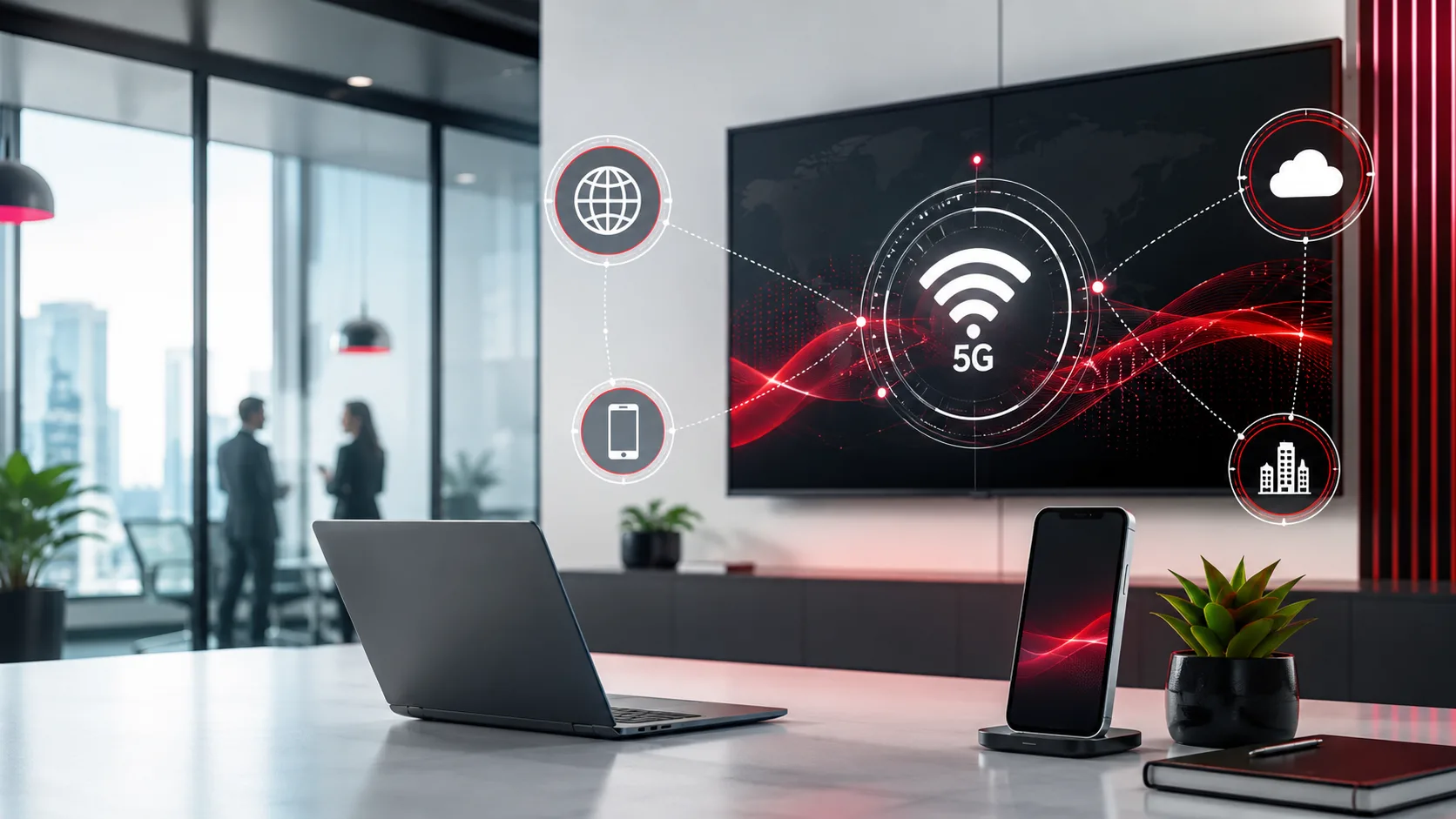
Smart-Enabled Systems: This is the "brain" of the operation. These poles are equipped to be part of a centralized network, allowing the city to dim the lights during quiet hours or ramp them up for special events.
Local Production and Customization: The Secret Sauce
The fact that "off-the-shelf" products seldom work is one of the most important lessons learned from high-profile projects like this one. When creating an iconic piece, you need parts that are specifically designed for the position they occupy.
This is where the value of a local manufacturing powerhouse comes into play. Businesses like Lumenora General Trading LLC have emerged as crucial partners for these advancements in the UAE market. Because they operate their own manufacturing units, they aren't just "middlemen" shipping boxes; they are creators.
When a manufacturer has total control over the factory floor, several things happen:
Weather-Proofing: They can apply specific, high-grade anti-corrosion coatings that are tested for the UAE’s unique coastal climate.
Design Freedom: If a landscape architect wants a pole at a specific height or a custom finish to match a bridge, a manufacturer like Lumenora can just... make it.
Speed: You aren't waiting for a shipping container to cross the ocean. Production happens right here, keeping massive infrastructure projects on schedule.
Sustainability: Lighting the Future Without Burning the Planet
Dubai has a clear vision for the future: smart, sustainable, and sleek. The lighting at the Canal is a testament to this. By integrating high-efficiency LEDs, the energy draw is a fraction of what traditional bulbs would have required.
Furthermore, "Smart City" integration means these poles are "future-proof." They can host sensors, Wi-Fi hotspots, or even environmental monitoring tools. For a company like Lumenora, the goal isn't just to provide a light source; it’s to provide a long-term, low-maintenance solution that saves the municipality money on repairs and electricity over the next twenty years.
A New Standard for the UAE
The Dubai Water Canal has set a high bar. It proved that street lighting shouldn't be an afterthought—it should be a primary feature of urban design. As we see more "Blue Way" projects and mixed-use waterfronts popping up across the Emirates, the demand for custom-engineered, durable, and beautiful lighting is only going to skyrocket.
Companies that combine technical engineering with an eye for design—those who can manufacture, customize, and deliver on a deadline—are the ones who will continue to light the way for our cities. The Canal isn't just a waterway; it’s a glowing example of what happens when smart technology meets masterful manufacturing.