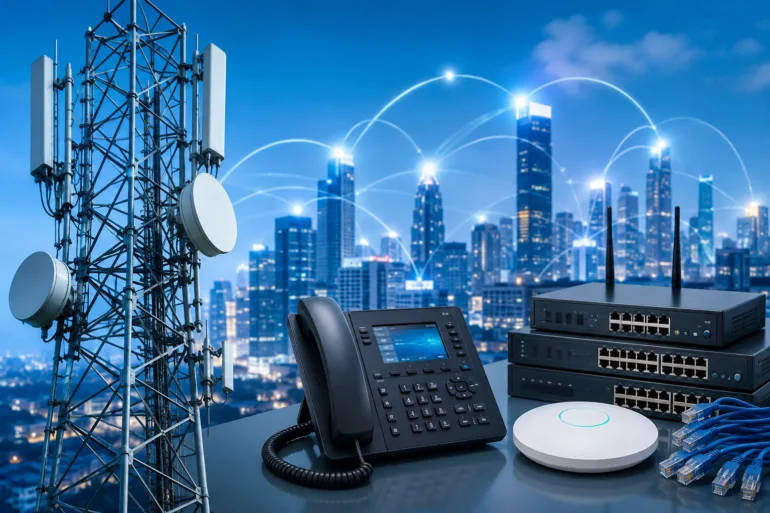
Telecommunications companies and network service providers operate in a highly connected environment where customers expect reliable connectivity and timely assistance. From internet interruptions and billing questions to service activation and technical troubleshooting, every customer interaction can influence satisfaction and long-term loyalty.
For Telecommunications & Network Service Providers, customer support is an important part of service delivery. Partnering with a specialized telecom contact center support provider can help manage customer inquiries, technical assistance, billing concerns and service requests through organized support processes.
Why Is Customer Support Important for Telecom Businesses?
Telecom and broadband customers depend on connectivity for work, communication, entertainment and business operations. When a service issue occurs, they want clear information and a practical resolution.
A structured customer support operation can help providers:
- Respond to service-related questions.
- Manage billing and payment inquiries.
- Handle technical troubleshooting requests.
- Support new customer onboarding.
- Process service changes and upgrades.
- Manage complaints and retention activities.
- Provide assistance across communication channels.
Consistent support helps providers manage customer expectations while maintaining organized service operations.
Common Customer Support Challenges for Network Service Providers
1. High Volumes of Technical Inquiries
Internet and network providers regularly receive questions about connectivity, router configuration, slow speeds, outages and service availability. Trained support agents can handle initial troubleshooting and route complex technical issues to the appropriate specialists.
2. Billing Disputes and Payment Questions
Customers may contact providers about unexpected charges, payment confirmations, invoices or account balances. A structured billing support process helps agents document concerns and coordinate appropriate resolutions.
3. Service Activation and Account Management
New customers may need assistance with installation appointments, activation updates, account information and plan changes. Organized follow-ups can make the onboarding experience easier to manage.
4. Customer Retention
Unresolved technical problems and repeated billing concerns can affect customer relationships. Retention support can help identify customer concerns, communicate available options and coordinate follow-up activities.
5. Managing Multiple Communication Channels
Customers may prefer phone calls, email, live chat or messaging. Omnichannel support helps businesses manage inquiries across different channels while maintaining consistent service processes.
How Outsourced Telecom Support Can Help
Outsourcing selected customer support activities gives telecommunications companies access to additional agents and operational support without having to expand every internal function.
Depending on the service agreement, outsourced teams may assist with:
- Inbound customer service.
- Technical support and troubleshooting.
- Billing inquiry management.
- Outbound customer follow-ups.
- Service activation assistance.
- Complaint handling.
- Customer retention campaigns.
- Multilingual customer communication.
Businesses should define the responsibilities, escalation procedures and system access permissions before transferring customer-facing activities to an external provider.
Why Compliance and Complaint Management Matter
Telecommunications providers must take customer complaints seriously and maintain clear procedures for recording, investigating and responding to service concerns.
The Federal Communications Commission (FCC) provides an official Consumer Complaint Center, where consumers can submit complaints about telecommunications services, including internet, phone and related services.
For network providers, this reinforces the importance of accurate complaint documentation, timely communication and appropriate escalation processes.
What to Look for in a Telecom Contact Center Partner
Before selecting an outsourcing provider, evaluate the following:
- Telecom experience: Understand whether agents can support connectivity, billing and account-related inquiries.
- Technical support capabilities: Check how troubleshooting requests and complex issues are escalated.
- Flexible support hours: Determine whether the provider can support your required operating schedule.
- Data security: Review access controls, confidentiality procedures and customer information handling.
- Quality monitoring: Ask how calls, interactions and agent performance are evaluated.
- Scalability: Confirm whether support capacity can adjust to changing customer volumes.
A clearly defined service model helps maintain consistent customer experiences.
How Worldwide Call Center Supports Telecommunications Businesses
Worldwide Call Center provides telecom contact center solutions for telecommunications companies, mobile operators, internet service providers and broadband businesses. Its published service offerings include customer support, technical troubleshooting, billing assistance, complaint resolution, customer retention and omnichannel engagement.
Explore its Telecom Contact Center Services to learn more about the available support solutions.
Visit the Worldwide Call Center homepage to explore its broader customer support and outsourcing services.
Frequently Asked Questions
1. What are telecommunications and network service providers?
These businesses provide communication and connectivity services such as internet access, broadband, mobile networks, voice communication and related network solutions.
2. Why do telecom companies outsource customer support?
Outsourcing can provide additional support capacity, trained agents, extended service coverage and assistance with customer inquiries without requiring every activity to be managed internally.
3. What does a telecom contact center handle?
It may manage technical inquiries, billing questions, service activation, account support, complaints, plan changes and customer retention activities.
4. Can outsourced agents provide technical support?
Yes. Trained agents can handle approved first-level troubleshooting and route complex network or infrastructure issues to specialized technical teams.
5. Can telecom customer support operate 24/7?
Yes, depending on the provider's staffing model and service agreement. Businesses should confirm operating hours and channel availability before starting.