Why Do Hormones Matter for Fertility?
Hormones act like chemical messengers in the body. They help coordinate the menstrual cycle, ovulation, egg development, and the preparation of the uterus for pregnancy.
When these hormonal signals are not properly balanced, conception may sometimes become more difficult.
However, hormonal imbalance is not one single condition. Different hormones can be affected for different reasons, and the symptoms may vary from one woman to another.
For couples researching Infertility Clinics in Calicut, understanding the role of the fertility hormone system can help explain why doctors may recommend blood tests and other investigations before suggesting treatment.
The good news is that many hormone-related fertility problems can be identified and managed when the underlying cause is understood.
How Does the Hormonal System Control Ovulation?
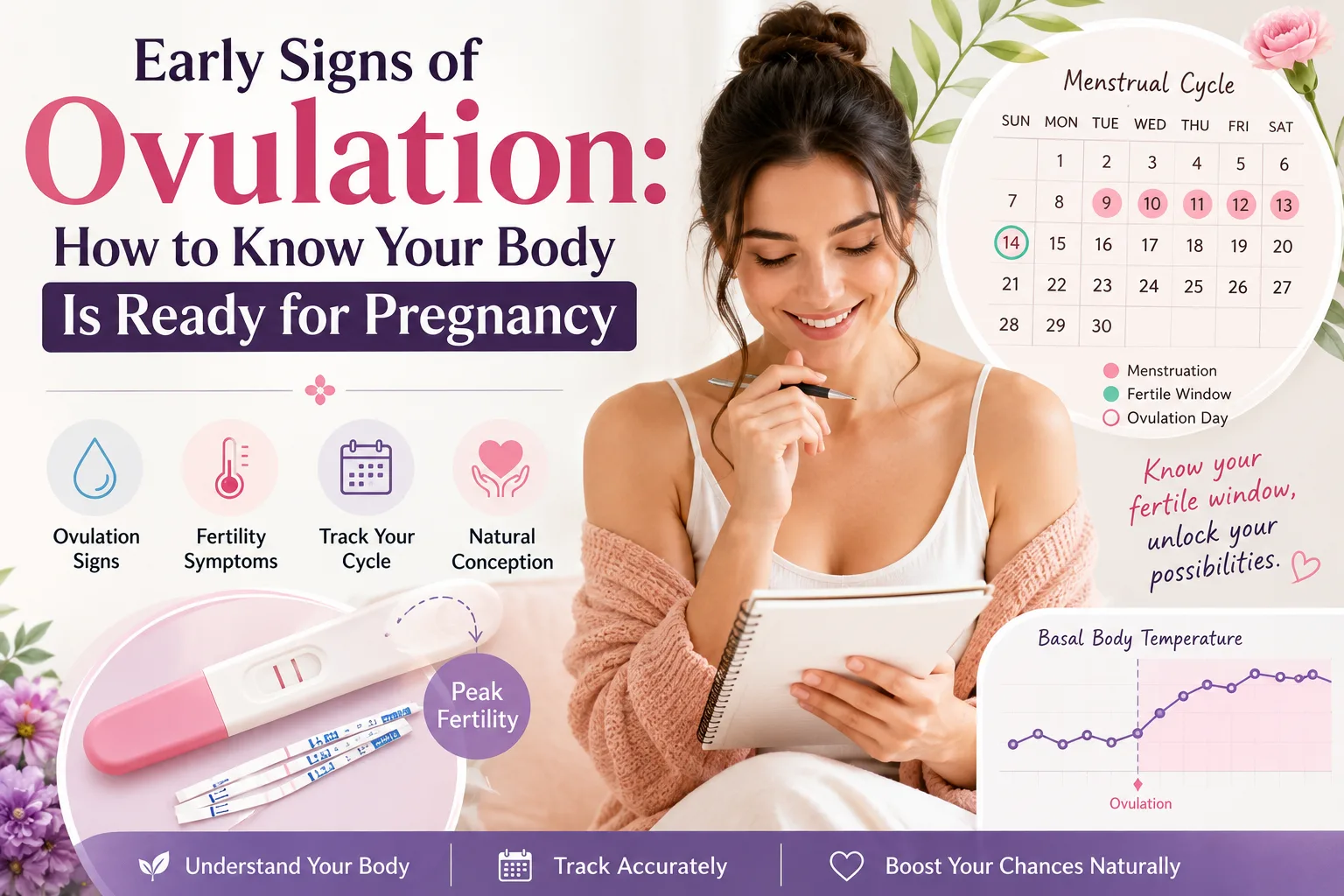
A woman's menstrual cycle involves communication between the brain and the ovaries.
The hypothalamus and pituitary gland send hormonal signals that help the ovaries develop follicles and release an egg.
Several hormones work together during this process.
If this communication is disrupted, ovulation may become irregular or may not happen.
Since pregnancy requires the release of an egg, problems with ovulation can significantly affect natural conception.
Follicle-Stimulating Hormone
Follicle-stimulating hormone, commonly called FSH, helps stimulate the growth of ovarian follicles.
During the menstrual cycle, follicles develop inside the ovaries, and one may become dominant and release a mature egg.
FSH levels may be measured as part of a fertility assessment in certain situations.
However, a single hormone result should not be interpreted on its own.
FSH can vary depending on the timing of the test and other factors.
Doctors usually consider it alongside age, menstrual history, ovarian reserve, and other findings.
Luteinizing Hormone
Luteinizing hormone, or LH, plays an important role in triggering ovulation.
A rise in LH occurs before the release of the egg.
Problems involving LH regulation may sometimes affect ovulation.
In conditions such as PCOS, hormonal patterns may be altered, although the exact presentation differs between women.
This is why hormone results should always be interpreted in the context of the patient's symptoms and medical history.
Estrogen and the Menstrual Cycle
Estrogen is another important reproductive hormone.
It contributes to follicle development and helps prepare the uterine lining during the menstrual cycle.
Estrogen levels naturally change throughout the cycle.
Abnormal hormone levels, whether higher or lower than expected, may sometimes suggest an underlying concern, but the results must be interpreted based on the timing of the blood test.
The same hormone result can mean different things depending on the stage of the menstrual cycle.
Progesterone and Ovulation
Progesterone rises after ovulation.
It helps prepare and maintain the uterine lining for a possible pregnancy.
A progesterone test may sometimes be used to help determine whether ovulation has occurred.
If ovulation does not happen regularly, progesterone levels may not rise as expected.
However, progesterone testing must be timed appropriately to provide useful information.
Your fertility specialist can decide whether testing is necessary and when it should be performed.
Thyroid Hormones and Fertility
The thyroid gland produces hormones that influence metabolism and several body functions.
Thyroid disorders may sometimes affect menstrual cycles and reproductive health.
Both underactive and overactive thyroid conditions can be associated with fertility problems in some women.
Symptoms may include:
- Changes in menstrual cycles
- Fatigue
- Weight changes
- Temperature sensitivity
- Changes in mood
However, these symptoms are not specific to thyroid disorders.
Blood tests can help determine whether thyroid function needs further evaluation.
If a thyroid problem is identified, appropriate treatment may help restore hormonal balance and support reproductive health.
Prolactin and Conception
Prolactin is a hormone associated primarily with breast milk production.
When prolactin levels are abnormally high outside pregnancy and breastfeeding, it may interfere with the hormonal signals needed for ovulation.
Some women with elevated prolactin may experience:
- Irregular periods
- Absent periods
- Difficulty ovulating
- Unexpected breast discharge
Not everyone with elevated prolactin has obvious symptoms.
If testing shows an abnormal level, the doctor may recommend further evaluation to understand the cause.
PCOS and Hormonal Imbalance
Polycystic ovary syndrome is one of the common conditions associated with ovulation problems.
Women with PCOS may experience irregular periods because ovulation does not occur consistently.
Other features may include:
- Excess hair growth
- Acne
- Weight changes
- Insulin resistance
However, PCOS can present differently from one woman to another.
Having PCOS does not mean that pregnancy is impossible.
Depending on the patient's age, ovulation pattern, and other fertility factors, treatment may include lifestyle changes, medication to support ovulation, IUI, or IVF.
Can Hormonal Imbalance Cause Infertility?
Yes, certain hormonal disorders can contribute to infertility.
For example, problems with ovulation may make it difficult for sperm and egg to meet at the right time.
However, not every fertility problem is caused by hormones.
Other factors may involve:
- Fallopian tube blockage
- Endometriosis
- Uterine conditions
- Reduced ovarian reserve
- Age-related egg changes
- Male fertility factors
This is why hormone testing should be part of a complete fertility assessment rather than the only investigation.
How Are Hormonal Fertility Problems Diagnosed?
The evaluation depends on the woman's symptoms and medical history.
Doctors may consider:
- Menstrual cycle patterns
- Ovulation history
- Blood hormone tests
- Thyroid testing
- Ovarian reserve assessment
- Pelvic ultrasound
The timing of hormone tests can be important.
Some hormones change significantly during the menstrual cycle, so testing on the correct day may provide more meaningful information.
Your doctor may therefore recommend specific tests at specific times.
Can Hormonal Imbalance Be Treated?
Treatment depends entirely on the underlying cause.
For example, thyroid disorders may require thyroid medication.
Elevated prolactin may require further investigation and appropriate medical treatment.
Ovulation problems associated with PCOS may be managed using lifestyle changes and fertility medications.
Some women may require assisted reproductive treatment if other fertility factors are also present.
The important point is that there is no single "hormone treatment" that works for every woman.
Treatment should be based on the diagnosis.
Should You Test All Fertility Hormones?
Not necessarily.
More testing does not always mean better fertility care.
The doctor may recommend specific tests based on:
- Age
- Menstrual pattern
- Previous pregnancy history
- Symptoms
- Medical conditions
- Previous fertility treatment
Testing should answer a clinical question.
Unnecessary hormone testing can sometimes create confusion, especially when normal hormonal fluctuations are mistaken for disease.
Understanding Hormones Before Choosing Treatment
Hormones play an important role in the reproductive process, but fertility is influenced by much more than hormone levels alone.
If you are exploring Infertility Clinics in Calicut, a proper evaluation can help determine whether hormonal factors are affecting ovulation or conception. At Dr. Aravind's IVF Fertility & Pregnancy Centre, couples can discuss menstrual patterns, previous fertility history, and relevant investigations before deciding on a treatment approach.
A Best fertility Doctor in Kerala should not treat a laboratory number in isolation. The more useful approach is to understand the complete clinical picture and identify the reason behind the hormonal change.
Whether the solution involves treating a thyroid disorder, managing PCOS, correcting another hormonal problem, supporting ovulation, or considering assisted reproduction, the right treatment begins with the right diagnosis.
Hormonal imbalance can sound complicated, but understanding what is happening inside the body can make fertility care much easier to navigate.
Book Your Appointment at Dr. Aravind's IVF Fertility & Pregnancy Centre:
https://www.draravindsivf.com/book-your-appointment
Contact Us
Dr. Aravind's IVF Fertility & Pregnancy Centre
No. 1118/A, Opp. Metromed Cardiac Hospital, Kannur Bypass, Palazhi, Kozhikode, Kerala - 673014
Phone: +91 90 2012 2012
Email: [email protected]
Frequently Asked Questions
Which hormones are important for female fertility?
FSH, LH, estrogen, progesterone, thyroid hormones, and prolactin can all have roles in reproductive health, although the importance of each depends on the individual situation.
Can thyroid problems affect fertility?
Yes. Thyroid disorders may sometimes affect menstrual cycles and ovulation. Appropriate diagnosis and treatment may help improve reproductive health.
Does PCOS always cause infertility?
No. Many women with PCOS conceive naturally or with appropriate fertility treatment. The main challenge is often irregular or absent ovulation.
Can hormonal imbalance be cured?
Some hormonal conditions can be effectively managed or treated. The outcome depends on the underlying cause.
Is one abnormal hormone test enough to diagnose infertility?
Usually not. Hormone levels can change naturally, and results need to be interpreted alongside symptoms, cycle timing, age, and other fertility investigations.