Digital information has become an essential part of everyday life. Businesses store customer records, financial documents, applications, databases, and operational files, while individuals keep photographs, videos, personal documents, and other important information on their computers. As the amount of digital content continues to grow, having sufficient and dependable storage becomes increasingly important.
Computer storage devices provide the space needed to save information and access it whenever required. Among the available storage technologies, traditional internal drives remain a practical option for many desktop computers, workstations, and server environments. Understanding their features, capacities, performance, and compatibility can help users choose a suitable solution for their storage requirements.
Understanding Internal Computer Storage
An internal storage drive is a hardware component installed inside a computer or compatible system. It stores the operating system, software applications, documents, and other digital information. Unlike temporary memory, which holds information while programs are running, internal storage keeps files available even when the computer is switched off.
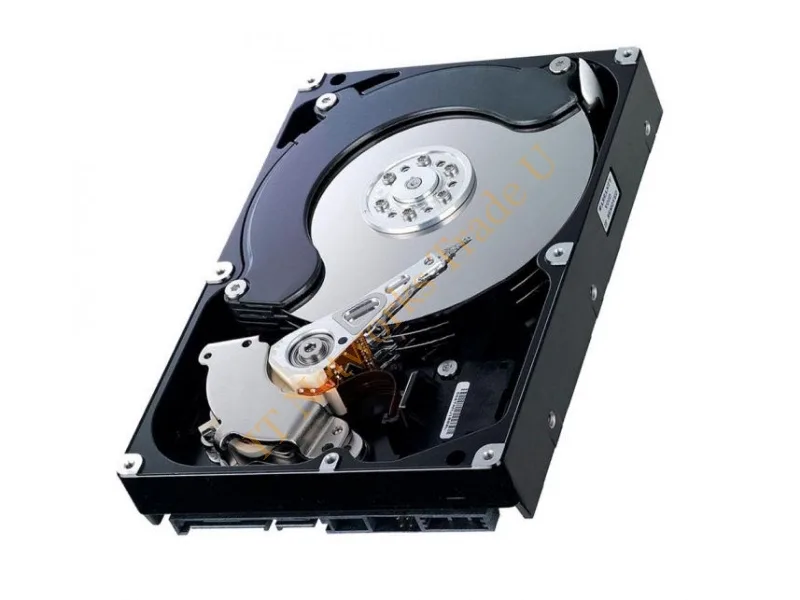
Traditional hard disk drives use rotating magnetic platters and read/write heads to store and retrieve information. This technology has been used in computers for many years and remains relevant because it offers substantial storage capacity at a relatively accessible cost per gigabyte.
Internal drives are available in different capacities, physical sizes, and connection interfaces. Their suitability depends on the computer's design, the motherboard's supported connections, and the user's performance expectations. Checking these specifications before purchasing helps prevent compatibility problems.
How Internal Hard Drives Support Data Storage
Internal Hard Drives provide a practical way to store operating systems, applications, business documents, multimedia files, and other digital information within a computer. They are commonly used in desktop systems, workstations, and compatible server configurations where additional storage capacity is required.
For businesses, reliable internal storage helps maintain access to important operational information. Departments may use it to store reports, customer records, project files, software, and archived documents. Home users can also benefit from additional space for photographs, videos, games, and personal collections.
One important advantage of traditional magnetic storage is its ability to offer large capacities for different workloads. Organizations managing extensive files may find it useful for storing information that does not require the fastest possible access speeds. However, the correct choice depends on the intended application, expected workload, and overall system configuration.
Important Features to Consider Before Buying
Selecting a suitable storage device requires more than comparing available capacities. Buyers should review several technical features to ensure that the drive meets their requirements.
Storage Capacity
Capacity determines how much information a drive can hold. Smaller storage options may be sufficient for basic files and applications, while larger capacities can support extensive document collections, multimedia libraries, backups, and business data.
Organizations should estimate their current storage requirements and consider future growth. Purchasing a drive with appropriate capacity can reduce the need for frequent replacements or additional installations.
Rotational Speed and Performance
Traditional hard drives use rotating platters to read and write information. Rotational speed, commonly measured in revolutions per minute (RPM), can influence how quickly data is accessed. Drives with higher rotational speeds may provide better performance in certain workloads, although actual results also depend on cache size, interface, and system configuration.
Users should consider the type of work being performed. General file storage and archival tasks may have different performance requirements from applications that frequently access large amounts of data.
Interface and Compatibility
The connection interface determines how a drive communicates with the computer. SATA is widely used in desktop computers and many other systems, while certain enterprise environments may support different storage interfaces.
Before purchasing, users should check the motherboard, available drive connectors, supported drive dimensions, and power connections. Physical compatibility is equally important because the drive must fit securely inside the computer case or designated storage bay.
Reliability and Workload Requirements
Storage devices are designed for different operating conditions. A drive intended for occasional desktop use may not be the ideal choice for a system that operates continuously or handles frequent data access requests.
Businesses should review manufacturer specifications, workload ratings, warranty terms, and expected operating conditions. Selecting equipment that matches the intended environment can support more dependable storage operations.
Internal Hard Drives Compared with Solid-State Drives
Traditional hard drives and solid-state drives serve the same basic purpose, but they use different technologies. A traditional drive stores information magnetically on rotating platters, whereas an SSD uses flash memory and has no moving mechanical parts.
SSDs generally provide faster startup times, quicker application loading, and more responsive file access. They can be particularly useful for operating systems and applications that require frequent data access.
Traditional drives, on the other hand, can offer a practical option when substantial storage capacity is required at a lower cost per unit of storage. Many users combine both technologies by installing an SSD for the operating system and frequently used applications while using a traditional drive for larger files and archives.
The most appropriate option depends on budget, performance expectations, available connections, and the type of information being stored.
IT Networks Trade and Storage Solutions
IT Networks Trade provides an online platform where customers can explore technology products and computer hardware for different requirements. Its website includes dedicated categories for storage equipment, helping visitors navigate available options when researching components for desktop computers and other compatible systems.
Through its official website, IT Networks Trade offers a starting point for customers looking into computer storage solutions. Its dedicated internal storage category helps visitors focus their research on drives designed for installation inside compatible computing devices.
For businesses, technicians, and individual buyers, reviewing product specifications before purchasing is an important step. Customers should confirm storage capacity, interface compatibility, physical dimensions, product condition, availability, and warranty information. IT Networks Trade provides an organized online destination for exploring relevant hardware categories as part of this research process.
Installation and Data Protection
Installing an internal storage device requires attention to both physical connections and system configuration. Before installation, users should confirm that the computer supports the selected drive and has the required mounting space, data connection, and power connector.
The computer should be powered down and disconnected from its electrical supply before internal components are handled. Users should also follow appropriate electrostatic precautions to reduce the risk of damaging sensitive hardware. Those unfamiliar with computer installation may prefer assistance from a qualified technician.
After installation, the operating system may require the drive to be initialized, partitioned, and formatted before it becomes available for normal use. Existing drives containing important information should be handled carefully to avoid accidental data loss.
Backups are essential regardless of storage technology. Important files should be copied to a separate drive, secure network location, or suitable cloud storage service. Maintaining more than one copy of critical information can help protect against hardware failure, accidental deletion, and unexpected system problems.
Maintenance Practices for Long-Term Reliability
Good maintenance habits can help support consistent storage performance. Computers should be kept in clean environments with suitable airflow because excessive dust and heat can affect internal components. Secure mounting also matters, particularly for traditional drives that contain moving mechanical parts.
Users should monitor unusual noises, repeated system errors, slow file access, and other unexpected behaviour. These symptoms do not always indicate drive failure, but they may justify checking the device's health using appropriate diagnostic tools.
Businesses should also maintain an organized backup schedule and periodically verify that stored copies can be recovered. Replacing aging equipment before it becomes unreliable may help reduce unexpected interruptions, especially when the drive contains important operational information.
Conclusion
Internal storage is an essential part of modern computing because it provides space for operating systems, applications, business records, and personal files. Traditional magnetic drives remain useful for many storage requirements, particularly when larger capacities and cost considerations are important. Before selecting a device, buyers should evaluate capacity, rotational speed, interface compatibility, reliability, and intended workload. Proper installation, regular monitoring, and consistent backups can further protect important information. By reviewing technical specifications and exploring available options through IT Networks Trade, customers can make informed decisions when choosing storage hardware for their computing environments.