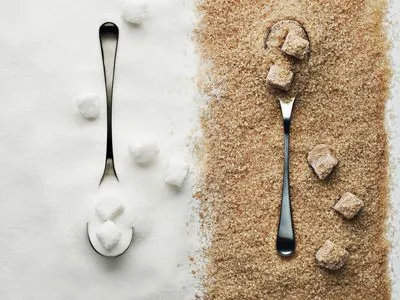
As more people cut back on sugar, ingredients like isomalt are appearing in sugar-free candies, chocolates, bakery fillings and cake decorations. This leads to a common question from consumers, bakers and food manufacturers alike: is isomalt powder actually safe to eat?
In short, isomalt powder is a well-studied sugar substitute that food safety authorities around the world permit for use in food when consumed in reasonable amounts. Like all sugar alcohols (polyols), however, it has some effects that are worth understanding, especially if you eat a lot of it. This guide covers what isomalt is, what the evidence says about its safety, who should take care, and how to use it sensibly.
What Is Isomalt Powder?
Isomalt is a sugar replacer made from sucrose (ordinary sugar) through a two-step process. The sucrose is first converted into isomaltulose, and this is then hydrogenated to produce isomalt, a mixture of two sugar alcohols. It is a white, odourless, crystalline substance with a clean, mildly sweet taste, roughly half to 60% as sweet as sugar.
Isomalt is sold in several forms, including granules, crystals and isomalt powder. It is valued in food production because it:
- Resists moisture absorption better than many sugars
- Stays clear and stable when melted, which suits sugar art and hard candies
- Does not brown easily when heated
- Gives bulk and texture that other sweeteners often cannot
These properties explain why you will find it in sugar-free sweets, chewing gum, cough drops, chocolate coatings, bakery fillings and decorative sugar work.
Is Isomalt Powder Safe to Eat?
Yes, for the general population, isomalt is considered safe when consumed in normal amounts. Isomalt is recognised as a permitted food additive in many regions and is identified by the code E953 on ingredient labels in markets that use E-numbers. International expert bodies and national regulators have reviewed the available evidence, and isomalt has been accepted for use in foods. In the United States it has been evaluated under the FDA’s framework for food ingredients, and in the European Union it is an authorised sweetener and bulking agent.
If you are manufacturing or selling food in India, you should always check the current rules under the Food Safety and Standards Authority of India (FSSAI), including permitted categories and any labelling requirements, because regulations can be updated.
Safety also depends on quantity. Even a safe ingredient can cause discomfort if eaten in large amounts, and isomalt is no exception.
How the Body Handles Isomalt
Understanding how isomalt behaves in the body explains both its benefits and its limits.
It is only partly absorbed. Unlike sugar, isomalt is digested slowly and incompletely in the small intestine. A good portion passes to the large intestine, where gut bacteria ferment it.
It has fewer calories than sugar. Because of this partial absorption, isomalt provides fewer calories per gram than sugar. Figures vary by region and labelling rules, but it is generally around 2 kcal per gram, compared with about 4 kcal for sugar.
It has a very low glycemic impact. Isomalt causes only a small rise in blood glucose and insulin compared with sugar, which is why it appears in many reduced-sugar and sugar-free products.
Health Benefits of Isomalt Powder
Kinder to teeth
Oral bacteria cannot easily turn isomalt into the acids that attack tooth enamel. For this reason, isomalt is classed as tooth-friendly, and regulators in some regions allow a claim that sugar replacers like isomalt help reduce tooth demineralisation when they replace sugar in foods and drinks. It is not a substitute for brushing and dental care, but it is a better choice than sugar for sweets and lozenges.
Lower calories and sugar
Replacing sugar with isomalt powder can help brands create reduced-calorie and sugar-free products. This is helpful for people who want to cut down on sugar while still enjoying sweet foods.
Suitable for many sugar-free diets
Because it barely affects blood sugar, isomalt is often used in products aimed at people who want to limit sugar. That said, it is not automatically “free” of effects on health, and people with diabetes should still check with their doctor or dietitian about how such products fit into their meal plan.
Possible Side Effects and Who Should Be Careful
Digestive discomfort
The most common issue with isomalt is a laxative effect. Because part of it reaches the large intestine unabsorbed, eating a large amount in one sitting can lead to bloating, gas, stomach cramps or loose stools. Tolerance varies widely from person to person. Some people notice symptoms after a small amount, while others tolerate more.
For this reason, many regulators require a warning on products with a high polyol content. In the EU, for example, foods containing more than 10% added polyols must carry a statement that excessive consumption may produce laxative effects.
People with sensitive digestion
Those with irritable bowel syndrome (IBS) or other digestive sensitivities may find sugar alcohols difficult to tolerate. Polyols are part of the FODMAP group of fermentable carbohydrates, which can trigger symptoms in sensitive people.
Children
Children are generally more sensitive to the laxative effect because of their smaller body size. Products made with isomalt should be given in moderation.
People with diabetes
Although isomalt has a low glycemic impact, sugar-free sweets can still contain other ingredients, such as fats, flours and other carbohydrates, that affect blood sugar. Check the full nutrition label and speak with a healthcare professional.
Allergies and medical conditions
Isomalt is not a common allergen, but anyone with a known intolerance to polyols or a medical condition affecting digestion should seek personal medical advice.
Usage Guidelines for Home Bakers and Sugar Artists
Whether you are decorating cakes or making sweets, these tips will help you use isomalt powder safely and effectively:
- Start small. If you or your customers are new to isomalt, begin with modest portions to see how it is tolerated.
- Use it as part of a balanced diet. Treat sugar-free sweets as treats, not as a licence to eat unlimited amounts.
- Label your products clearly. If you sell items made with isomalt, state it on the label and include a note about possible laxative effects where required.
- Handle melted isomalt carefully. Melted isomalt gets extremely hot, hotter than many people expect, and can cause serious burns. Wear protective gloves, keep children away and never touch molten isomalt.
- Store it properly. Keep it in a cool, dry place in an airtight container to avoid clumping and moisture absorption.
- Avoid overheating. Follow the recommended temperatures for your application to prevent discolouration and bubbling.
- Do not treat it as a medical product. Isomalt is a food ingredient and should not be used to treat any health condition.
Guidelines for Food Manufacturers
If you use isomalt in commercial production, safety goes beyond the ingredient itself:
- Source from a reliable supplier who provides a Certificate of Analysis and technical data sheet for every batch.
- Check compliance with FSSAI or any regulations in your export markets, including permitted levels and labelling.
- Test finished products for taste, texture and stability, and consider how consumers might eat them in practice.
- Include appropriate warnings for products with a high polyol content.
- Maintain good storage and handling practices to protect quality and food safety.
Choosing a Trusted Source Matters
The safety of any ingredient also depends on quality and purity. Poorly produced or contaminated material can create risks that have nothing to do with isomalt itself. When buying, ask for specifications, certifications, batch consistency and proper packaging. NewTrend Isomalt India supplies isomalt for confectioners, bakers, sugar artists and food manufacturers, and can provide guidance on grades, applications and handling so that you can use the product with confidence.
Frequently Asked Questions
Is isomalt powder safe for daily use?
In moderate amounts, it is considered safe for most people. Large amounts can cause digestive upset, so moderation is sensible.
Is isomalt powder better than sugar?
It has fewer calories, a lower glycemic impact and is gentler on teeth. However, it can cause laxative effects in larger quantities, so “better” depends on your needs.
Can people with diabetes eat isomalt?
It raises blood sugar much less than sugar, but individual responses and other ingredients matter. Consult a healthcare professional.
Is isomalt natural?
It is derived from sucrose, which comes from sugar beet or sugar cane, but it is produced through industrial processing, so it is not a purely natural ingredient.
Final Thoughts
So, is isomalt powder safe? For most people, yes. It is a recognised, widely used sugar replacer that offers fewer calories, a low glycemic response and tooth-friendly properties. The key is moderation, clear labelling and good-quality sourcing. People with sensitive digestion, children and those managing medical conditions should be a little more cautious.
If you need high-quality isomalt for confectionery, bakery or sugar art, NewTrend Isomalt India is ready to help with product advice, specifications and prompt support. Get in touch today to discuss your requirements and find the right grade for your application.