If there's one topic dominating diamond jewellery conversations right now, it's this: lab-grown diamonds have stopped being the "alternative" choice and become the default one for a growing number of couples. What used to be a niche, budget-driven decision is now a mainstream preference — and it's changing how people shop for engagement, wedding, and anniversary jewellery alike.
Here's why this shift is happening, and what it means at each stage of your diamond journey.
From Compromise to First Choice
For years, lab-grown diamonds were framed as the practical alternative to a mined stone — chemically and optically identical, just more affordable. That framing is fading fast. Younger buyers in particular no longer see lab-grown as a substitute; they see it as the smarter, more transparent, more modern option outright. The appeal comes down to three things: traceable, ethical sourcing; significantly lower cost per carat; and the ability to buy a noticeably larger or higher-quality stone for the same budget.
That last point is the real driver of the trend. Because a lab-grown diamond can cost a fraction of its mined equivalent, couples are choosing bigger carats, better clarity, and better cut grades than they could otherwise afford — without changing what they're spending.
What It Means for Engagement Rings
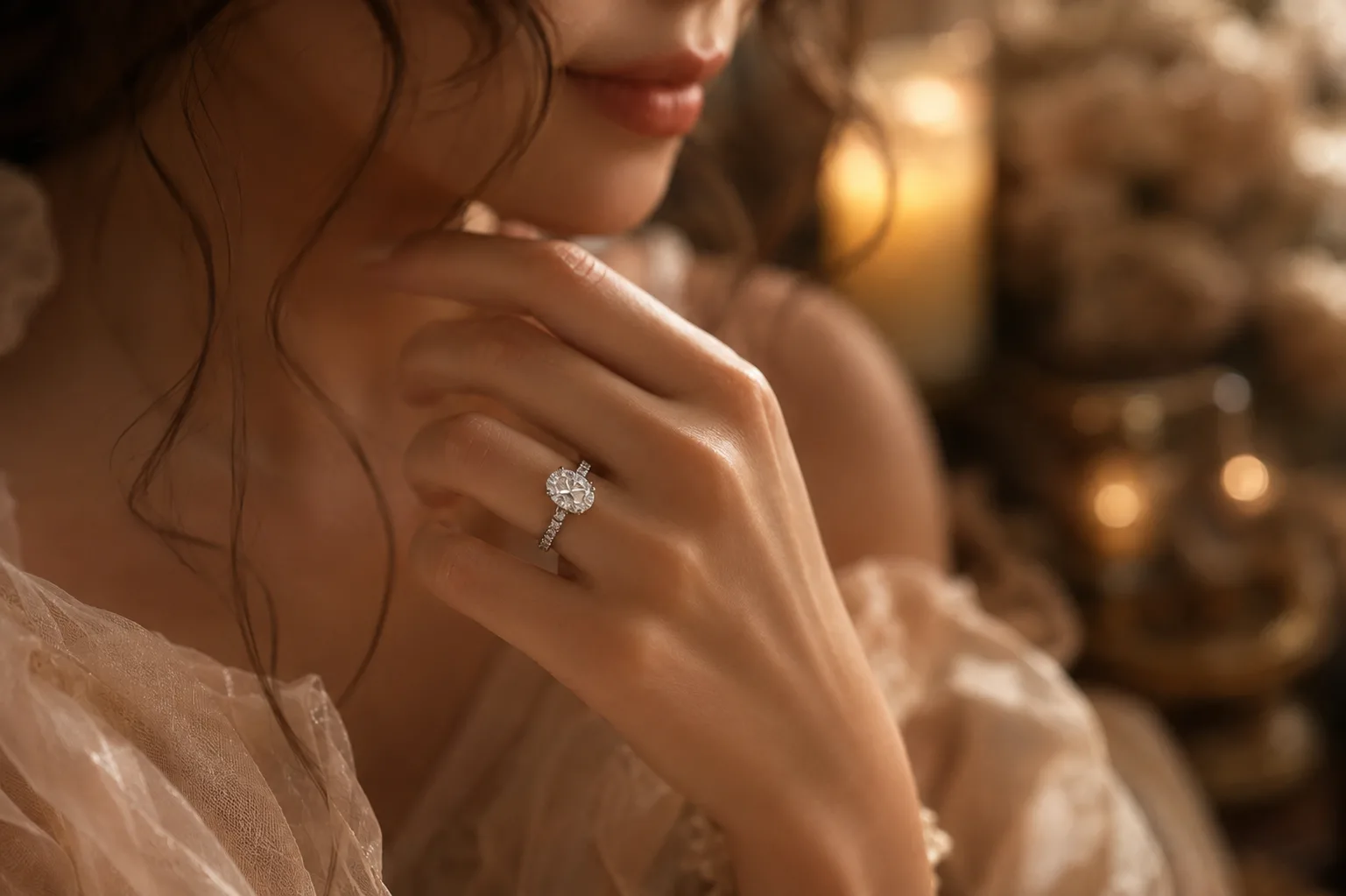
This is where the trend shows up first and most visibly. Buyers exploring diamond jewellery for engagement are increasingly comfortable asking for a larger solitaire or a higher grade on the four Cs — cut, colour, clarity, and carat — simply because the value equation has changed. A round solitaire that once felt out of reach at a given budget is now realistic, which is part of why solitaire engagement rings remain the most requested style even as buying habits shift underneath them.
What It Means for Wedding Jewellery
The same value shift is reaching wedding-day pieces. With more of the budget available after the engagement ring, couples shopping diamond jewellery for wedding are adding more to the day itself — a diamond band, drop earrings, or a pendant that once might have felt like a stretch. Instead of one hero piece, weddings are increasingly built around a small, coordinated set, made possible by the same cost-per-carat advantage driving the trend upstream.
What It Means for Anniversary Gifts
Perhaps the most interesting shift is in anniversary jewellery. Because larger, higher-clarity diamonds are now more attainable, diamond jewellery for anniversary is less often a modest top-up and more often a genuine milestone piece — an eternity band, a statement pendant, or a diamond bracelet that matches the ambition of the original engagement ring, rather than a smaller echo of it.
Why the Trend Is Sticking
A few reasons this looks like a lasting shift rather than a passing fad:
- The value math is hard to argue with. More carat, colour, and clarity for the same spend appeals across every budget level.
- Sourcing transparency matters more than it used to. Buyers increasingly want to know exactly where their diamond came from.
- The Four Cs still apply. A lab-grown diamond is judged on the same cut, colour, clarity, and carat standards as a mined one — so quality, not origin, remains the real measure of a beautiful stone.
- It's no longer a compromise conversation. Couples aren't "settling" for lab-grown; they're actively choosing it for what it enables.