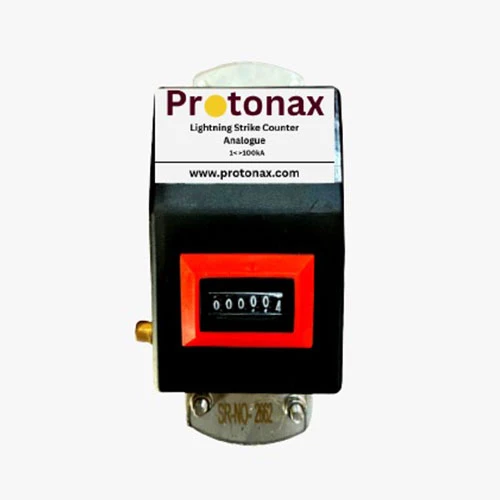
Lightning Strike Counter
Lightning is one of the most unpredictable natural phenomena and can cause severe damage to buildings, electrical systems, and human life. To enhance the safety and reliability of lightning protection systems, a Lightning Strike Counter plays a vital role. This device helps monitor lightning activity by accurately recording the number of lightning strikes intercepted by a lightning arrester system.
What Is a Lightning Strike Counter?
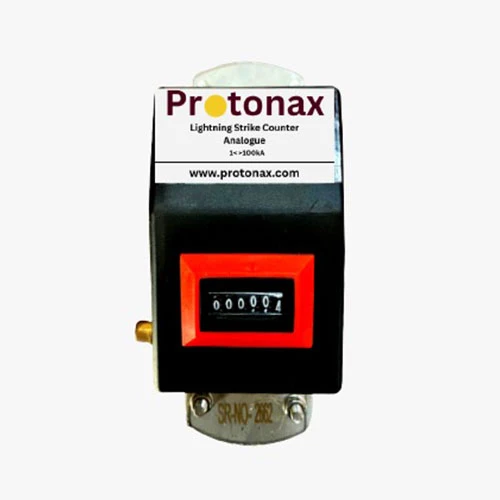
A Lightning Strike Counter is a monitoring device installed along with lightning protection systems such as ESE lightning arresters, spike lightning rods, or conventional lightning conductors. Its primary function is to count and record every lightning strike that passes through the down conductor. This data helps facility managers and engineers assess lightning frequency and system performance.
Lightning strike counters are available in analog and digital versions. Analog counters are mechanical and cost-effective, while digital lightning strike counters offer higher accuracy, better visibility, and data retention features.
Importance of Lightning Strike Counter
Installing a lightning strike counter is crucial for preventive maintenance and safety planning. It provides valuable insights into how often a structure experiences lightning strikes, which helps in evaluating the effectiveness of the installed lightning protection system.
Key benefits include:
- Monitoring lightning strike frequency
- Ensuring proper functioning of lightning arresters
- Planning timely maintenance and inspections
- Enhancing safety compliance with international standards
- Reducing risk of equipment damage and downtime
How Does a Lightning Strike Counter Work?
A lightning strike counter works by detecting the surge current generated when lightning passes through the down conductor. Once the current exceeds a predefined threshold, the counter registers a count. Digital lightning strike counters may also store historical data, making analysis easier and more accurate.
These counters are generally weather-resistant, tamper-proof, and designed to function reliably in extreme outdoor conditions.
Applications of Lightning Strike Counters
Lightning strike counters are widely used across various sectors, including:
- Commercial and residential buildings
- Industrial plants and factories
- Telecommunication towers
- Solar power plants
- Wind turbines
- Airports and oil refineries
In high-risk lightning zones, using a lightning strike counter is highly recommended for safety assurance.
Choosing the Right Lightning Strike Counter
When selecting a lightning strike counter, consider factors such as accuracy, durability, compatibility with lightning arresters, and ease of installation. Digital lightning strike counters are preferred for critical infrastructure due to their advanced features and long-term reliability.
A Lightning Strike Counter is an indispensable component of any lightning protection system. By providing precise lightning strike data, it helps organizations improve safety, optimize maintenance schedules, and ensure compliance with electrical safety standards. Whether you choose an analog or digital lightning strike counter, investing in this device significantly enhances protection against lightning-related hazards.