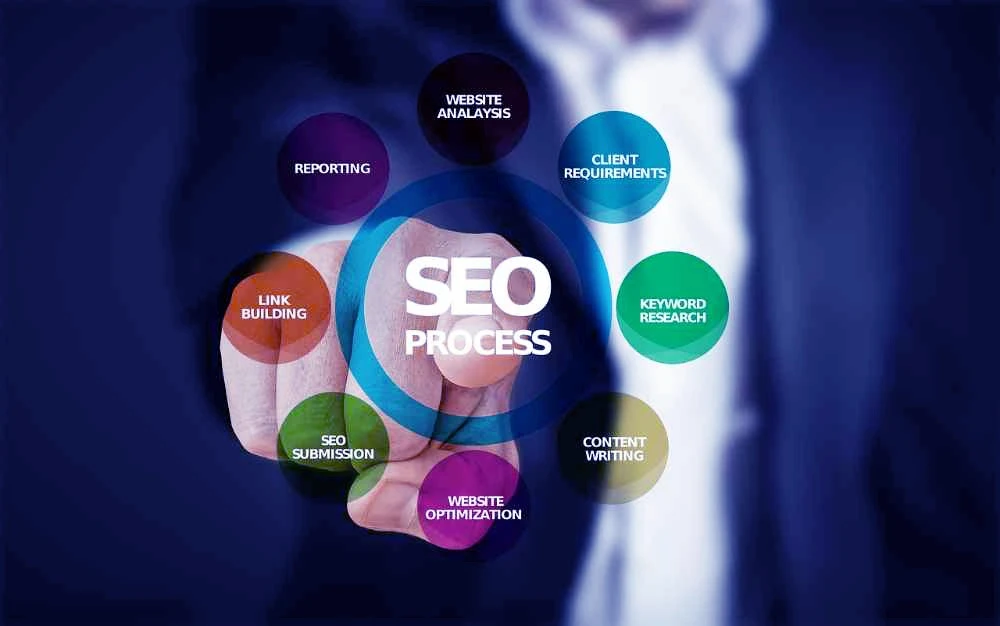
Introduction:
In the fast-evolving world of digital marketing, Search Engine Optimization (SEO) plays a central role in building an effective online presence. SEO in digital marketing is not just about ranking high on search engines—it’s about delivering value to users, improving visibility, and driving long-term business growth. Understanding and implementing SEO effectively can give businesses a competitive edge in the crowded digital landscape.
What is SEO?
Search Engine Optimization (SEO) is the process of optimizing a website and its content to improve its visibility on search engine results pages (SERPs). The primary goal of SEO is to increase organic (non-paid) traffic by ensuring that a site ranks higher for relevant search queries. This is achieved through a combination of on-page strategies (like keywords, content quality, and meta tags), off-page efforts (like backlinks), and technical improvements (such as site speed and mobile-friendliness).

Why SEO Matters in Digital Marketing
SEO is one of the most cost-effective digital marketing strategies because it targets users who are actively searching for products or services online. Unlike paid advertising, which stops producing results once the budget runs out, good SEO continues to bring in traffic over time. Here are some key reasons why SEO is crucial in digital marketing:
- Increased Visibility: SEO helps your website appear in front of potential customers who are already interested in what you offer.
- Better User Experience: SEO practices like fast loading speeds, mobile optimization, and clear navigation improve the user experience.
- Brand Credibility: High-ranking websites are often seen as more credible and trustworthy by users.
- Higher ROI: SEO delivers long-term benefits, making it a more sustainable investment compared to many paid channels.
- Competitive Advantage: Businesses that invest in SEO are more likely to outperform competitors who ignore it.
Core Elements of SEO
To effectively use SEO in digital marketing, it's essential to understand its main components:
1. On-Page SEO
On-page SEO refers to the optimization of content and HTML source code on a website. Key elements include:
- Keyword Research: Finding relevant and high-traffic keywords that your audience is searching for.
- Content Quality: Creating valuable, original, and engaging content that answers user intent.
- Meta Tags: Writing compelling meta titles and descriptions to improve click-through rates.
- Internal Linking: Connecting related content within your website to guide users and help search engines understand your structure.
2. Off-Page SEO
Off-page SEO focuses on building a website’s authority and reputation through external factors. The most important is:
- Backlinks: Links from other reputable websites that act as votes of confidence for your content.
- Social Signals: Shares and engagement on social media platforms can indirectly influence search visibility.
- Brand Mentions: Even unlinked brand mentions can contribute to your site’s authority.
3. Technical SEO
Technical SEO ensures that your website is accessible and easily crawlable by search engines. It involves:
- Site Speed: Faster sites improve user experience and are favored by search engines.
- Mobile Optimization: Ensuring your site is responsive and works well on all devices.
- Secure Sockets Layer (SSL): A secure website (HTTPS) is a trust signal and ranking factor.
- XML Sitemaps & Robots.txt: Helping search engines index your pages properly.
SEO Trends in 2025 and Beyond
SEO is not static—it evolves with changes in user behavior and search engine algorithms. Here are some current and emerging trends:
- Voice Search Optimization: With more users using voice assistants, optimizing for conversational keywords is essential.
- AI and Machine Learning: Search engines like Google use AI (e.g., RankBrain) to better understand user intent.
- E-E-A-T Principles: Emphasizing Experience, Expertise, Authoritativeness, and Trustworthiness in content creation.
- Video SEO: Video content is increasingly important; optimizing titles, descriptions, and transcripts helps improve rankings.
Integrating SEO with Other Digital Strategies
SEO works best when integrated with other digital marketing efforts:
- Content Marketing: SEO and content go hand in hand; great content improves SEO, and SEO ensures it gets found.
- Social Media Marketing: Sharing SEO-optimized content on social platforms drives traffic and can generate backlinks.
- Email Marketing: Sharing blog posts or landing pages through email can boost site traffic and engagement.
Conclusion
SEO in digital marketing is the foundation of a successful digital marketing strategy. It ensures your content reaches the right audience, builds brand authority, and drives sustainable growth over time. As search engines continue to refine their algorithms and user expectations evolve, staying updated with SEO best practices is critical. By investing in SEO, businesses can improve their online visibility, outshine competitors, and achieve long-term digital success.