A pair of jeans might be perfectly comfortable for a weekend stroll, but anyone who spends serious time outdoors knows that hiking places very different demands on clothing.
Paths can be muddy, weather can change within an hour, and even a moderate hill can involve far more movement than expected. Good trousers need to bend, stretch, dry quickly and cope with rough conditions without becoming uncomfortable.
That is where Men's Hiking Trousers come into their own.
The best pair doesn't necessarily look dramatically different from ordinary casual trousers. The difference becomes apparent when you're climbing over a stile, walking through wet grass or spending several hours on a hillside. Good outdoor trousers tend to disappear into the background because they allow you to concentrate on the walk rather than what you're wearing.
Why Hiking Trousers Are Different from Everyday Trousers
Everyday trousers are generally designed around appearance and ordinary movement. Hiking trousers have a more demanding job.
They may need to cope with:
- Long periods of walking
- Repeated bending and stretching
- Mud and wet grass
- Wind and changing temperatures
- Scratches from vegetation
- Carrying small essentials
- Abrasion from backpacks
This is why outdoor trousers often use technical fabrics or fabric blends that combine durability with stretch.
The ideal material depends on the conditions. A lightweight pair may be excellent for a summer walk, while a more substantial fabric makes greater sense during colder months or on exposed trails.
There is no need for every pair to be highly technical. The useful question is whether the trousers match the type of walking you actually do.
Men's Hiking Trousers: What Features Actually Matter?
When comparing Men's Hiking Trousers, the specification list can become surprisingly long. Some features are genuinely useful; others may have little relevance to your routine.
Stretch is one of the most valuable.
Flexible fabric around the knees, hips and seat makes climbing, scrambling and walking uphill considerably easier. It also helps when stepping over gates or sitting down during a break.
Breathability is another important consideration. Walking generates heat, even in relatively cool weather, so fabric that allows moisture to escape can improve comfort.
Fast-drying materials can also be useful after rain or when washing clothing during longer trips.
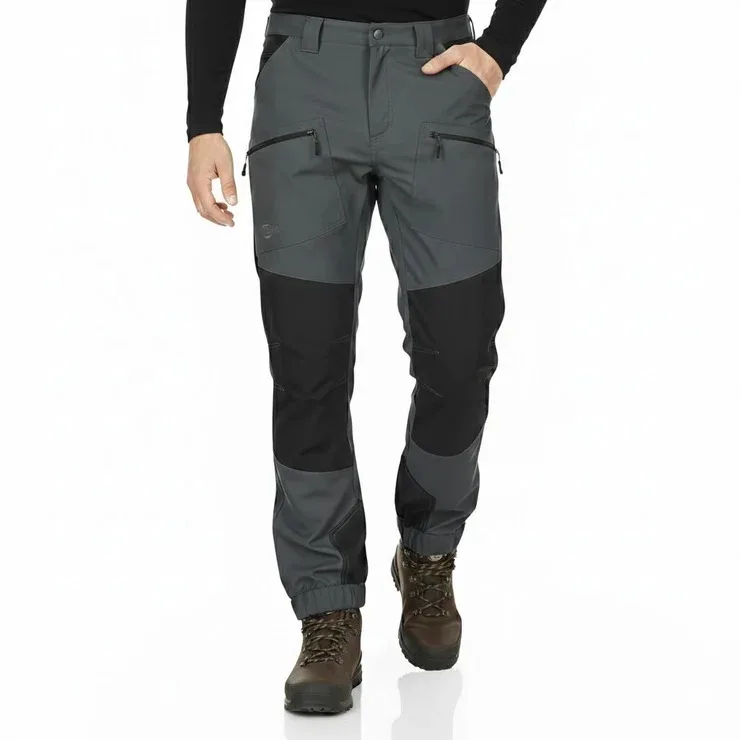
Reinforced panels are worth considering if you regularly walk through rough terrain. They can help protect high-wear areas from abrasion.
The waistband matters too. It should remain comfortable when you're carrying a rucksack and shouldn't dig in when bending or sitting.
Choosing the Right Fabric for British Weather
British walking conditions are rarely predictable.
A clear morning can turn into drizzle, strong wind or heavy rain before lunchtime. Rather than searching for one pair of trousers that does everything, it often makes sense to choose according to the season and route.
Lightweight woven trousers are useful for warmer weather. They allow greater airflow and tend to dry quickly.
Mid-weight walking trousers offer a good compromise for spring and autumn, providing additional protection without becoming too bulky.
During winter or particularly wet conditions, a water-resistant outer layer can be valuable. For prolonged rain, dedicated waterproof over-trousers may be more appropriate than relying on water-resistant walking trousers alone.
This distinction is worth remembering. Water-resistant and waterproof aren't interchangeable terms.
Fit, Movement and Comfort on the Trail
Fit can make or break hiking clothing.
Walking trousers should provide enough room for natural movement without being so loose that fabric catches on vegetation or equipment.
Check the knees carefully. When standing, the trousers may appear perfectly fitted, but the real test comes when you squat or climb.
The seat should allow comfortable movement without pulling across the hips, while the waistband should stay secure without becoming restrictive.
It is worth trying hiking trousers with the base layers you normally wear underneath. A thicker winter layer can alter the fit considerably.
If the trousers feel restrictive in a changing room, they are unlikely to become more comfortable halfway through a six-hour walk.
Pockets and Practical Storage
Pockets are useful, but there can be too much of a good thing.
A few well-designed pockets can carry a phone, keys, map, snacks and other small essentials. Zipped pockets are particularly helpful for valuables.
Cargo-style storage can be useful for walkers who prefer not to carry a small day bag, but heavily loaded thigh pockets may become uncomfortable.
Think about what you actually need.
A lightweight pair with two secure pockets may be more practical than a heavily featured design covered in compartments.
Storage should support the walk rather than change the way you move.
When Waterproof Trousers Are Worth Considering
For genuinely wet conditions, waterproof over-trousers can be one of the most useful items in an outdoor wardrobe.
They are particularly valuable for exposed walks, winter routes and prolonged rainfall.
The key is layering. Waterproof trousers are often worn over a lighter base layer or walking trousers, allowing you to add weather protection when conditions demand it.
Look for features such as full-length or substantial side zips, an adjustable waist and enough room to pull them over your existing clothing.
They need to be practical to put on outdoors. A waterproof layer that requires you to remove your boots before wearing it may become frustrating very quickly.
Choosing Footwear to Match Your Walking Trousers
Clothing and footwear need to work together.
For easy paths and dry conditions, lightweight walking shoes may be enough. On muddy, rocky or uneven terrain, more supportive hiking boots can provide greater stability and protection.
When comparing men's waterproof hiking shoes UK walkers can find, pay attention to more than the word "waterproof". Check the sole, tread, cushioning, fit and intended terrain.
A shoe that is excellent on wet pavements isn't necessarily suitable for a steep muddy path.
The same principle applies to trousers. The best combination is one designed around the actual conditions you're likely to encounter.
Looking After Hiking Trousers
Outdoor clothing gets dirty. That's part of the point.
Mud and grit should be removed rather than left to work their way into the fabric. Always follow the care instructions, particularly if your trousers have water-resistant coatings or technical stretch fibres.
Avoid excessive heat when drying specialist fabrics. High temperatures can affect elasticity or protective finishes.
Before storing trousers for the season, make sure they are clean and completely dry.
It is also worth inspecting seams, hems and pocket stitching after frequent use. Small repairs are much easier to deal with before they become significant tears.
After the Walk: Choosing Comfortable Casual Footwear
The needs of your feet change once the walking day is over.
After several hours in structured hiking shoes or boots, something softer can be a welcome change. That's where casual footwear comes in.
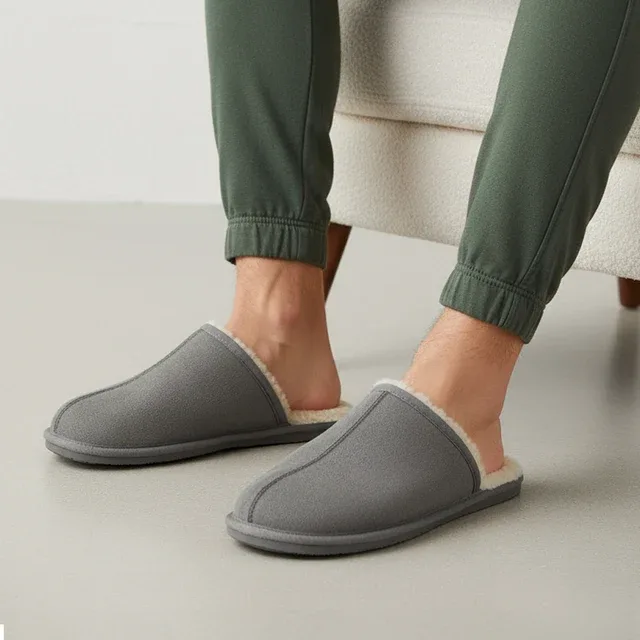
For someone travelling or staying in a holiday cottage, a Black male slippers sale can be a practical opportunity to pick up comfortable indoor footwear without spending heavily.
The important distinction is purpose. Slippers can be excellent for relaxing after a walk, but they aren't designed for muddy paths, uneven ground or demanding outdoor use.
Different jobs call for different footwear.
Common Buying Mistakes
One of the most common mistakes is buying based on appearance alone.
Outdoor trousers have become increasingly stylish, but appearance shouldn't come before comfort and function.
Another mistake is choosing trousers that are too heavy for the intended conditions. Weight becomes noticeable over a full day, particularly if you're already carrying a backpack.
Some buyers also assume that every hiking trouser should be waterproof. Full waterproofing can reduce breathability, so it isn't always the most comfortable choice for dry conditions.
Finally, don't ignore the fit simply because the fabric is stretchy. Stretch provides freedom of movement, but a poorly cut garment will still feel wrong.
The best Men's Hiking Trousers are those that allow you to move naturally while protecting you from the conditions you're actually likely to encounter. The same principle applies when choosing Walking Trousers For Men: start with the terrain, season and length of your typical walks rather than buying based on technical features alone.
Look for useful stretch, sensible storage, appropriate breathability and a fit that remains comfortable when climbing, bending and walking for several hours. Pair them with suitable footwear, including reliable waterproof options when the weather demands it.
After the trail, a comfortable pair of slippers can provide a simple change of pace.
Good outdoor clothing doesn't need to be complicated. It just needs to work when you need it.
Frequently Asked Questions
What are the best fabrics for Men's Hiking Trousers?
There is no single best fabric. Stretch woven materials are popular because they combine durability, movement and breathability. Lightweight fabrics work well in warmer conditions, while heavier options provide additional protection in colder weather.
Should Walking Trousers For Men be waterproof?
Not necessarily. Water-resistant trousers can be sufficient for light showers, while dedicated waterproof over-trousers are generally more appropriate for prolonged rain.
What should I look for in men's waterproof hiking shoes UK?
Consider waterproof construction alongside grip, cushioning, sole stability, fit and the terrain you intend to walk on. Waterproofing alone does not determine whether a shoe is suitable for hiking.
Are cargo-style hiking trousers useful?
They can be, particularly when you need quick access to small essentials. However, heavily loaded pockets can become cumbersome, so choose storage according to what you actually carry.
Should hiking trousers be loose?
They should allow free movement without being excessively loose. A comfortable fit around the waist, hips and knees is more useful than simply choosing a larger size.
Are slippers suitable after hiking?
Yes. Comfortable slippers can be ideal for relaxing at home or at accommodation after a long walk. They should not, however, be used as substitutes for proper outdoor footwear.