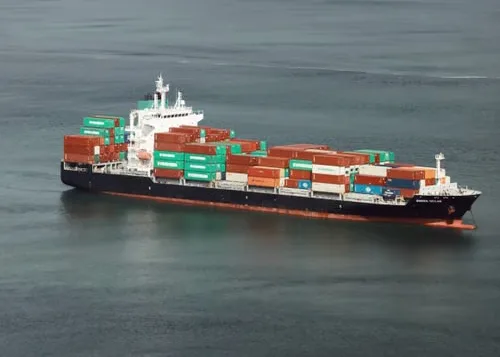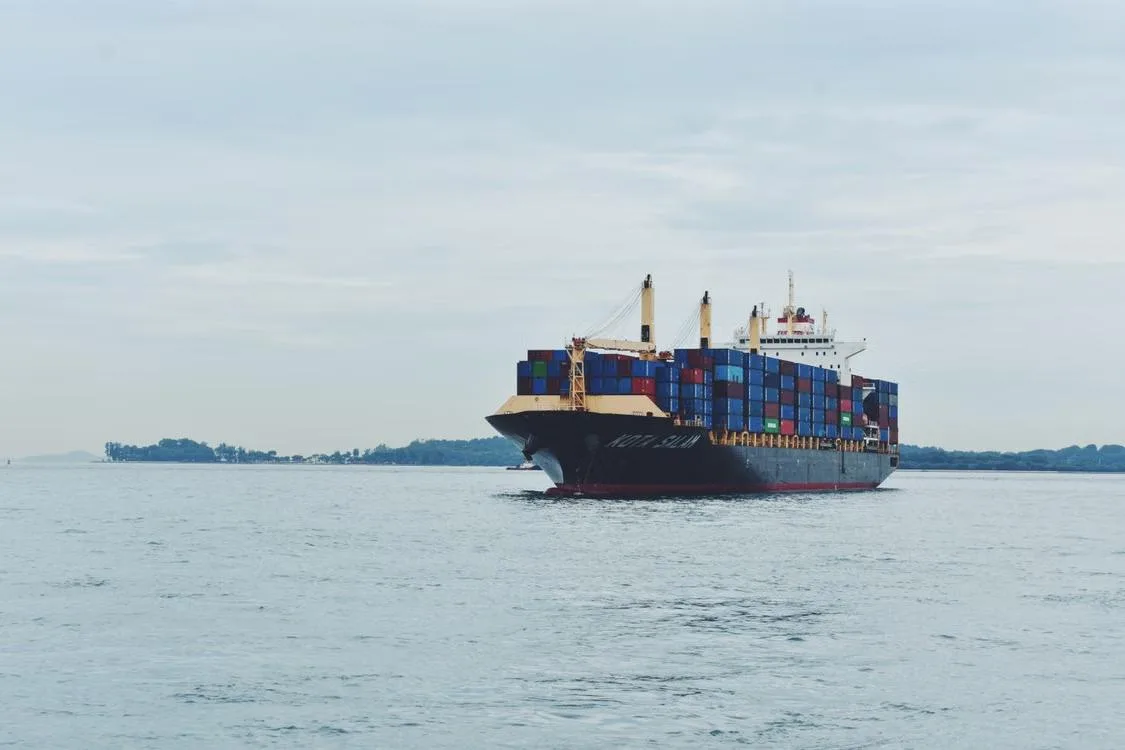
Ocean freight remains an important option for transporting household belongings internationally, particularly for larger relocations. However, commercial shipping conditions in 2026 continue to fluctuate due to geopolitical disruptions, fuel costs, vessel availability, and port congestion. These developments influence the wider freight market and can affect the environment in which international household shipments are arranged.
Geopolitical Disruptions and Changing Shipping Routes
Security concerns around important maritime corridors have prompted shipping operators to adjust routes and schedules. Diversions can increase sailing distances, fuel consumption, and vessel operating costs. Even when a particular household shipment does not travel through an affected region, wider network disruptions can influence vessel availability and connections elsewhere.
DHL Global Forwarding’s October 2026 market update identifies Middle East disruptions, Red Sea restrictions, and energy market volatility as continuing sources of uncertainty. It also reports that effective capacity remains constrained by congestion and alternative routing arrangements.
Vessel Capacity and Port Congestion
Available container capacity does not always translate into reliable shipping schedules. Vessels may arrive late, ports can experience congestion, and carriers may adjust sailing schedules to manage demand and operational constraints.
A 30 October 2026 industry update published by CLECAT, drawing on Drewry’s market data, reported that average container freight rates remained elevated in October, while schedule reliability stood at approximately 40% in September. These figures illustrate why commercial freight conditions cannot be assessed through capacity alone.
Why Household Moving Quotes Are Different
Commercial container freight rates are not the same as the price an individual pays to move overseas. Standard freight spot rates generally relate to transporting commercial cargo between ports. Household moving quotes account for additional services and shipment-specific requirements.
An international moving company may calculate its quote using shipment volume, collection location, destination, packing, customs assistance, insurance, storage, and final delivery. The choice between shared-container and dedicated-container shipping also affects the overall cost.
For this reason, international sea shipping companies may be influenced by broader freight market conditions without applying commercial spot rates directly to every household shipment. Customers comparing overseas container shipping options should review the services and charges included in each estimate.
Planning Your International Move
Request an international moving quote early and ask how long the pricing remains valid. Allow flexibility in your schedule and confirm whether port-related charges, destination handling, and delivery services are included.
International Sea & Air Shipping helps customers arrange household shipments through ocean freight, packing, customs assistance, and delivery services. Those planning an overseas relocation can contact the company for a personalized quote based on their shipment and destination.