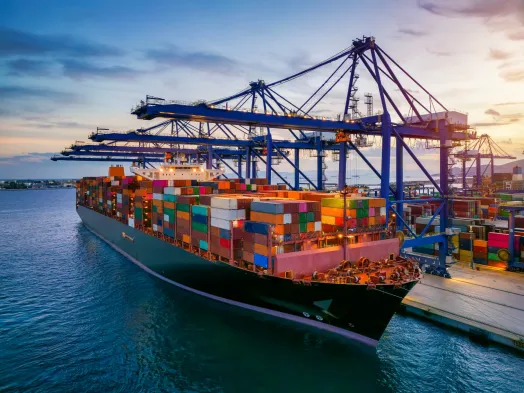
In times of geopolitical tension or conflict, global shipping routes can become unpredictable. Port closures, delays, and route diversions often create confusion for individuals and businesses trying to move goods safely.
Whether you need to transport household items, vehicles, or commercial cargo, understanding how shipping works during a crisis can help you make informed and secure decisions.
How War or Conflict Impacts Shipping
During conflict situations, the shipping industry faces several challenges:
- Port restrictions or temporary closures
- Route diversions to avoid high-risk zones
- Increased transit times
- Higher insurance and freight costs
- Customs delays due to stricter inspections
These factors make it essential to work with experienced logistics providers who understand alternative routing and risk management.
Safe Shipping Options During Uncertain Times
Even during disruptions, shipping continues through adjusted routes and strategies. Some of the most reliable options include:
1. Alternative Shipping Routes
When major ports or waterways are affected, cargo is redirected through safer ports and corridors. This ensures continuity, even if transit times increase slightly.
2. Door-to-Door Cargo Services
Door-to-door shipping minimizes handling points, reducing the risk of delays or damage. It’s especially useful for personal belongings and urgent shipments.
3. Secure Vehicle Shipping
Car shipping remains possible through containerized transport or roll-on/roll-off (RoRo) services, depending on route availability.
Tips for Shipping Safely During War or Crisis
To ensure your shipment is secure and arrives with minimal disruption, follow these best practices:
- Plan early: Avoid last-minute bookings during high-demand periods
- Choose insured shipping: Always opt for cargo insurance
- Confirm alternative routes: Ask about backup plans if routes change
- Use professional packing: Proper packing reduces damage risk
- Track your shipment: Stay updated on transit progress
Common Shipping Routes That Remain Active
Even during regional conflicts, many shipping routes remain operational through strategic adjustments. These may include:
- GCC country-to-country cargo movement
- International car shipping via secondary ports
- Air freight for urgent shipments
- Consolidated cargo services for cost efficiency
Why Experience Matters in Crisis Shipping
Handling logistics during uncertain times requires expertise in:
- Route planning and risk avoidance
- Customs clearance under strict regulations
- Real-time shipment tracking
- Secure packaging and handling
A company with experience in crisis logistics can help ensure smooth coordination and timely delivery despite challenges.
Frequently Asked Questions
Is shipping safe during war?
Yes, shipping continues through safer routes and adjusted logistics planning, although delays may occur.
Will my cargo be delayed?
Delays are possible depending on the region and route, but proper planning can minimize disruptions.
Can I ship a car internationally during conflict?
Yes, car shipping is still available using secure methods like container shipping or RoRo, depending on route conditions.
What is the safest shipping method?
Container shipping is generally considered one of the safest options for both personal and commercial goods.
Final Thoughts
Shipping during a crisis may seem challenging, but with the right approach and planning, it is still highly manageable. The key is to stay informed, choose reliable logistics solutions, and remain flexible with routes and timelines.