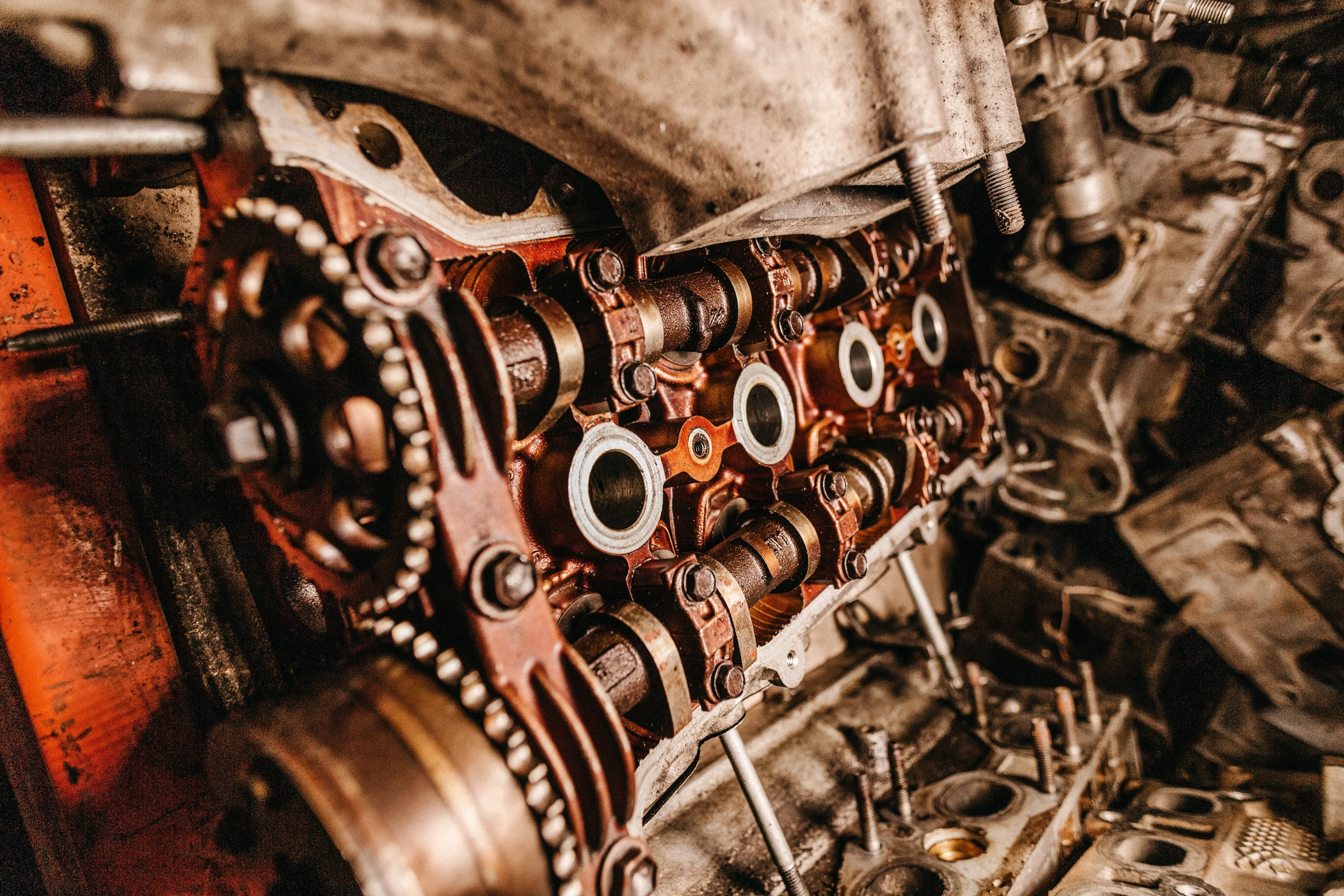
The Pontiac 400 engine remains one of the most respected V8 powerplants ever produced. Known for its impressive torque, reliability, and muscle car heritage, this engine powered some of Pontiac’s most iconic vehicles. However, like any engine that has been running for decades, wear and tear are inevitable. Over time, internal components begin to deteriorate, leading to performance issues that can affect drivability and reliability.
Recognizing the warning signs early can help prevent major engine damage and save significant restoration costs. In many cases, investing in a Pontiac 400 engine rebuild kit can restore your engine's performance and extend its lifespan for years to come.
In this guide, we'll explore the most common signs that indicate your Pontiac 400 engine may need rebuilding and how the right parts can help bring your classic muscle car back to life.
Understanding the Importance of a Pontiac 400 Engine Rebuild
A rebuild involves replacing worn internal engine components such as pistons, rings, bearings, gaskets, timing components, and seals. A quality pontiac 400 engine rebuild kit provides many of the essential components required to restore engine performance and reliability.
Unlike a complete engine replacement, rebuilding allows enthusiasts to preserve the originality of their classic Pontiac while improving functionality and dependability.
Whether you own a GTO, Firebird, Grand Prix, Catalina, or Bonneville, rebuilding your engine can significantly enhance performance and value.
1. Excessive Blue Exhaust Smoke
One of the clearest signs that your Pontiac 400 engine requires attention is excessive blue smoke coming from the exhaust.
Blue smoke typically indicates that oil is entering the combustion chamber and burning alongside fuel. This often occurs due to:
- Worn piston rings
- Damaged valve seals
- Cylinder wall wear
- Excessive engine wear
As internal components age, oil control becomes less effective, resulting in increased oil consumption and visible smoke.
If blue smoke appears consistently during acceleration or startup, it may be time to consider a pontiac 400 engine rebuild kit to replace critical worn components.
2. Significant Loss of Engine Power
The Pontiac 400 was designed to deliver strong acceleration and impressive torque. If your vehicle feels sluggish compared to its original performance, internal engine wear could be the cause.
Common symptoms include:
- Slow acceleration
- Reduced towing power
- Difficulty climbing hills
- Poor throttle response
As piston rings, cylinders, bearings, and valves wear over time, compression decreases, reducing overall engine efficiency.
A comprehensive rebuild using quality pontiac Auto/car Parts can restore the engine's original power characteristics and driving experience.
3. Low Compression Readings
Compression is critical for efficient combustion and engine performance.
When compression readings are consistently low across multiple cylinders, it often indicates:
- Worn piston rings
- Damaged pistons
- Valve leakage
- Cylinder wear
A compression test is one of the most effective ways to evaluate engine health.
If readings fall below manufacturer specifications, installing a pontiac 400 engine rebuild kit may be necessary to restore proper sealing and combustion efficiency.
4. Increased Oil Consumption
Classic Pontiac engines naturally consume some oil over time, but excessive oil consumption should never be ignored.
Warning signs include:
- Frequent oil top-offs
- Oil smell from exhaust
- Visible smoke
- Oil fouled spark plugs
Excessive oil consumption often results from worn rings and valve train components.
Using high-quality pontiac Auto/car Parts during a rebuild can address these issues and significantly reduce oil usage.
5. Knocking or Ticking Engine Noises
Unusual engine noises are often indicators of serious internal wear.
Common sounds include:
Rod Knock
A deep knocking sound often points to worn connecting rod bearings.
Main Bearing Noise
A lower engine rumble can indicate worn crankshaft bearings.
Valve Train Ticking
Persistent ticking may suggest worn lifters, rocker arms, or valve components.
Ignoring these noises can lead to catastrophic engine failure. In many cases, a pontiac 400 engine rebuild kit provides the bearings, gaskets, and components needed to correct these issues before further damage occurs.
6. Excessive Blow-By
Blow-by occurs when combustion gases escape past the piston rings and enter the crankcase.
Symptoms include:
- Oil leaks
- Excess crankcase pressure
- Smoke from valve cover breathers
- Oil contamination
Excessive blow-by indicates worn piston rings and cylinder walls.
During a rebuild, replacing these worn components with quality pontiac Auto/car Parts can restore proper sealing and engine efficiency.
7. Poor Fuel Economy
Although classic muscle cars were never known for exceptional fuel efficiency, a noticeable decline in mileage can signal internal engine problems.
Potential causes include:
- Low compression
- Poor combustion
- Worn piston rings
- Valve leakage
When combustion efficiency decreases, fuel consumption increases.
A properly rebuilt engine using a complete pontiac 400 engine rebuild kit can improve fuel economy while maintaining strong performance.
8. Oil Pressure Problems
Healthy oil pressure is essential for protecting internal engine components.
Signs of oil pressure issues include:
- Low oil pressure gauge readings
- Warning lights
- Engine knocking
- Bearing noise
Worn bearings and oil pump components often contribute to pressure loss.
Many rebuild projects include replacing these critical parts using premium pontiac Auto/car Parts, ensuring reliable lubrication throughout the engine.
9. Engine Overheating
Frequent overheating can accelerate engine wear and cause severe internal damage.
Potential causes include:
- Worn cooling passages
- Head gasket failure
- Internal friction from worn components
- Cylinder head issues
If overheating becomes a recurring problem, inspecting the engine's internal condition is highly recommended.
A rebuild can help eliminate underlying issues and restore cooling system efficiency.
10. Metal Shavings in Engine Oil
Finding metal particles during an oil change is a major warning sign.
Metal debris may originate from:
- Bearings
- Pistons
- Cylinder walls
- Crankshaft components
These particles indicate active internal wear.
At this stage, continuing to operate the engine can cause extensive damage. A pontiac 400 engine rebuild kit can provide the components needed to restore proper internal clearances and prevent further deterioration.
Components Typically Included in a Pontiac 400 Engine Rebuild Kit
While kits vary by manufacturer, many include:
- Pistons
- Piston rings
- Rod bearings
- Main bearings
- Cam bearings
- Timing chain set
- Gaskets
- Oil pump
- Freeze plugs
- Seals
Choosing a high-quality rebuild kit ensures compatibility and long-term reliability.
Many enthusiasts source their components from trusted suppliers specializing in pontiac Auto/car Parts to ensure authenticity and proper fitment.
Benefits of Rebuilding Instead of Replacing
Many classic car owners wonder whether they should rebuild or replace their engine.
Rebuilding offers several advantages:
Maintains Originality
Matching-numbers engines significantly increase collector value.
Cost Effective
Rebuilding is often more affordable than sourcing a replacement engine.
Improved Reliability
Replacing worn components restores confidence and drivability.
Better Performance
A properly rebuilt Pontiac 400 can perform as well—or even better—than it did when new.
Using a quality pontiac 400 engine rebuild kit helps ensure all critical wear items are replaced during the restoration process.
Choosing the Right Parts Supplier
The success of any engine rebuild depends heavily on the quality of the parts used.
Look for suppliers that offer:
- OEM-quality components
- Comprehensive rebuild kits
- Expert technical support
- Classic Pontiac specialization
- Reliable inventory
Enthusiasts often trust Bop Parts - pontiac Auto/car Parts Dealer Online for quality restoration and performance components designed specifically for classic Pontiac vehicles.
Working with a dedicated Pontiac parts supplier helps ensure accuracy and compatibility throughout the rebuild process.
Preventive Maintenance After a Rebuild
Once your Pontiac 400 engine has been rebuilt, proper maintenance is essential.
Recommended practices include:
Regular Oil Changes
Use quality oil and follow proper service intervals.
Monitor Engine Temperature
Prevent overheating and maintain cooling system health.
Check Ignition Timing
Proper timing improves performance and longevity.
Use Quality Fuel
High-quality fuel helps reduce deposits and improve combustion.
Inspect for Leaks
Address small issues before they become major repairs.
These maintenance habits help maximize the life of your rebuilt engine and protect your investment.
Common Vehicles Equipped with Pontiac 400 Engines
The Pontiac 400 powered numerous legendary models, including:
- Pontiac GTO
- Pontiac Firebird
- Pontiac Trans Am
- Pontiac Grand Prix
- Pontiac Catalina
- Pontiac Bonneville
- Pontiac LeMans
Owners of these vehicles often seek specialized pontiac Auto/car Parts to preserve authenticity and maintain peak performance.
Conclusion
The Pontiac 400 engine is a legendary piece of American muscle car history, but even the strongest engines eventually show signs of wear. Excessive smoke, low compression, oil consumption, knocking sounds, overheating, and declining performance are all indicators that rebuilding may be necessary.
Addressing these warning signs early can prevent costly engine failure and preserve the value of your classic Pontiac. Investing in a high-quality pontiac 400 engine rebuild kit allows enthusiasts to restore power, reliability, and longevity while maintaining originality.
For owners searching for dependable restoration components, Bop Parts - pontiac Auto/car Parts Dealer Online offers a trusted source for premium Pontiac engine and restoration parts. With the right rebuild kit and quality components, your Pontiac 400 can continue delivering the performance and excitement that made it a muscle car legend for generations.