Introduction
Athletic performance has always been shaped by innovation. From advances in footwear and training methods to breakthroughs in nutrition and recovery science, athletes constantly seek tools that help them perform at higher levels. Today, a new wave of smart equipment is transforming the sports world. These technologies go beyond traditional gear by collecting, analyzing, and applying real-time data to improve performance, reduce injury risk, and enhance training efficiency.
Whether it's wearable sensors, connected fitness machines, or AI-powered coaching systems, smart equipment is changing how athletes train and compete. As technology becomes more sophisticated and accessible, the next generation of athletic performance will rely heavily on tools that provide deeper insights into movement, endurance, strength, and recovery.
Smarter Training Through Real-Time Data
One of the biggest advantages of smart equipment is its ability to provide immediate feedback. In the past, athletes often had to wait until after a training session to review performance metrics. Today, connected devices can deliver valuable information instantly.
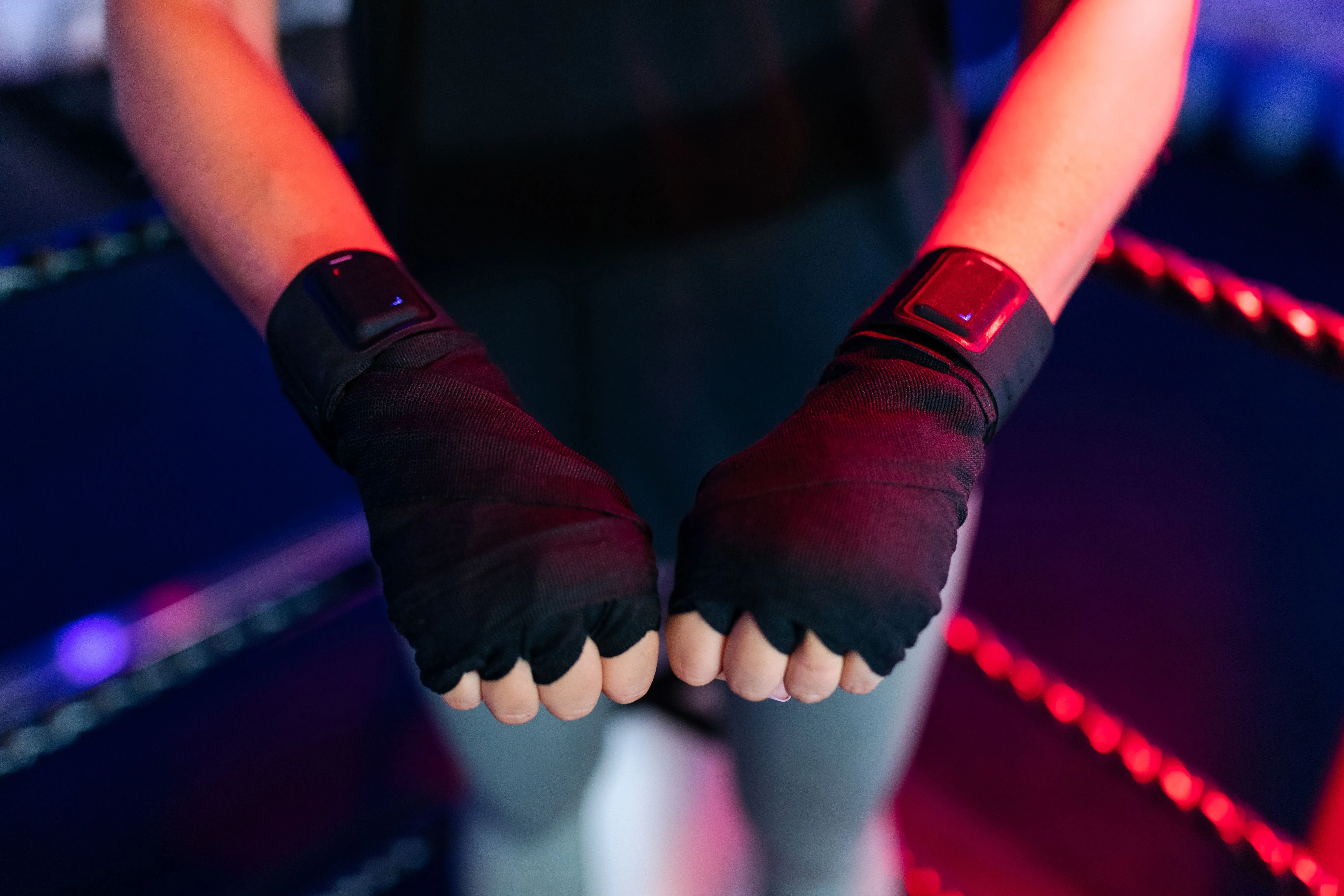
Wearable technology such as smart watches, heart rate monitors, and GPS trackers allows athletes to monitor important performance indicators while they are training. Metrics such as speed, distance, heart rate variability, and calorie expenditure can be tracked continuously. This information helps athletes make informed decisions about pacing, intensity, and recovery during workouts.
Real-time data also allows coaches to identify patterns that may not be visible to the naked eye. Small adjustments in workload or technique can be made immediately, helping athletes improve performance more efficiently while minimizing the risk of overtraining.
Advanced Movement Analysis Enhances Performance
Modern smart equipment is capable of analyzing movement with remarkable accuracy. Motion sensors, pressure-sensitive insoles, and smart cameras can evaluate biomechanics in ways that were once only available in specialized sports science laboratories.
Athletes in sports such as running, golf, baseball, and tennis can use these technologies to identify inefficiencies in their movements. Even minor corrections in posture, stride length, or body positioning can lead to measurable performance improvements over time.
Many organizations are also integrating artificial intelligence into performance analysis platforms. AI systems can review thousands of movement patterns and provide personalized recommendations tailored to the athlete's unique strengths and weaknesses. In some training environments, an active movement coach may use these insights alongside professional expertise to help athletes develop more efficient and sustainable movement habits.
As these technologies continue to evolve, athletes will gain access to increasingly personalized performance strategies that support long-term development.
Recovery Technology Becomes a Competitive Advantage
Training hard is only part of the equation. Recovery plays an equally important role in athletic success. Smart recovery equipment is becoming a major focus for elite and recreational athletes alike.
Devices that monitor sleep quality, stress levels, and recovery readiness can help athletes understand how their bodies are responding to physical demands. Instead of following a one-size-fits-all training schedule, athletes can adjust their workouts based on recovery data collected through smart technologies.
Compression systems, smart massage devices, and recovery-focused wearables are also becoming more common. These tools can provide valuable feedback about muscle fatigue and recovery progress. By tracking trends over time, athletes can make better decisions regarding rest days, training loads, and competition preparation.
This shift toward data-driven recovery allows athletes to maintain consistent performance while reducing the likelihood of burnout and injury.
Connected Equipment Creates Personalized Experiences
Another exciting development is the rise of connected equipment that adapts to individual users. Smart strength-training machines, interactive cycling systems, and connected exercise platforms can automatically adjust resistance, track progress, and deliver customized guidance.
Unlike traditional equipment, these systems learn from user behavior. Over time, they can create increasingly effective workout recommendations based on performance history and personal goals. This level of customization helps athletes stay engaged while maximizing training efficiency.
The integration of cloud-based platforms also allows coaches and athletes to collaborate more effectively. Training data can be reviewed from virtually anywhere, making it easier to monitor progress and make adjustments when necessary. Athletes no longer need to rely solely on occasional evaluations, as performance information is continuously available.
The result is a more dynamic and individualized approach to athletic development that supports athletes at every stage of their journey.
The Future of Smart Equipment and Sports Performance
The next generation of athletic performance will likely be driven by even greater integration between technology and human training. Emerging innovations such as augmented reality, advanced artificial intelligence, and predictive analytics are already beginning to influence sports performance strategies.
Future smart equipment may be capable of identifying injury risks before symptoms appear, recommending personalized nutrition adjustments, and creating highly customized training plans based on real-time physiological data. Athletes could receive immediate corrections during practice sessions through visual or audio feedback systems that guide performance improvements as they happen.
As technology becomes more affordable, these capabilities will extend beyond professional sports. Youth athletes, amateur competitors, and fitness enthusiasts will all gain access to tools that were once reserved for elite training programs. This democratization of performance technology will help raise standards across all levels of sport.
Conclusion
Smart equipment is reshaping the world of athletics by providing deeper insights, greater personalization, and more effective training solutions. From real-time performance monitoring to advanced movement analysis and recovery tracking, modern technology is helping athletes unlock their full potential. As innovation continues to accelerate, the relationship between sports and technology will become even stronger. Athletes who embrace these advancements will be better positioned to train smarter, recover more effectively, and achieve new levels of performance in the years ahead.