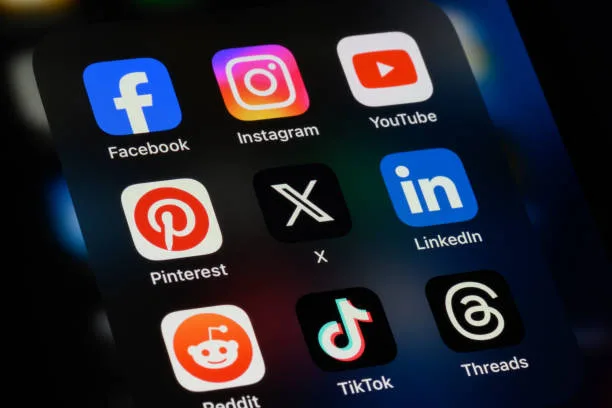
Learn how social media marketing works, compare platforms, plan campaigns, understand costs, and use graphic designing to build your brand.
A strong online presence can help a business reach new customers and build lasting relationships. Yet simply creating a Facebook or Instagram account is not enough. You need useful content, a clear plan, regular activity, and a way to measure results. This is where social media marketing becomes important for small businesses, online stores, and established brands. Companies such as Rank Fam help businesses plan content, manage social accounts, and connect their online activity with wider business goals. Whether you run a shop in Gujranwala or serve customers in the UK, the basic aim remains the same: reach the right people with the right message. But which platforms should you use? How much should you spend? And what kind of content will make people respond? Let's look at the main steps.
Why businesses need a clear social media strategy
People use Social media platforms to follow brands, ask questions, compare products, and read customer feedback. A business can use these daily habits to build awareness and start conversations with potential buyers.
DataReportal's Digital 2025 report estimated 5.24 billion active social media user identities worldwide. The report noted that this figure may include duplicate accounts, so it does not represent 5.24 billion separate people. It still shows the scale of online activity. The same research found that half of adult social platform users visit these sites to learn about brands and their content. You can read the global social media usage research for 2025.
A business needs more than a large follower count. It needs people who may buy, book, visit, or recommend its services. A useful strategy connects content with those actions.
For example, a clothing store in Lahore could post new arrivals, short product videos, customer reviews, and seasonal deals. It could use Instagram to show products and Facebook to reach local buyers. A clear WhatsApp contact option could help turn questions into orders.
A planned approach can help you:
- Reach people who match your target audience.
- Build brand recognition through regular content.
- Answer customer questions and respond to feedback.
- Share product updates, offers, and useful advice.
- Send visitors to your website or online shop.
- Track enquiries, leads, and sales from campaigns.
What should you post first? Start with the questions customers ask most often. Helpful answers give people a reason to follow your page.
Choosing the right platforms and content formats
Each platform has its own audience and content style. You do not need to post everywhere. Choose the channels that match your customers and the type of business you run.
Facebook can suit local shops, service providers, restaurants, and community-based businesses. Pages support updates, customer reviews, events, groups, and paid adverts.
A business can share product photos, short videos, customer stories, and local offers. Facebook can be useful for reaching people in specific cities or areas through paid campaigns.
Instagram focuses strongly on visual content. It suits fashion brands, food businesses, beauty services, travel companies, and product-based shops.
Reels can show products in use. Stories can share daily updates and limited-time offers. Carousels can explain product features or answer common questions.
TikTok
TikTok is built around short videos and content discovery. It can help businesses show how products work, share quick tips, and take part in relevant trends.
A local bakery, for example, could post short clips of cake preparation, customer orders, and decorating techniques. The videos should feel natural and match the brand.
LinkedIn is useful for business-to-business companies, consultants, recruiters, and professional service providers. It supports industry updates, company news, professional articles, and lead generation.
A software company may use LinkedIn to share case studies and explain how its services solve business problems.
YouTube
YouTube suits longer videos, tutorials, product reviews, interviews, and demonstrations. Businesses can build a video library that answers customer questions over time.
The table below compares common platform choices.
| Platform | Useful content | Best suited for | Main strength |
| Posts, videos, groups | Local businesses | Community reach | |
| Reels, stories, carousels | Visual brands | Product presentation | |
| TikTok | Short videos | Consumer brands | Content discovery |
| Articles, company updates | B2B companies | Professional audience | |
| YouTube | Tutorials, reviews | Education and products | Long-form video |
Your content should match the platform. A detailed business update may work on LinkedIn, but a short demonstration may work better on Instagram or TikTok.
Graphic quality matters across all these channels. Clear layouts, readable text, suitable colours, and consistent branding help people recognise your posts. Good graphic designing supports this work, but the message still needs to be useful.
How to plan and manage a campaign
A successful campaign starts with a clear goal. Before creating posts, decide what you want people to do. Do you want more enquiries, website visits, product sales, bookings, or brand awareness?
Here is a practical process that businesses can follow.
1. Set a measurable goal
Choose one main goal for each campaign. For example, a dental clinic may want more appointment enquiries from people in its city. An online store may want more purchases from its website.
Set a target that you can measure. This gives your team a clear way to review results.
2. Understand your audience
Think about your customers' age range, location, interests, needs, and buying habits. Review the questions they ask and the problems they want to solve.
A business selling school supplies may target parents and students. A company selling office software may focus on business owners and managers.
3. Build a content calendar
A content calendar helps you plan posts before publishing them. It can include the post date, platform, topic, caption, image or video, and campaign goal.
A simple weekly plan could include product information, customer feedback, useful tips, and a short video. Keep the schedule realistic so your team can maintain it.
4. Create and publish content
Prepare captions, images, videos, and links for each planned post. Check spelling, contact details, prices, and claims before publishing.
Use a consistent tone across your pages. Your posts should sound like the same business, even when different people create them.
5. Respond to your audience
Reply to comments and messages in a clear and polite way. Give useful answers instead of sending the same sales message to everyone.
Set a response time that your team can manage. For complaints, move private account details into a secure channel rather than asking customers to post them publicly.
6. Review performance
Check reach, impressions, comments, shares, clicks, enquiries, and sales. Compare results with your original goal.
If a video gets strong views but few enquiries, review its message and call to action. If a product post gets saves and questions, consider creating more content around that product.
What does social media management cost?
Prices depend on the work included, the number of platforms, and the amount of content required. A basic package may cover a few posts and captions. A larger plan may include video editing, paid campaigns, customer replies, and monthly reports.
For businesses in Pakistan, publicly listed packages provide a useful starting point. The following figures are planning estimates, not fixed market rates or a formal industry survey.
| Service level | Common inclusions | Suitable for | |
| Freelancer | Basic posts and scheduling | New businesses | |
| Starter agency | 1–2 platforms and content | Small businesses | |
| Growth package | Multiple platforms and reports | Growing brands | |
| Full-service plan | Strategy, video, ads and management | Larger businesses |
These estimates reflect examples of published Pakistan provider pricing, and actual quotes vary by scope. Recent local package listings show different prices for post volume, video production, and customer support. <Cite refs={["turn206009search0","turn206009search4","turn206009search1"]}/>
A separate advertising budget is usually needed. The management fee pays the provider for planning and running the work. The ad budget pays the platform to show adverts to users.
Several details can change the monthly fee:
- Number of social platforms managed.
- Number of posts, stories, and videos required.
- Original photography or video shoots.
- Paid advertising setup and campaign management.
- Comment and message response hours.
- Reporting, research, and strategy meetings.
For international businesses, agency fees vary by country and provider. WebFX's survey of 620 marketing professionals found that 52% of respondents reported monthly management costs between US100andUS5,000. This broad range shows why you should compare the actual work in each quote. <Cite refs={["turn115566search4"]}/>
Before agreeing to a package, ask whether the price includes advertising spend, content revisions, video production, and account access. A written list of services can prevent confusion later.
How to select the right agency or marketing team
Choosing a provider takes more than comparing monthly prices. You need a team that understands your customers, communicates clearly, and can explain how it measures results.
Start by checking its previous work. Look for examples from businesses with similar audiences or goals. Review the quality of captions, designs, videos, and campaign reports.
Ask these questions before signing an agreement:
- Which platforms will you manage?
- How many posts and videos are included each month?
- Who creates the captions and visual content?
- Will you manage comments and customer messages?
- Does the package include paid advertising management?
- What reports will you receive, and how often?
Check account ownership too. Your business should retain access to its social pages, advertising accounts, and customer data. Set clear rules for passwords, approvals, payment, and staff access.
Companies such as Rank Fam can be considered when comparing providers for content planning and online brand support. A specialist team may bring together content creation, campaign planning, page management, and reporting. Compare those services with a general freelancer or a larger agency to see which setup matches your workload.
Mari Smith is a social media consultant and speaker who has provided Facebook and Instagram marketing training for businesses. Her professional background includes work with Facebook on small-business marketing events. Her career shows why platform knowledge and a clear focus matter when planning campaigns. <Cite refs={["turn206009search10"]}/>
Businesses in Pakistan should pay attention to online content rules too. The Prevention of Electronic Crimes Act and its 2025 amendment form part of Pakistan's legal framework for online activity. The Ministry of IT and Telecommunication has published rules covering online content and service providers. Review the Pakistan online content and platform rules and seek legal advice when a campaign raises a compliance question. Businesses targeting customers in other countries should check the advertising and privacy rules that apply there. The US FTC guidance on endorsements and reviews explains disclosure duties for influencer promotions in the United States.
Frequently asked questions
What is social media marketing used for?
Businesses use social platforms to build awareness, share information, talk with customers, and promote products or services. They can publish organic posts or pay to show adverts to selected audiences. The right approach depends on the business goal, customer habits, and available budget.
How much should a small business spend on social media advertising?
Start with an amount your business can afford to test for a few weeks. Keep the advertising budget separate from agency fees. Review the cost per enquiry, sale, or booking before raising the budget. The right amount depends on your product, audience, and campaign goal.
How often should a business post on social media?
A business should follow a schedule it can maintain. A few useful posts each week may be more effective than daily posts with little value. Test different formats and review audience response. Your calendar should leave room for customer questions, seasonal updates, and timely business news.
Do I need professional graphic design for social media?
Not every post needs a custom design, but your visuals should look clear and consistent. Use readable text, suitable images, and the same brand colours. Professional design can be useful for adverts, product launches, campaign templates, and posts that need a more polished look.
How long does it take to see results from social media campaigns?
Some paid campaigns can bring clicks or enquiries soon after launch. Building brand recognition and an active community usually takes longer. Give a campaign enough time to collect useful data, then review the results. Avoid judging performance by follower growth alone.